Call for Independent Assessment of Party Spending Plans to Curb Fiscal Farce
Former United Future leader Peter Dunne has called for an independent body to scrutinise opposition parties' spending commitments, arguing that New Zealand's existing fiscal transparency rules leave a critical gap ahead of elections.
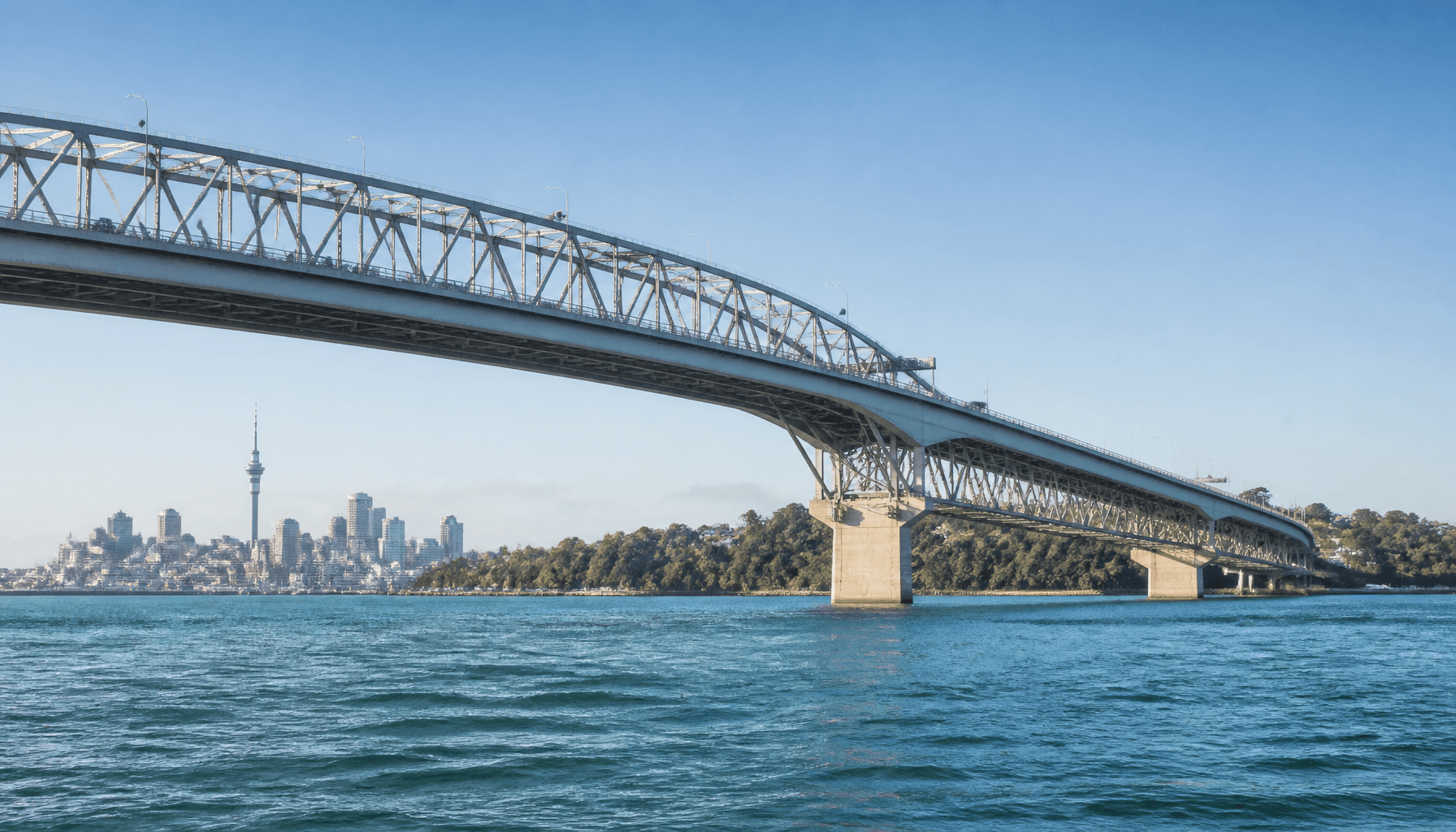
Cabinet has pulled the additional Waitematā Harbour Crossing under direct Crown control and ordered an independent detailed business case, deferring any preferred option until funding, financing and delivery are settled against a tight balance sheet.
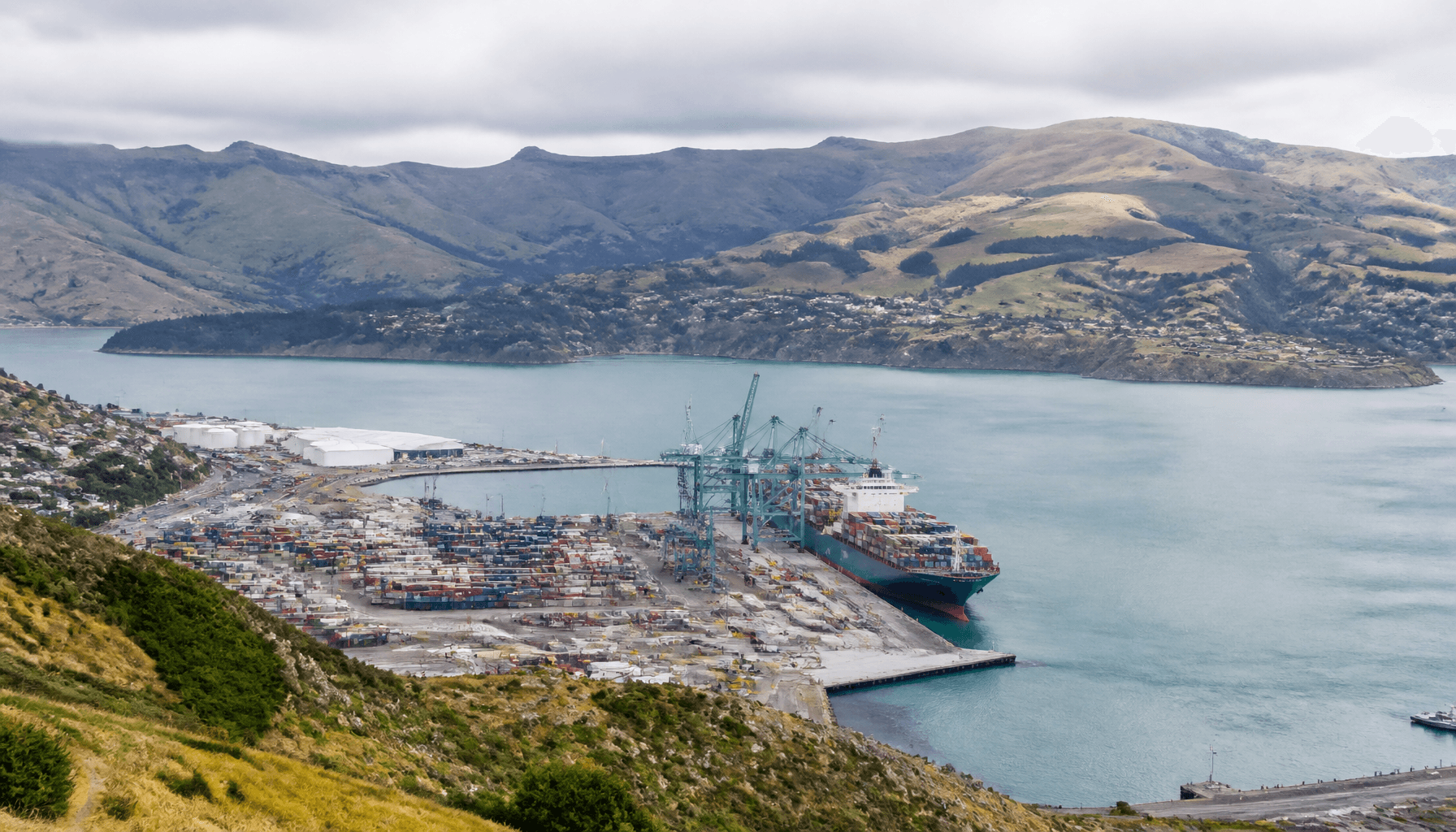
Christchurch City Holdings is committing about $300 million of public capital to an $821 million Lyttelton container expansion after rejecting a DP World–rūnanga operating lease, pairing seismic resilience with a prospective bet on dual large-ship berths and design capacity near 850,000 TEU by 2031.
New Zealand’s recovery is real in soft indicators and South Island export cash-flow, yet annual CPI at 4.1% and unemployment at 5.6% leave the RBNZ removing stimulus into spare capacity—and the pain is not evenly shared.
Former United Future leader Peter Dunne has called for an independent body to scrutinise opposition parties' spending commitments, arguing that New Zealand's existing fiscal transparency rules leave a critical gap ahead of elections.
Peter Dunne published the opinion piece on 18 June 2026. He pointed to recent exchanges over Labour's public transport fare cap policy as evidence of ongoing problems.
Labour announced in June 2026 that it would cap weekly public transport fares at $20 in Auckland, Wellington and Christchurch and $10 elsewhere from July 2027. The party said the measure would draw a small contribution from the National Land Transport Fund.
National finance spokesperson Nicola Willis claimed Labour's broader spending plans contain an $18.2 billion shortfall over four years. Labour finance spokesperson Barbara Edmonds dismissed the figure and said a fully costed plan would come later.
A Transparency Gap at the Heart of Election Campaigns
Dunne argued that governments face rigorous independent checks through Treasury documents while opposition promises do not. He referenced Sir Robert Muldoon's comment that the typical New Zealander would not recognise a Budget deficit.
New Zealand's fiscal framework stems from the Public Finance Act. It requires prudent debt management, maintenance of net worth and consideration of future generations. Treasury's Budget Economic and Fiscal Update 2026, released 28 May 2026, projects an OBEGALx deficit of $11.4 billion or 2.4 per cent of GDP for 2026/27.
The same update forecasts a return to surplus of $2.6 billion or 0.5 per cent of GDP by 2028/29. Net core Crown debt is expected to sit around 45.6 per cent of GDP in 2026/27.
OBEGALx Fiscal Balance Forecasts
Projections show near-term deficits narrowing to surplus under current policy settings.
Source: Treasury Budget Economic and Fiscal Update 2026
International Precedents New Zealand Has Yet to Follow
New Zealand ranks second globally in fiscal transparency according to the Open Budget Survey 2023. Yet opposition manifestos escape equivalent scrutiny.
The United Kingdom's Office for Budget Responsibility costs major parties' manifesto policies. Australia's Parliamentary Budget Office issues post-election reports on election commitments.
Treasury considered an Independent Fiscal Institution in a 2018 discussion document but none was established.
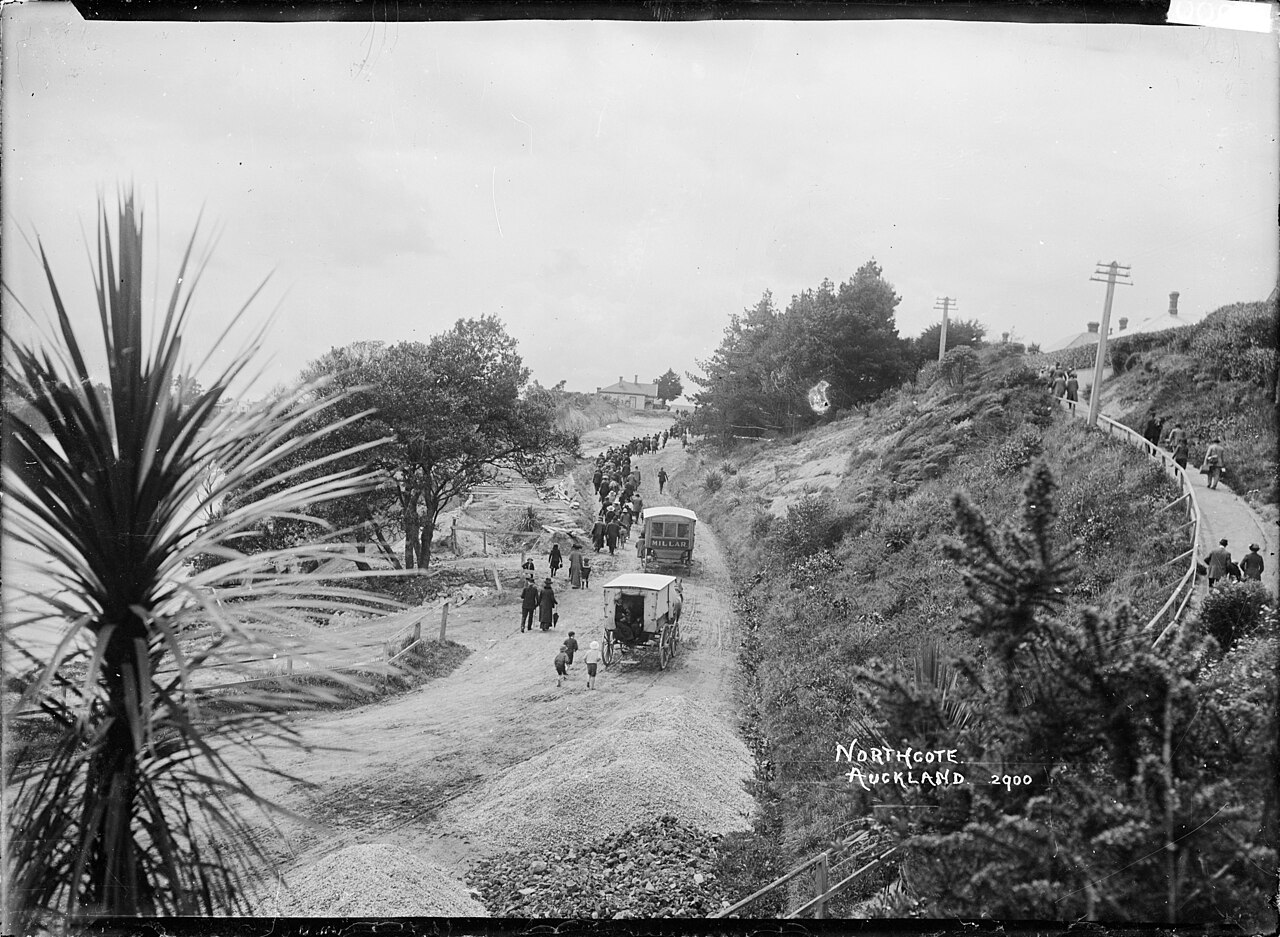
Passengers at Northcote Wharf, Auckland — Labour's proposed $20-a-week public transport fare cap would apply to Auckland ferry and bus users from July 2027, and is at the centre of the costings dispute Dunne highlights.
An independent assessor could verify costings and funding sources for policies such as the fare cap. This would reduce repeated claims about shortfalls and improve voter information before the next election.
Improved transparency would support efforts to keep core Crown expenses near 30 per cent of GDP and net debt on a downward path toward 40 per cent of GDP. It would also limit risks of unfunded commitments pressuring future budgets and debt trajectories in 2026/27 and beyond.