Economic Data · 18/09/2026 · 17:42 NZT
New Zealand rural confidence stayed positive for a ninth straight quarter in August 2026, with horticulturalists overtaking sheep and beef as the most optimistic sector while investment plans stayed soft.
Trade · 17/09/2026 · 10:44 NZT
Parliament passed the India Free Trade Agreement legislation 93–29 on 16 September 2026. Preferential tariffs await mutual ratification, with Indian officials pointing to mid-to-late October entry into force.
Fiscal · 15/09/2026 · 06:24 NZT
Electric vehicles on New Zealand roads have avoided about $90 million in oil-product imports since the start of 2024, a Newsroom analysis estimates, as Stats NZ reported fuel led the rise in merchandise imports in the year to July 2026.
Fiscal · 11/09/2026 · 14:39 NZT
Treasury told Finance Minister Nicola Willis that Foreign Minister Winston Peters committed New Zealand to host the 2027 Pacific Islands Forum before Cabinet approved the arrangement, locking in unavoidable costs inside a still-deficit Budget track.
Regulation · 11/09/2026 · 14:13 NZT
Treasury has issued a clean Consistency Accountability Statement for interim overseas investment fee cuts of about 26%, effective 11 September 2026, under the new Regulatory Standards Act framework.
Trade · 11/09/2026 · 08:40 NZT
Parliament’s Foreign Affairs, Defence and Trade Committee has recommended by majority that the India Free Trade Agreement Legislation Amendment Bill pass, with technical fixes so exporters can use first-year quotas if the deal enters force mid-year.
Trade · 04/09/2026 · 18:55 NZT
Trade Minister Todd McClay is preparing a near-term package to deepen New Zealand–Canada commerce under CPTPP, not a fresh free-trade deal, as red meat exports to Canada hit NZ$740 million and dairy quota rules enter their first full calendar-year test.
Trade · 04/09/2026 · 15:07 NZT
New Zealand will send a trade mission to Brisbane so firms can bid into an estimated A$15 billion Brisbane 2032 Games investment programme, after CER trade ministers accelerated Single Economic Market work in Auckland.
Fiscal · 04/09/2026 · 14:05 NZT
Budget 2026 locked the Māori Development Fund at $38.21 million a year from 1 July 2026. Te Puni Kōkiri is deploying the fund under strict 50 percent cash co-investment rules to de-risk Māori asset and export projects.
Economic Data · 04/09/2026 · 11:02 NZT
New Zealand’s international education export earnings reached $4.98 billion in the year to June 2026, surpassing the pre-Covid year-to-June 2019 total of $4.4 billion, Education Minister Erica Stanford said.
Economic Data · 03/09/2026 · 17:22 NZT
New Zealand’s food and fibre exports are on track for a record $64.3 billion while the arable complex that underpins seed security and domestic grain is contracting under dairy conversion, processor exits and sticky costs.
Trade · 02/09/2026 · 15:19 NZT
Trade ministers meet in Auckland to fast-track the Single Economic Market, yet TTMRA exemptions and standards grit still force dual compliance on New Zealand SMEs despite tariff-free CER since 1990.
Economic Data · 02/09/2026 · 14:21 NZT
Delegat Group lifted operating NPAT 20% to $61.5 million and cut net debt $51.8 million in FY26, even as the same week’s vine pulls showed growers absorbing the surplus the Oyster Bay owner refused to dump.
Economic Data · 02/09/2026 · 14:17 NZT
Comvita swung back to a $7.7 million profit and exited net debt after a $40.5 million F&N-anchored recap, as North America sales more than doubled and inventory normalised—closing a multi-year repair that followed shareholders’ rejection of the Florenz scheme.
Economic Data · 17/08/2026 · 18:12 NZT
Beef + Lamb New Zealand’s stock survey for the year to 30 June 2026 puts the national beef herd at 3.96 million head, up 3.3 percent, while sheep numbers fell 2 percent to 22.78 million.
Fiscal · 17/08/2026 · 15:25 NZT
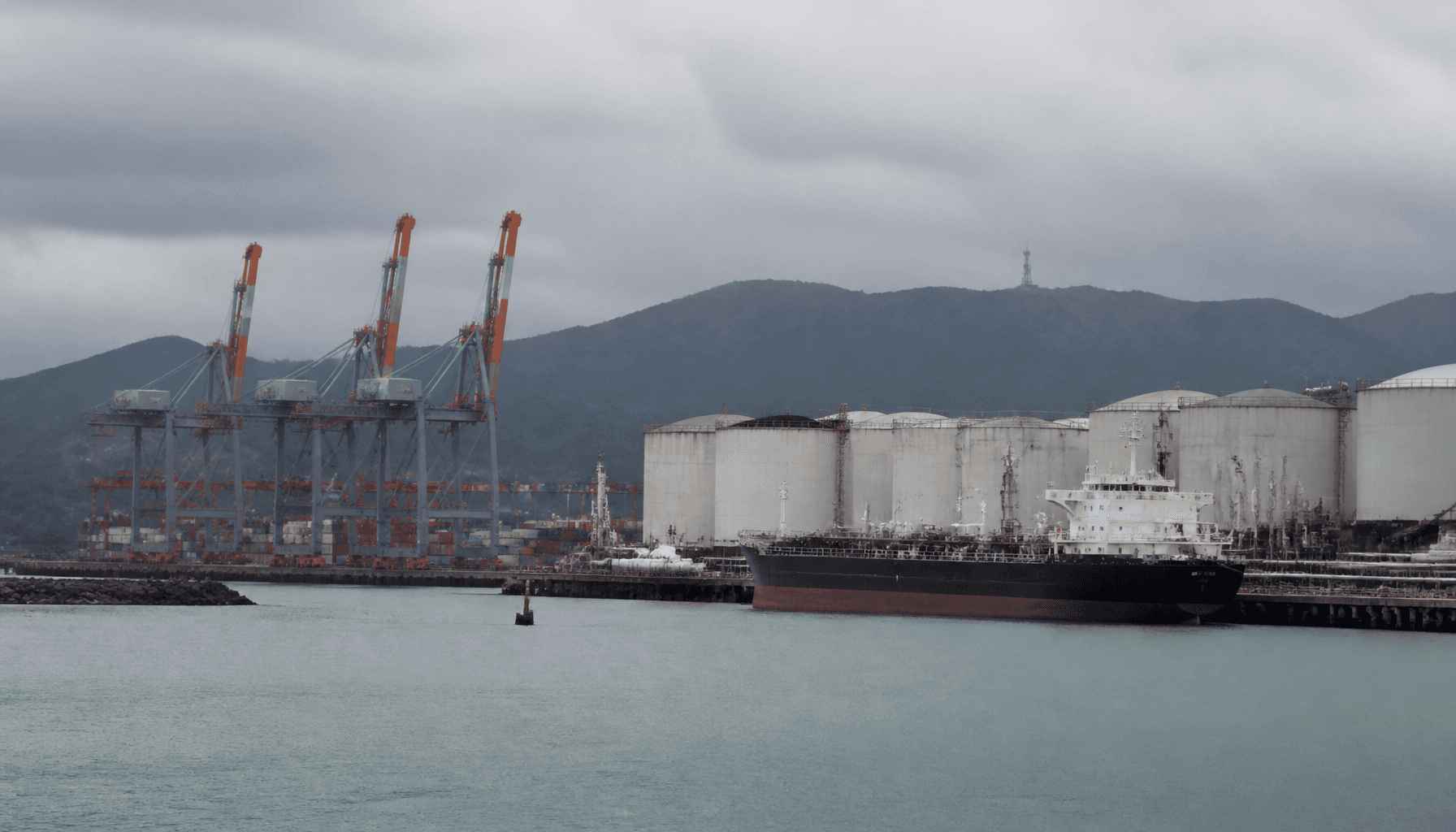
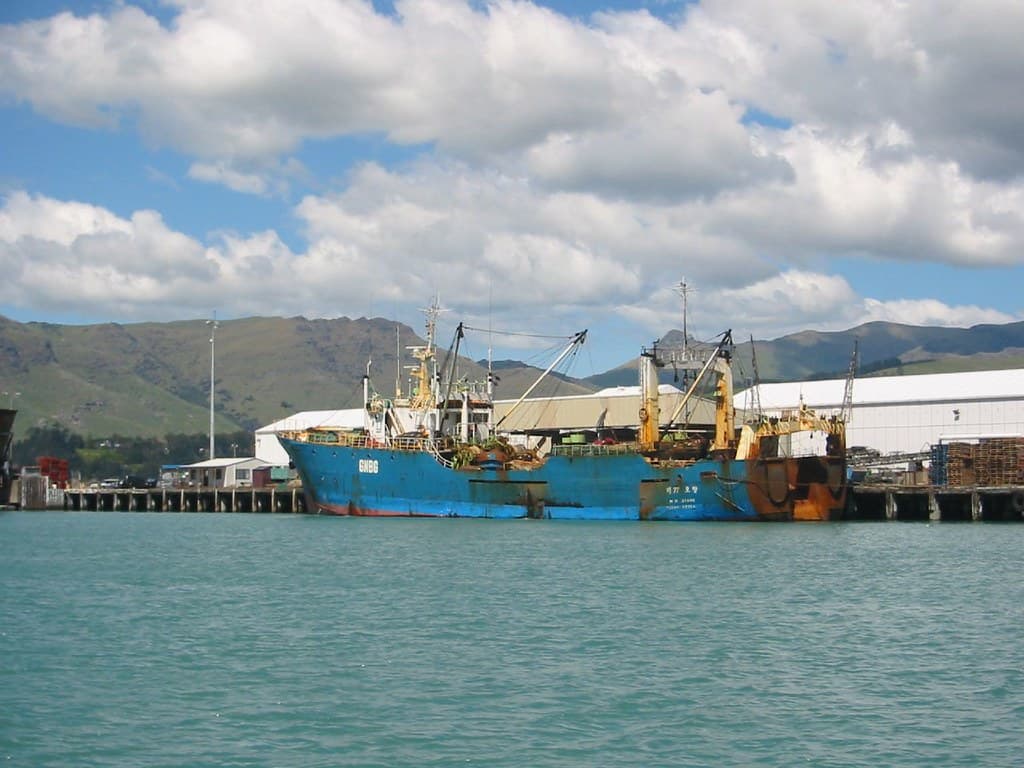
Christchurch City Holdings is committing about $300 million of public capital to an $821 million Lyttelton container expansion after rejecting a DP World–rūnanga operating lease, pairing seismic resilience with a prospective bet on dual large-ship berths and design capacity near 850,000 TEU by 2031.
Trade · 17/08/2026 · 14:54 NZT
Thai Prime Minister Anutin Charnvirakul’s 20–22 August Auckland visit will launch a New Zealand–Thailand Strategic Partnership. For dairy exporters, the real test is whether Milk Board rationing of zero-tariff access ends.
Economic Data · 14/08/2026 · 15:36 NZT
New Zealand recorded 201,900 overseas visitor arrivals in June 2026, up 8.1 per cent on a year earlier and equal to 95 per cent of June 2019 levels, Stats NZ figures show.
Trade · 14/08/2026 · 05:37 NZT
Zespri has filed a US lawsuit seeking refund of multi-million-dollar tariffs it paid as importer of record after the Supreme Court struck down President Trump’s IEEPA duties.
Regulation · 13/08/2026 · 16:39 NZT
The Environmental Protection Authority cut its hazardous-substances release queue by more than a third in 2025/26 and posted the highest annual decision total since 2018/19, yet missed Statement of Performance Expectations targets on complex applications.
Commodities · 12/08/2026 · 18:44 NZT
Global whey powder prices rose 76% year-on-year in June, Rabobank data show, as New Zealand processors expand high-value protein capacity on the back of proteinmaxxing demand and GLP-1 weight-loss drugs.
Fiscal · 10/08/2026 · 14:38 NZT
An independent Fast-track panel has approved Ngāi Tahu Seafood’s Hananui open-ocean king salmon farm off Rakiura, the first aquaculture consent under the 2024 Act and a material step toward the Government’s $3 billion aquaculture revenue target by 2035.
Fiscal · 06/08/2026 · 10:22 NZT
Overseas investors secured consents for more than $24 billion in New Zealand transactions through the Overseas Investment Office in the 2025/26 year, transferring 106,000 hectares of land.
Trade · 05/08/2026 · 21:34 NZT
New Zealand and Switzerland have launched a Trade and Investment Dialogue, marking the first delivery on the National-led government's pledge to pursue deals with seven priority markets within five years.
Trade · 29/07/2026 · 11:17 NZT
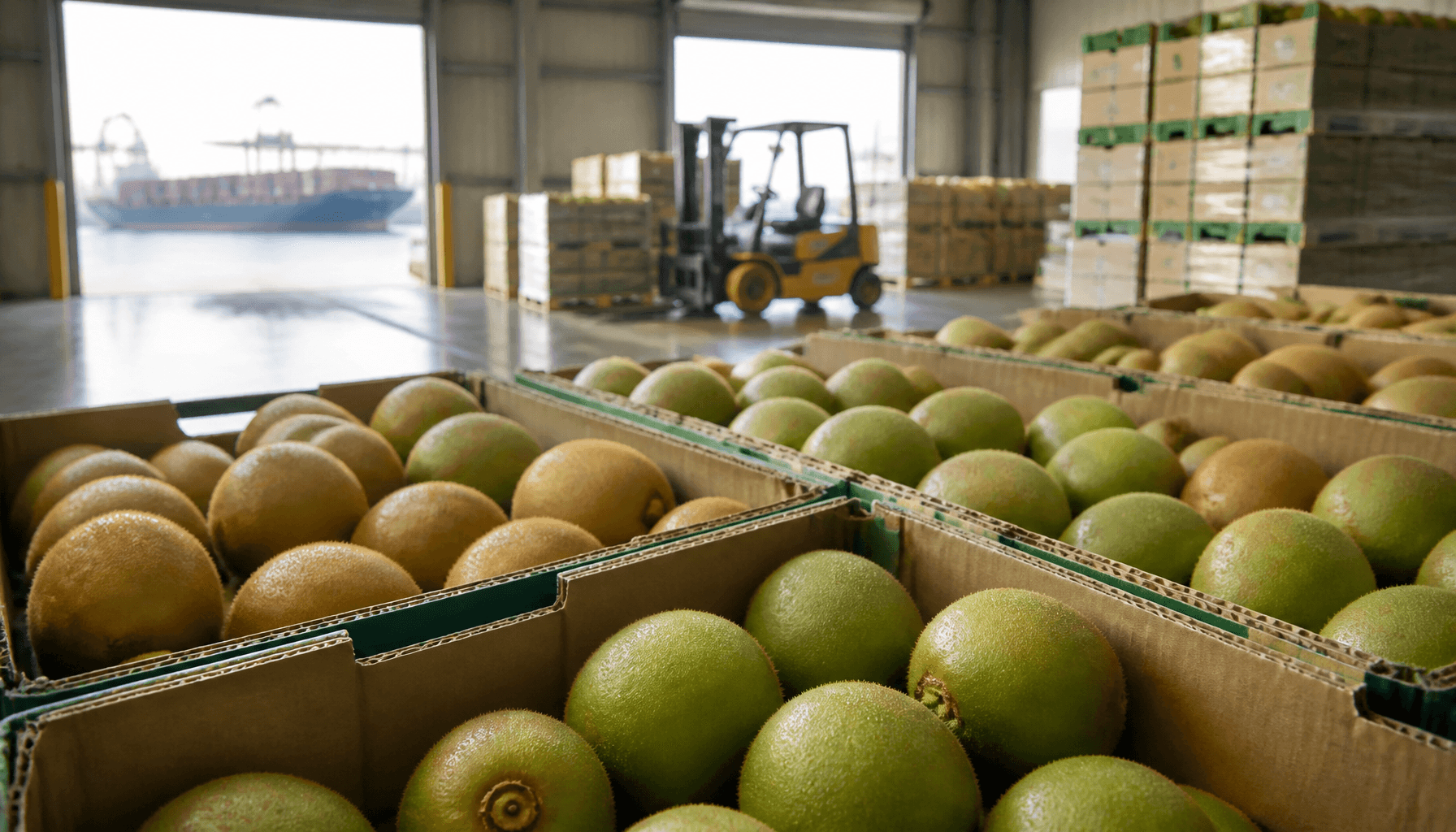
New Zealand exporters now face a permanent 12.5% additional tariff on most goods shipped to the United States after the expiry of a temporary surcharge on 24 July 2026. The measure under Section 301 of the US Trade Act of 1974 applies to 54 economies including New Zealand and leaves key sectors exposed despite exemptions for kiwifruit and beef that cover roughly 30% of the annual flow.
Trade · 21/07/2026 · 15:07 NZT
Trade Minister Todd McClay said New Zealand expects US tariffs on its exports to return to 12.5 percent during the week of 21 July 2026.
Fiscal · 18/06/2026 · 15:21 NZT
The Government will direct $5 million from the International Visitor Levy into one-off marketing and business events programmes for the 2026/27 year to accelerate tourism's return toward pre-pandemic levels.
Trade · 18/06/2026 · 10:12 NZT
The New Zealand Institute of Economic Research states that the free trade agreement with India functions primarily as strategic positioning in a fragmented global economy rather than an immediate export booster.
Trade · 12/06/2026 · 10:41 NZT
New Zealand forestry exports totalled $6.28 billion in the year ended December 2025, forming the starting point for a government target to double primary sector export value within a decade at a required 7.2 percent compound annual growth rate.
Fiscal · 11/06/2026 · 12:07 NZT
The government is investing $59 million across six projects under the Primary Sector Growth Fund, leveraging $84 million in private contributions for a total $143 million package announced at Fieldays.
Trade · 04/06/2026 · 12:55 NZT
The US Trade Representative has proposed 12.5 percent additional tariffs on all New Zealand goods, layered on the existing 10 percent blanket rate, because New Zealand has failed to ban imports of products made with forced labour.
Fiscal · 29/05/2026 · 13:46 NZT
Budget 2026 confirms $4.77 billion in baseline funding over four years for the Ministry for Primary Industries. The allocation supports New Zealand's food and fibre sector as exports head for a record $62 billion this year.
Economic Data · 28/05/2026 · 13:50 NZT
New Zealand's integrated fibre industry reached more than $926 million at the farm gate in the first comprehensive assessment of wool, harakeke, hemp, hides, mohair and biomaterials.
Economic Data · 26/05/2026 · 14:57 NZT
The Meat Industry Association has appointed Nick Beeby as chief executive effective 1 July 2026. Beeby succeeds Sirma Karapeeva and takes the role at a time when New Zealand red meat and fifth-quarter exports reached a record $11.7 billion in calendar 2025.
Trade · 22/05/2026 · 09:30 NZT
Kotahi's 4,000 TEU of dairy, meat and horticulture cargo stranded by the Strait of Hormuz closure shows how New Zealand's geography converts geopolitical shocks into sustained higher costs for primary exporters.
Fiscal · 15/05/2026 · 15:39 NZT
New Zealand's foreign investment screening regime changed materially on 6 March 2026, when the Overseas Investment (National Interest Test and Other Matters) Amendment Act 2025 took effect, replacing the previous benefit-to-New-Zealand test with a single, risk-based national interest test for most transactions.