Infrastructure stop-start decisions cost New Zealand $11.8 billion over 25 years
Pausing, cancelling and delaying infrastructure projects has cost New Zealand an estimated $11.835 billion over the past 25 years, according to a new report by economist Shamubeel Eaqub.
"The surprising finding is how expensive pausing or cancelling projects really is. Delays create inflation costs, productivity losses and defer public benefits that compound over time."Shamubeel Eaqub, economist and report author
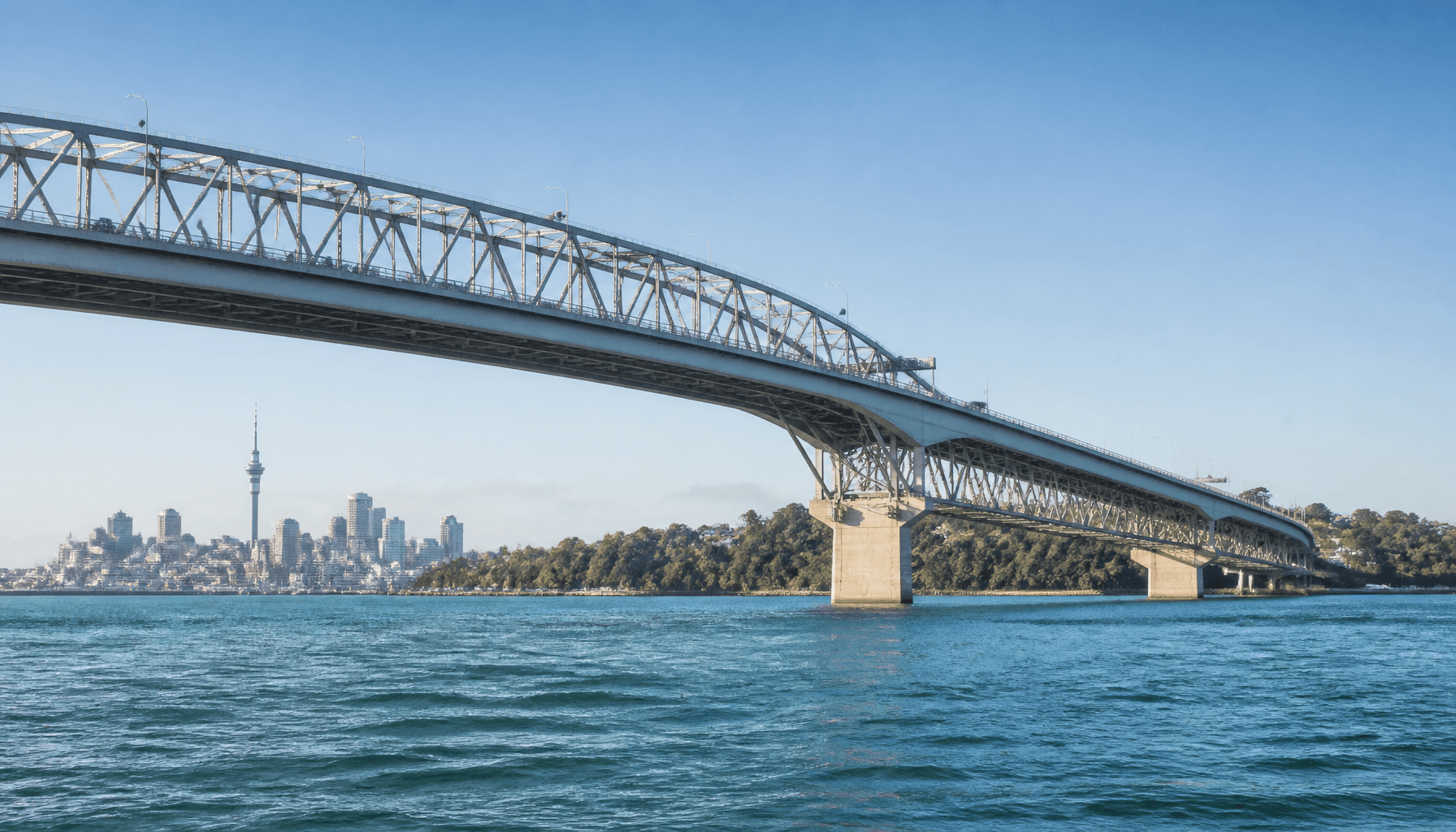
Cabinet has pulled the additional Waitematā Harbour Crossing under direct Crown control and ordered an independent detailed business case, deferring any preferred option until funding, financing and delivery are settled against a tight balance sheet.
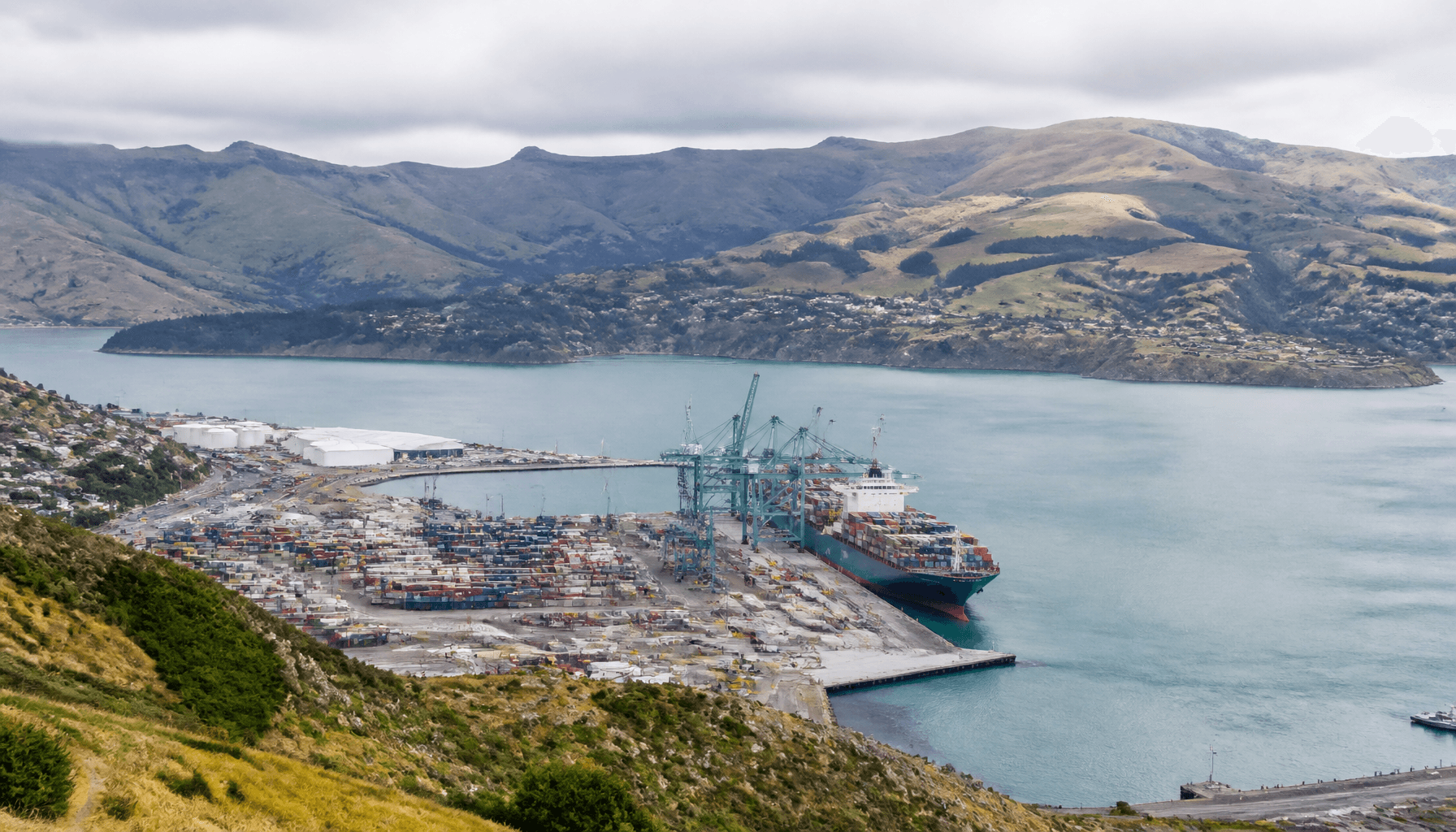
Christchurch City Holdings is committing about $300 million of public capital to an $821 million Lyttelton container expansion after rejecting a DP World–rūnanga operating lease, pairing seismic resilience with a prospective bet on dual large-ship berths and design capacity near 850,000 TEU by 2031.
New Zealand’s recovery is real in soft indicators and South Island export cash-flow, yet annual CPI at 4.1% and unemployment at 5.6% leave the RBNZ removing stimulus into spare capacity—and the pain is not evenly shared.
Pausing, cancelling and delaying infrastructure projects has cost New Zealand an estimated $11.835 billion over the past 25 years, according to a new report by economist Shamubeel Eaqub.
Report quantifies hidden costs
Economist Shamubeel Eaqub released the report The cost of stopping in May 2026. The study was commissioned by Civil Contractors New Zealand, Infrastructure New Zealand and Water New Zealand.
The central estimate stands at $11.835 billion for the period 2000 to 2024. A conservative range runs from $6.053 billion to $17.617 billion.
Cost breakdown
The total breaks down into three main components. Inflation from deferrals added $1.074 billion. Productivity losses from sector capacity erosion reached $8.647 billion. Net present value losses from delayed public benefits totalled $2.115 billion.
Major project examples
Auckland Light Rail was cancelled in January 2024 after more than $228 million had been spent. Early estimates sat around $1.8 billion. Later projections reached $15 billion and potentially $29.2 billion.
Transmission Gully began with an $850 million estimate. Final construction costs reached about $1.25 billion. Additional settlements pushed the total Crown cost toward $2.5 billion amid delays from the Kaikōura earthquake and COVID-19.
The iReX Interislander ferry replacement incurred sunk costs of around $500 million to $596 million before cancellation. The new programme is estimated at $1.86 billion.
Broader infrastructure context
Te Waihanga estimates New Zealand's infrastructure deficit at $210 billion. The National Infrastructure Plan released in March 2026 shows a $275 billion pipeline across nearly 12,000 initiatives. More than two-thirds of that pipeline, or $193 billion, lacks full funding.
Historical infrastructure spending has averaged 5.8 percent of GDP over the past 20 years. Maintenance and renewals represent only about 30 percent of pipeline value despite ageing assets.
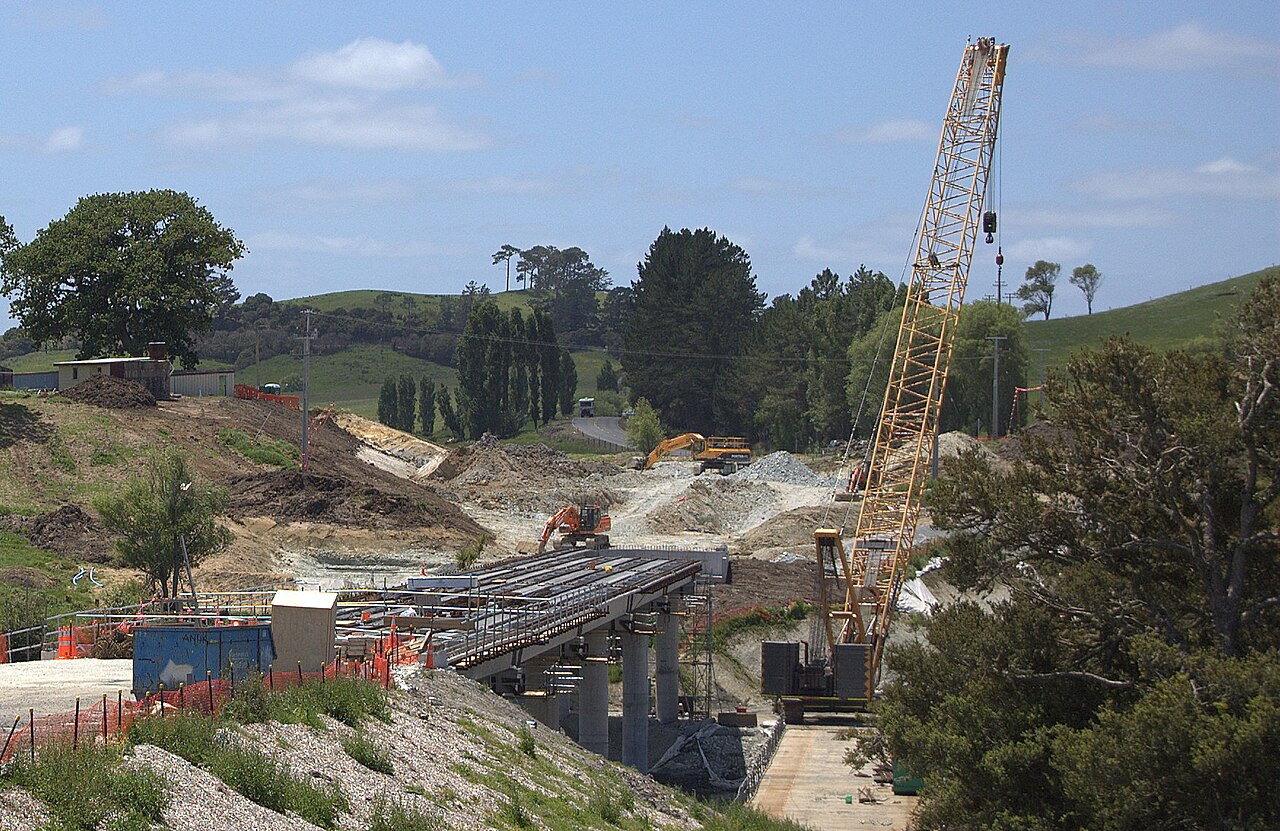
Active construction at Matakohe, Northland. Eaqub's report warns that when projects pause, up to 65% of direct workers on major roading projects leave the industry, driving costly remobilisation. Photo: Zoohistorian · CC BY-SA 4.0 · Wikimedia Commons
Government rationale versus report findings
As successive governments have stated publicly, value-for-money concerns and cost escalations have been cited when pausing projects. The report challenges that pausing saves money. It highlights compounding costs from workforce disruption, remobilisation, lost capability and foregone community benefits.
"I was surprised by how large it was, because $11.8 billion buys you a lot of kit in New Zealand. When you have a $210 billion infrastructure deficit, $12 billion would get us ahead. I don't think we can afford to waste money as we are doing at the moment." — Shamubeel Eaqub, speaking to the NZ Herald
Eaqub said the finding that pausing or cancelling projects is so expensive was surprising, noting that delays create inflation costs, productivity losses and deferred public benefits that compound over time. He also cautioned that infrastructure construction delivers public benefit, and that when considering delaying or cancelling projects, decision-makers need to be careful they are not unnecessarily denying communities access to those benefits.
The report recommends committing to a multi-year infrastructure pipeline. It calls for full assessment of costs before stopping any project. Maintenance budgets should be ring-fenced from fiscal austerity because deferred maintenance costs two to five times more.
Implications for future budgets
The findings arrive amid 2026 Budget discussions on infrastructure funding. Industry groups welcome steady investment signals. They warn that inconsistent pipelines erode contractor retention and inflate future costs.
Te Waihanga data shows near-term spend projections nearing historical averages. Large megaprojects remain vulnerable to pauses. The report's triage framework and scenario tool at costofstopping.nz aim to make these trade-offs explicit for ministers and councils.