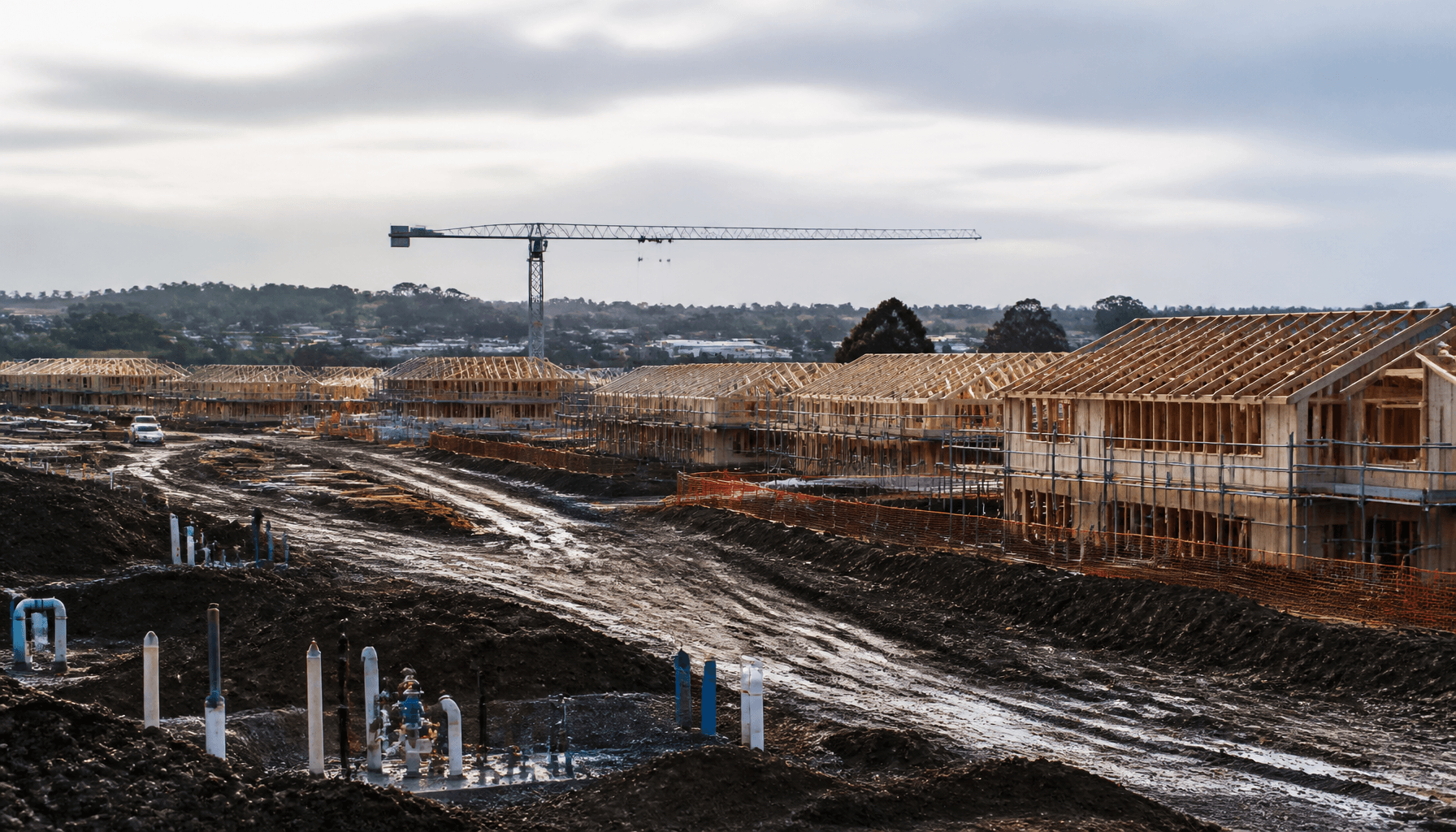

New Zealand businesses are almost evenly split on a capital gains tax framed as a response to long-term fiscal pressures, according to the Deloitte and Chapman Tripp Election Survey released by BusinessNZ on 15 September 2026.
Some 46.0% of respondents supported the idea, 45.7% opposed it, and just over 8% were unsure. That marks a clear move from the 2023 survey, when 61% opposed a CGT, 28% supported it and 11% were unsure.
BusinessNZ flagged important caveats. The 2026 sample drew 423 responses, of which 279 were fully completed — well below the 876 responses in 2023. The sample skewed toward larger firms, with more than a quarter employing 500 or more staff. Small business and the self-employed were under-represented.
Chief executive Katherine Rich said results should be read in that context rather than as a precise mirror of the whole business community. She said the depth of questions still made the survey a useful barometer.

Stability over reform
The clearer tax message was stability. Majorities wanted no change to personal income tax rates (61.8%) or corporate rates (57.6%). Some 65.3% opposed a wealth tax. An overwhelming 93.5% rated an internationally competitive tax system as important or very important.
That preference sits beside BusinessNZ's own Election Priorities 2026, which call for a staged cut in the 28% company rate — above the OECD average of roughly 24.1% — plus indexation of personal thresholds and a stronger R&D incentive.
On retirement settings that bear on long-run Crown costs, 66.5% supported raising the superannuation age, most commonly to 67. Support for compulsory KiwiSaver for employers, employees and the self-employed reached 89.1%, with the largest group favouring a combined 10% rate.
The fiscal backdrop
Treasury's Budget Economic and Fiscal Update 2026 projects OBEGALx deficits of $11.9 billion (2.6% of GDP) in 2025/26 and $11.4 billion (2.4%) in 2026/27. It then forecasts a surplus of $2.6 billion (0.5% of GDP) in 2028/29 and $6.1 billion (1.1%) in 2029/30.
The Fiscal Strategy Report 2026 targets core Crown expenses toward 30% of GDP, an OBEGALx surplus by 2028/29, and net core Crown debt on a downward path toward 40% of GDP.
Labour's 2026 CGT proposal is a realisation-based 28% tax on gains in residential investment and commercial property arising on or after 1 July 2027. The family home, farms, shares, KiwiSaver, businesses and inheritances are carved out. Revenue is ring-fenced to health, including three free GP visits. Leader Chris Hipkins has ruled out wealth, inheritance and higher corporate taxes.
National campaign chair Simeon Brown said National modelling shows the design taxes inflation. Under assumptions of 3% house-price growth and 2% inflation, a couple buying an $800,000 rental and selling five years later for $927,000 would face a $35,600 tax bill — an 81% effective rate on the real gain, according to the party release.
Energy and infrastructure
Energy and infrastructure dominated non-tax concerns. Fully 80.4% worried about future energy prices. Some 61.3% said the Government was not doing enough on regulatory barriers to electricity supply. Electricity Authority data showed average power-bill increases of 6.8% for households and small businesses in the first half of 2026, after 8.0% in 2025, with lines charges the largest driver.
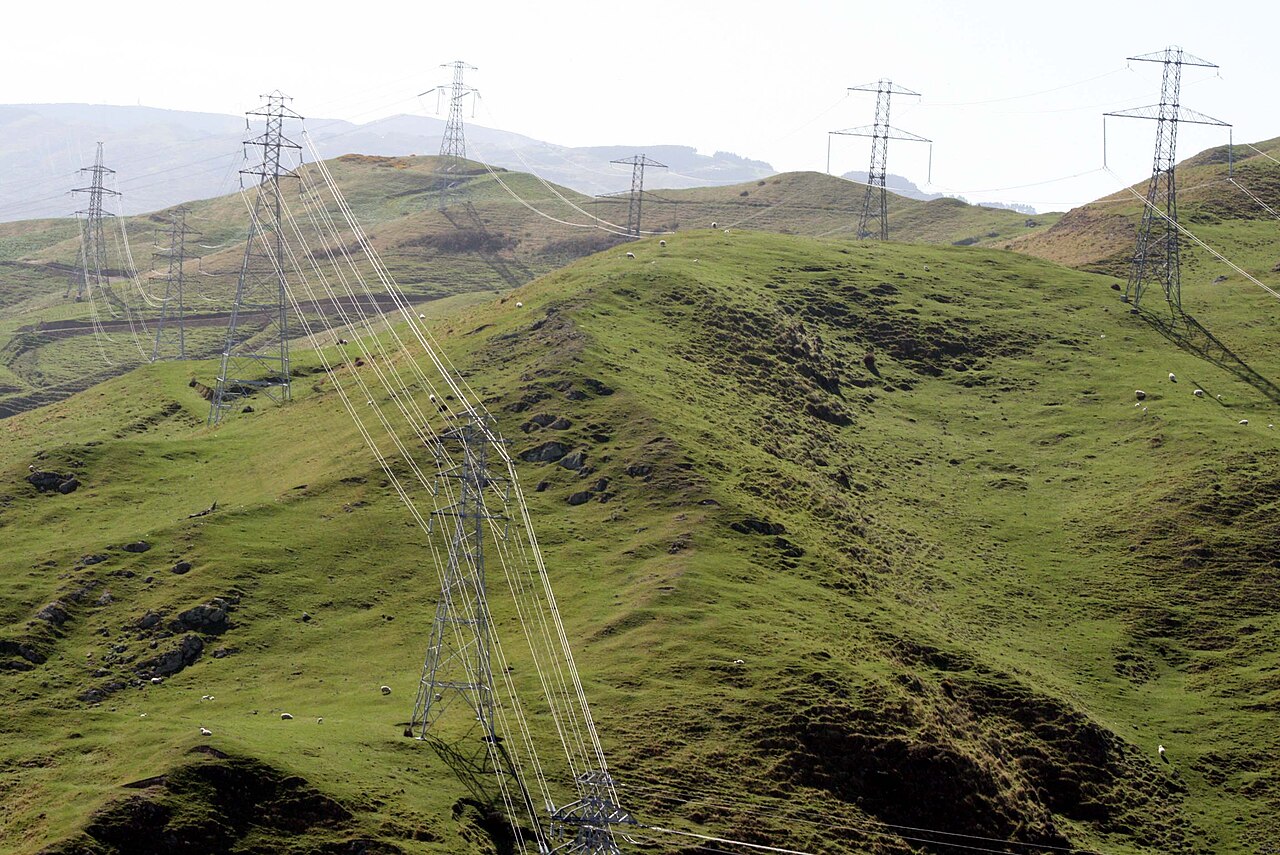
Nearly 95% backed bipartisan 20–30-year infrastructure planning and funding. Support for asset recycling into new infrastructure stood at 82.8%.
Only 25% said Budget 2025's Investment Boost — a 20% partial expensing regime for eligible new assets from 22 May 2025 — positively influenced productivity-enhancing investment decisions. Some 47% said it had not.
This year's survey tells us that, above all, business wants confidence that the economy will keep growing, certainty that tax settings won't be pulled out from under them, and follow-through on the infrastructure plans that have been talked about for years.
Rich said business wants confidence the economy will keep growing, certainty tax settings will not be pulled out from under them, and follow-through on infrastructure plans. Deloitte New Zealand chief executive Mike Horne linked energy, infrastructure and international competitiveness as foundations of prosperity.
Coalition arithmetic
The 7 November 2026 election leaves coalition arithmetic open. Under MMP, any tax package would depend on partners. The survey's durable signal is rate stability and delivery on growth enablers, even as openness to a narrow CGT has risen among the larger firms that dominate this sample. How parties reconcile those preferences with Treasury's path back to surplus will shape the next fiscal term.