Crown Shares Liability for East Coast Forestry Crisis, Must Fix Rules
Central government shares liability for the East Coast forestry crisis and must correct shortfalls in national rules on slash liability and consenting, an independent review has found.
"The findings provide assurance that the fundamentals of our regulatory approach are sound. They also identify areas where we need to improve, and we accept that responsibility."Rehette Stoltz, Gisborne Mayor
An Auckland Council-commissioned report estimates that integrated energy and spatial planning could deliver up to $17 billion in avoided costs over the next decade. The finding arrives as the supercity grapples with $15.5 billion in net debt and structural decline in domestic natural gas supplies.
New Zealand's net core Crown debt stood at 42.3 percent of GDP as at 30 September 2026, well below Japan's near 200 percent ratio, yet heavy offshore ownership makes fiscal credibility essential to avoid rollover risks.
Delivereasy paid more than $4 million in tax on $118 million revenue over four years. Portier New Zealand Limited, the Uber Eats operator, paid $945,000 in net income tax expenses on more than $1.16 billion revenue over the same period.
Central government shares liability for the East Coast forestry crisis and must correct shortfalls in national rules on slash liability and consenting, an independent review has found.
The 80-page independent assurance review, chaired by former Attorney-General Hon Christopher Finlayson KC with Dr Marie Doole, was released around 1 November 2026. It examined Gisborne District Council files and interviewed over 100 stakeholders.
The review found the council 'acted diligently and in good faith' with no evidence of 'anti-forestry bias'. Seven Environment Court enforcement orders have improved forestry practices.
It stated it is 'unfair for the Crown to criticise GDC as it has in recent times'. The panel urged central government to address gaps in the Resource Management Act and National Environmental Standards for Commercial Forestry.
Gisborne Mayor Rehette Stoltz said the findings provide assurance on regulatory fundamentals while noting areas for improvement.
Crown's mounting bill
The Crown has already incurred substantial costs from the crisis. Cyclone Gabrielle in February 2023 produced 1.7 million tonnes of woody debris. Crown spending on debris and sediment removal exceeded $110 million by 2024.
Gisborne District Council has sought $359 million over 10 years for a forest transition fund to retire 60,000 to 100,000 hectares of extreme-risk land. Only $16.4 million has been reallocated from clean-up funds so far.
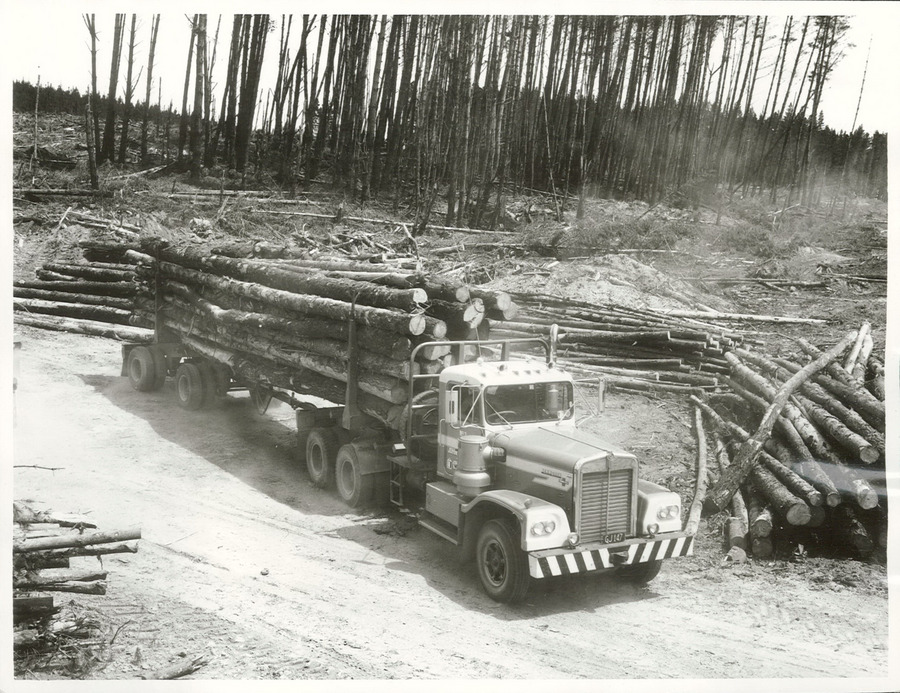
Radiata pine, the species planted under post-Cyclone Bola subsidies on erodible East Coast land, remains the backbone of Tairāwhiti's forestry economy — now at the centre of a liability dispute between Gisborne and the Crown.
'unfair for the Crown to criticise GDC as it has in recent times'
A region built on pine
Forestry underpins the Tairāwhiti economy. It contributes 7.9 per cent of regional GDP, or approximately $295 million annually. Agriculture, forestry and fishing account for 18.9 per cent of local employment, versus 5.1 per cent nationally.
Pre-Cyclone Gabrielle, the council consented harvest of over 6,000 hectares per year. Under new post-Gabrielle conditions, consents fell to between 1,400 and 2,843 hectares in the 2025/26 period.
Roots of the crisis
The crisis traces to post-Cyclone Bola government subsidies that established tens of thousands of hectares of radiata pine on highly erodible land. Successive storms exposed the risks.
Forestry Minister Todd McClay appointed facilitator Doug Leeder in August 2026. Leeder will report on the industry future in March 2027.
The review criticised central government actions, including a May 2026 warning from Minister for Regulation David Seymour on investment risks. It called for national leadership to resolve liability and consenting confusion.
Coordinated action on funding and rule changes is required to limit further Crown exposure. Piecemeal responses risk repeated clean-up costs and damage to regional output and jobs.