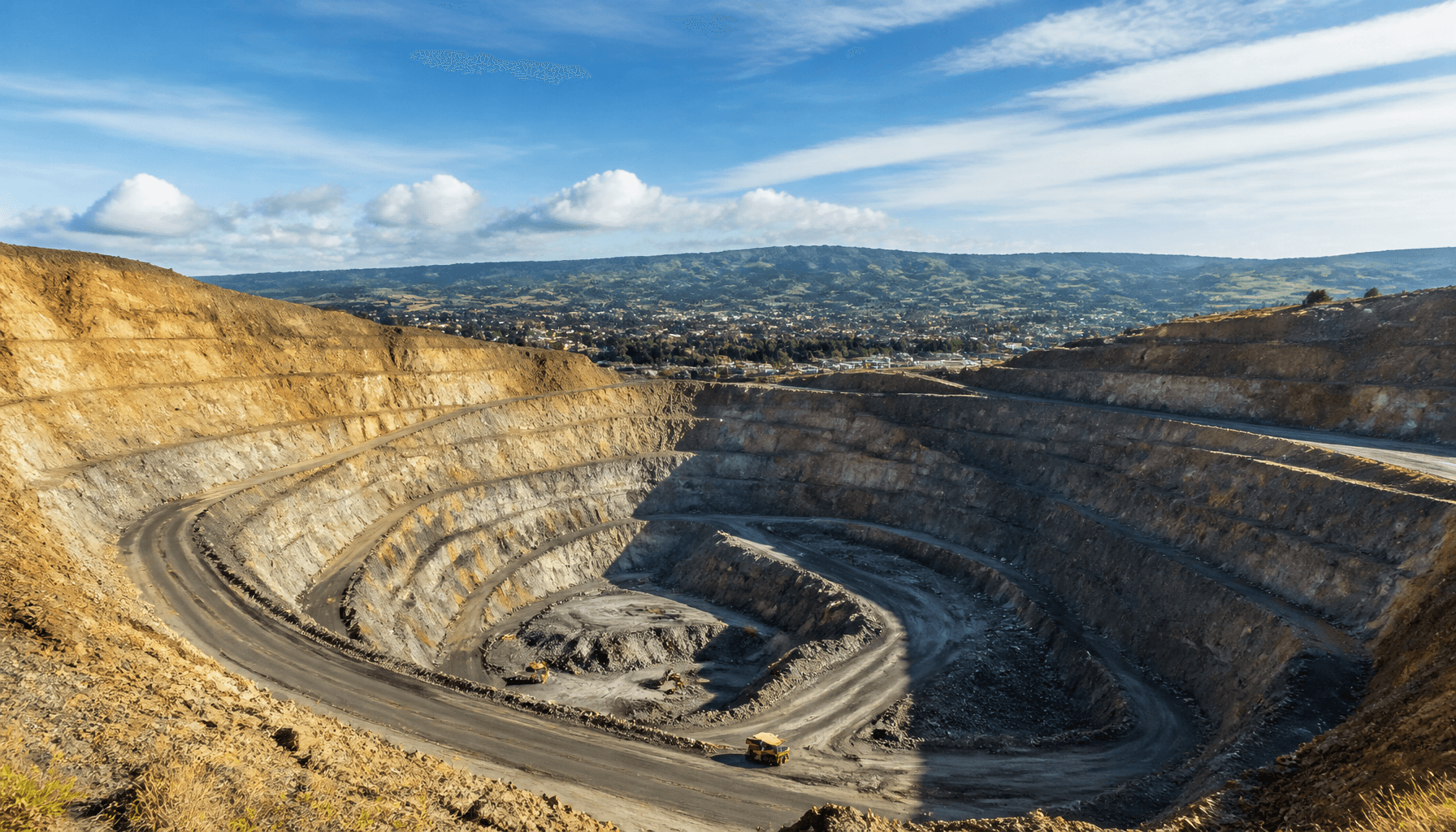
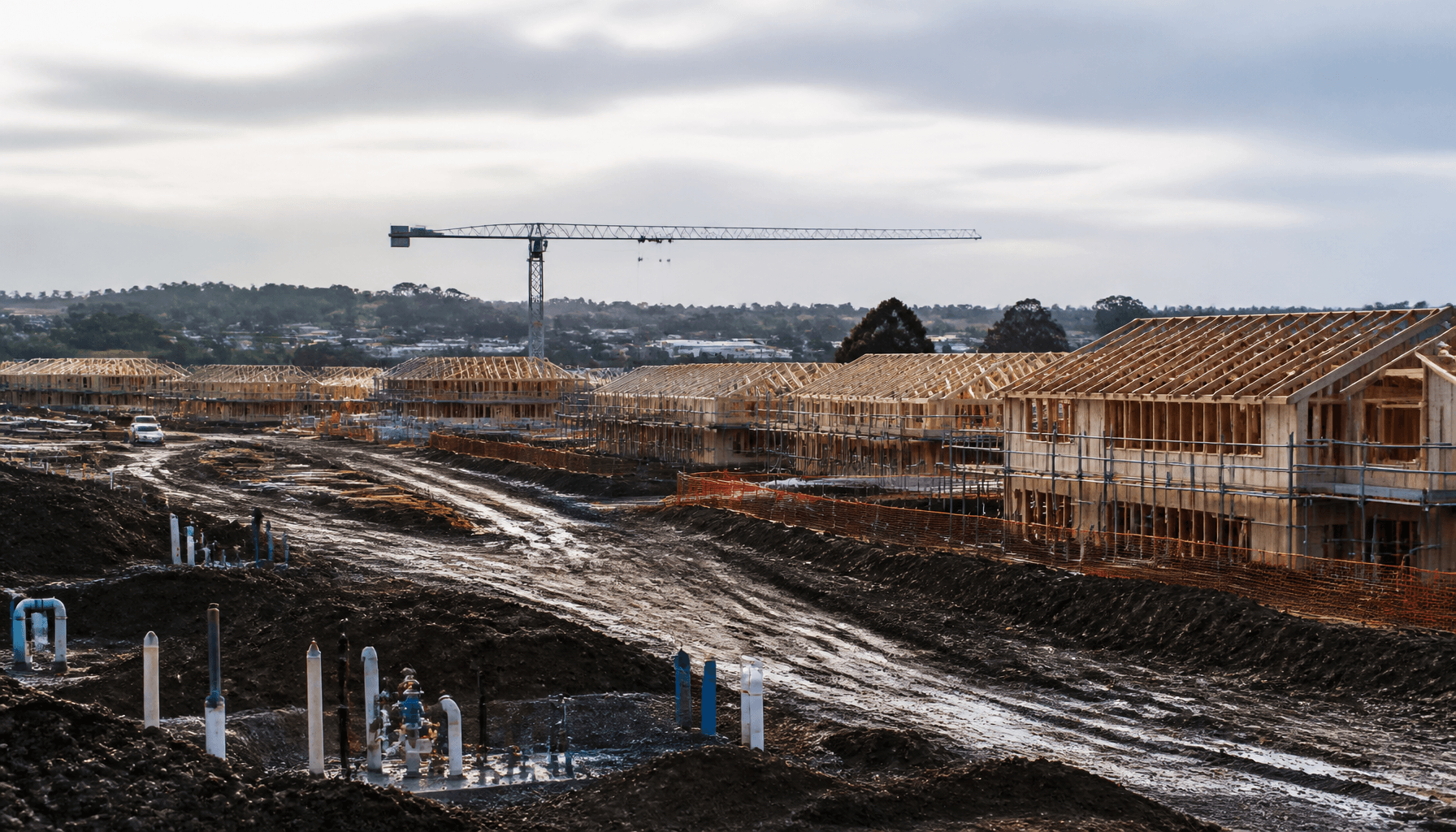
Around 97 per cent of New Zealand's mineral royalty revenue in 2025 came from permits operating under legacy royalty regimes that pre-date the current framework introduced in 2013.
An independent Deloitte New Zealand review commissioned by the Ministry of Business, Innovation and Employment reached that conclusion after examining the Crown's return from mineral development.
The report found the overall government take, including royalties and company tax, was broadly comparable with similar overseas jurisdictions.
Total government revenue from all royalties and Energy Resource Levies fell to $143.4 million in 2024-25, down 40.1 per cent from $242 million in 2023, mainly due to declining petroleum output.
Gold royalties rose 26 per cent to $11.6 million in 2024-25 amid strong global prices, while coal royalties dropped to $1.78 million.
A Regime Shaped by History
Post-2013 Tier 1 permits face a royalty of the higher of 2 per cent of net sales revenue or 10 per cent of accounting profits. An earlier MBIE Regulatory Impact Statement estimated the nominal Crown take at around 33 per cent of accounting profits.
“Importantly, the report provides the Government with an independent evidence base on how different future royalty settings would operate in practice and the trade-offs associated with different approaches.” — Resources Minister Shane Jones
Resources Minister Shane Jones has noted the structural reason behind the legacy-permit dominance:
“It is important to note that mining projects don't happen overnight. A permit granted years ago at the exploration stage could take a decade or more to become a producing mine, and in most cases the royalty arrangements stay with that permit for its life.”
Trade-offs and the Road to 2027
The review highlights trade-offs in any future changes, including the balance between Crown returns, investment certainty and long-term sector stability.
Policy work on mineral royalty settings will continue, with further advice due in 2027. Decisions on changes will be considered in the next term of government.
New Zealand last conducted a comprehensive royalty review in 2012. The Deloitte report excludes petroleum royalties, which follow a separate regime.
The minerals sector contributes roughly 0.75 to 1.3 per cent of GDP and employs 5,300 to 6,800 people directly in high-wage roles.
The Government's Minerals Strategy to 2040 targets doubling mineral export value to $3 billion by 2035, with emphasis on critical minerals.
The NZ Herald reported in November 2025 that grandfathered pre-2013 permits have cost the Crown hundreds of millions in foregone revenue compared with current notional rates.
According to the Minerals Council of Australia and EY, Australia collected $23.9 billion in mining royalties in 2021-22, with the sector contributing around 10–14 per cent of GDP — a structural contrast that underscores the difference in scale and fiscal reliance between the two countries.
The review provides modelling on different future royalty settings and associated trade-offs ahead of any post-election decisions.