The drivers behind the policy
Geopolitical risks, particularly tensions in the Middle East, prompted the move. Policymakers cite the need for resilience beyond routine commercial buffers. The arrangement keeps the additional stocks separate from company MSO obligations, preserving commercial incentives while giving ministers discretion over use.
The Fuel Industry (Improving Fuel Resilience) Amendment Act and related regulations already scheduled an increase in diesel MSO to 28 days for large importers from mid-2028. The current initiative operates ahead of that deadline. It also complements a revised Fuel Response Plan updated alongside the Z Energy agreement.
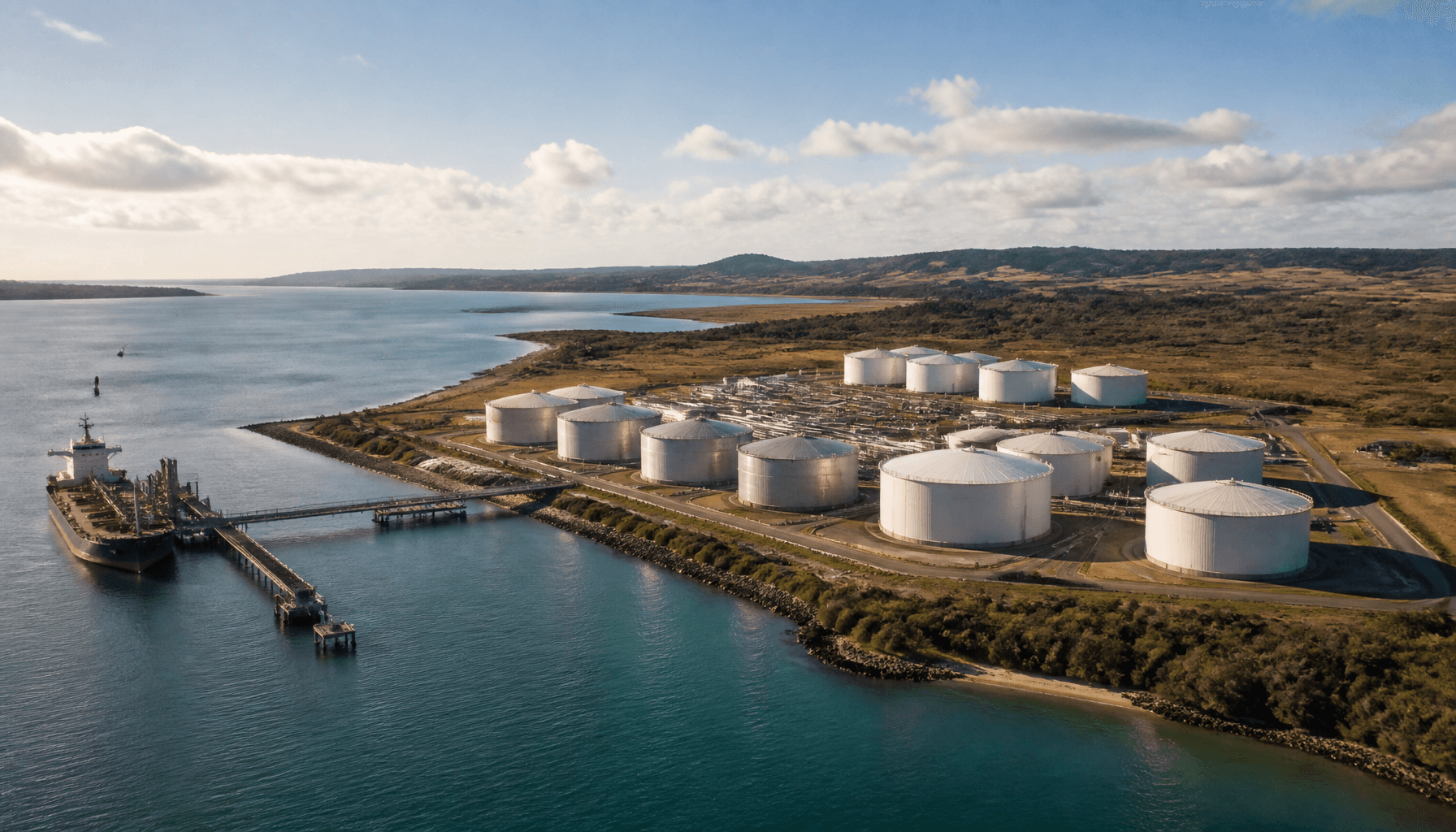
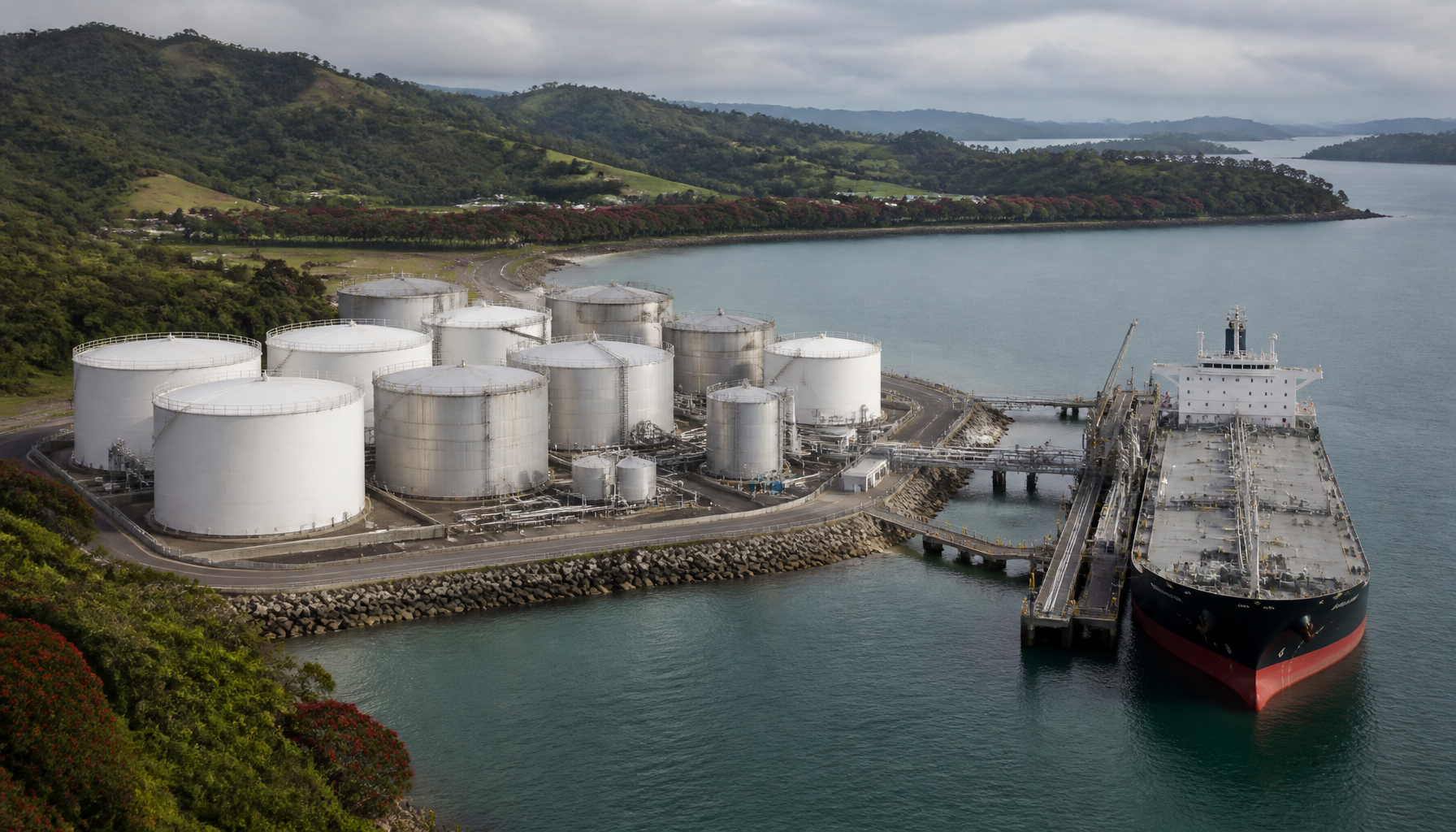
According to Channel Infrastructure's 2026 ASM presentation materials, the refurbishment project represents a 30 per cent increase in in-service storage volume for the company. Channel Infrastructure currently operates 290 million litres in service with further capacity available at the site. Regional Northland construction and engineering activity received a short-term boost from the accelerated timetable.
Trade-offs in cost and control
Taxpayers fund the NZ$21.6 million refurbishment through the Regional Infrastructure Fund. Ongoing storage and management costs fall under the Z Energy agreement, though exact long-term holding expenses remain unspecified in public documents. The fiscal outlay buys nine days of dedicated cover controlled by ministers rather than market participants.
Separation from the MSO regime avoids forcing commercial operators to carry extra stock that could raise costs passed to consumers. At the same time it concentrates release authority with the Crown, creating potential for political rather than purely commercial decisions on deployment.
The 2028 MSO increase to 28 days will impose additional compliance requirements on importers including Z Energy. Whether the government reserve complements or partially substitutes for that higher obligation is not yet detailed in policy statements.
Ministerial statements
"Diesel is critical to keeping New Zealand moving. It powers freight, agriculture, construction and many of the services New Zealanders rely on every day." — Finance Minister Nicola Willis
Willis added that the reserve would strengthen New Zealand's fuel security and resilience.
"Having additional diesel available in New Zealand provides greater resilience and gives New Zealanders confidence that we are better prepared for potential supply disruptions." — Finance Minister Nicola Willis
"The Crown and Z Energy agreed that the company will own and manage the reserve stocks. How and when the reserve is used will be decided by ministers." — Associate Energy Minister Shane Jones
Second-order effects for businesses and regions
Lower tail-risk of supply disruption supports continuity in export-oriented sectors such as agriculture and freight over the next 6–18 months. Construction projects and essential services also benefit from the buffer. No direct relief at the pump is expected, consistent with statements from BusinessNZ that the partnership aids supply resilience without addressing price levels.
Marsden Point gains positioning for future lower-carbon fuel handling as the site expands storage options. The regional economy in Northland sees immediate construction employment from the refurbishment contract. Longer-term signals of policy continuity may influence importer capital expenditure decisions ahead of the 2028 MSO changes.
Historical context and precedents
The 2022 refinery closure ended domestic refining capacity and locked New Zealand into full import dependence. Earlier reserve proposals under previous administrations did not advance to this scale. New Zealand contributed the equivalent of roughly six days of fuel to a recent IEA coordinated stock release.
Australia maintains MSO-style holdings around 32–36 days of diesel equivalent without a large central strategic petroleum reserve. G7 economies typically hold 90–200 or more days through strategic reserves or robust MSO systems. Both New Zealand and Australia fall below the IEA 90-day net import obligation.
Counter-argument on existing buffers
Commercial diesel stocks already stand at 45.9 days total cover as of late May 2026, more than double the current 21-day MSO requirement. Regular shipments continue without interruption. Critics note that the nine-day dedicated reserve primarily addresses extreme geopolitical scenarios rather than routine supply variability. Its modest scale relative to total national consumption is unlikely to shift pump prices or materially improve New Zealand's IEA standing.
Industry voices emphasise that existing MSO levels plus commercial inventories already provide substantial buffering. The new reserve functions mainly as insurance against low-probability tail events. Whether the NZ$21.6 million plus ongoing costs represent efficient use of public funds remains open to scrutiny given the healthy baseline stocks.
Open questions ahead
Release criteria and long-term holding costs have not been fully specified. Interaction between the government reserve and the revised Fuel Response Plan requires further clarification. Measurable gains in IEA credibility or borrowing-cost impacts are not yet quantified.
The 2028 MSO increase to 28 days for large diesel importers will test whether Crown stocks crowd out or complement private-sector obligations. Exact verification of shipment loading and arrival beyond government statements would strengthen confidence in timelines.
What to watch next
The second shipment arrival in early July will complete the initial build. MBIE's regular fuel stock updates and any ministerial statements on release protocols will provide the next data points. Budget 2026 implementation reports due later in the year will detail drawdowns from the NZ$150 million reserve expansion allocation and the contingency fund. Importers' responses to the 2028 MSO changes will reveal whether the government layer alters commercial investment patterns.