Government expands AI pilot for 150 small businesses using existing MBIE funds
The government will expand its AI Advisory Pilot to support 150 small businesses, up from 50, drawing on the initial $765,000 allocation from existing MBIE appropriations, Small Business and Manufacturing Minister Cameron Brewer announced on 15 May 2026.
Cabinet has pulled the additional Waitematā Harbour Crossing under direct Crown control and ordered an independent detailed business case, deferring any preferred option until funding, financing and delivery are settled against a tight balance sheet.
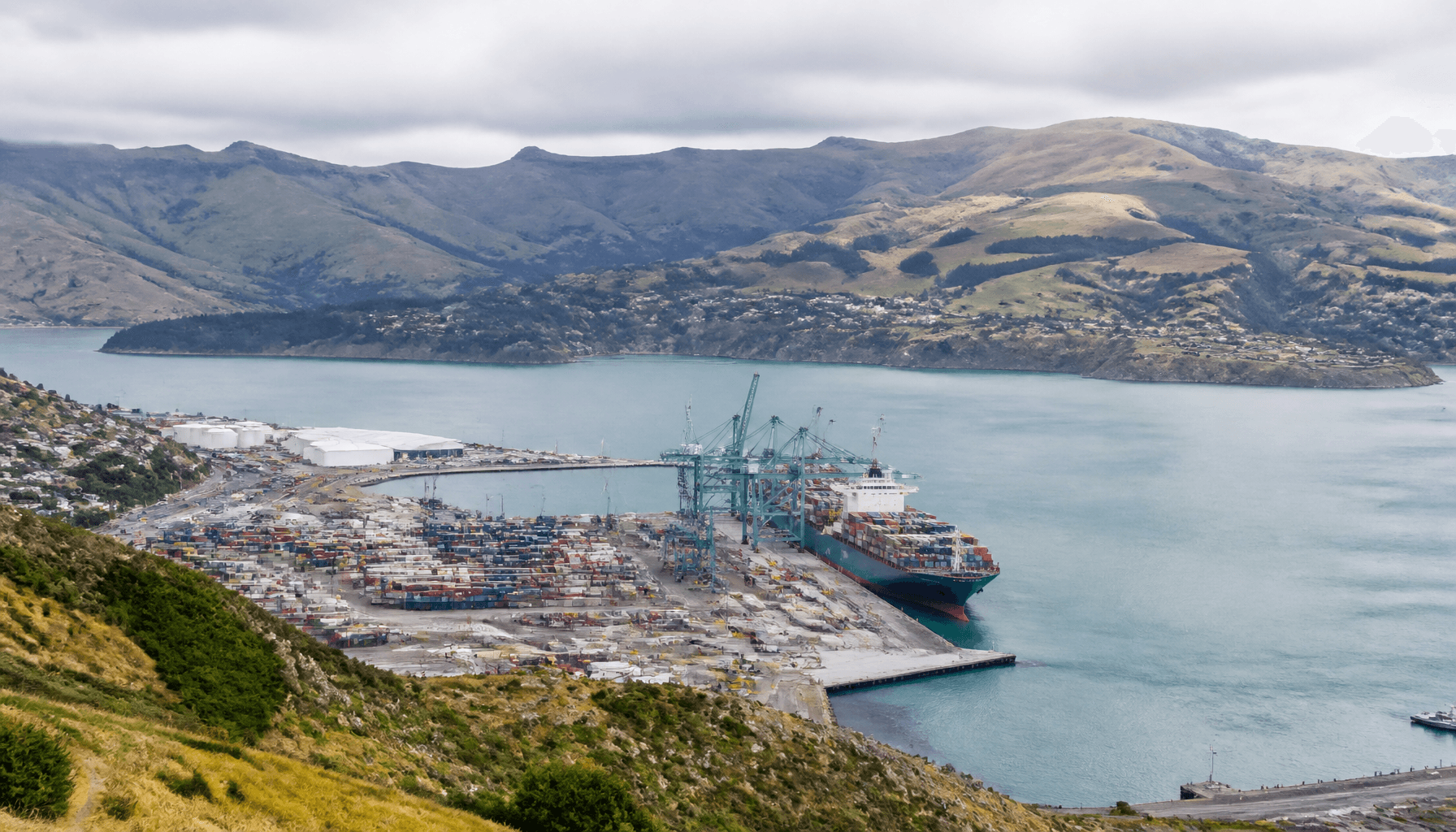
Christchurch City Holdings is committing about $300 million of public capital to an $821 million Lyttelton container expansion after rejecting a DP World–rūnanga operating lease, pairing seismic resilience with a prospective bet on dual large-ship berths and design capacity near 850,000 TEU by 2031.
New Zealand’s recovery is real in soft indicators and South Island export cash-flow, yet annual CPI at 4.1% and unemployment at 5.6% leave the RBNZ removing stimulus into spare capacity—and the pain is not evenly shared.
The government will expand its AI Advisory Pilot to support 150 small businesses, up from 50, drawing on the initial $765,000 allocation from existing MBIE appropriations, Small Business and Manufacturing Minister Cameron Brewer announced on 15 May 2026.
The expansion triples the number of participating firms following strong initial demand. Eligibility has been widened and the programme extended to 31 January 2027. Businesses can receive co-funding of up to 50 percent of costs, capped at $15,000 each, for expert advice to develop and implement tailored AI plans.
The pilot operates through the Regional Business Partner Network. It targets small and medium enterprises with fewer than 500 employees that have been operating for at least 12 months. The approach subsidises expert support rather than direct technology purchases.
The backbone of the economy
New Zealand had 617,330 enterprises at February 2025, according to Stats NZ. Small businesses with fewer than 20 employees make up around 97 percent of all enterprises. These firms employ approximately 680,000 people, or 29.3 percent of the workforce, and generate over a quarter of GDP.
AI illustration of a New Zealand small business owner using digital tools to analyse growth opportunities — the kind of practical AI support the expanded pilot aims to deliver.
Business Mentors NZ adds AI tools
Business Mentors New Zealand launched two AI tools on the same date. The Mentoring Assist AI helps mentors capture session insights. The Digital Mentor tool provides 24/7 anonymised advice on strategy, finance and marketing.
Expanding practical, on-the-ground support is key to helping businesses turn AI into real productivity gains. — Minister Cameron Brewer
Fiscal discipline: no new Budget money
The funding draws from within existing MBIE appropriations with no new Budget allocation. This keeps immediate Crown expenditure limited while targeting productivity gains.
Australia's AI Adopt Program offers grants of $3–5 million over four years covering up to 50 percent of project costs, plus dedicated centres. New Zealand's lighter-touch model relies on co-funding and the existing regional network.
Closing the adoption gap
A 2024 Datacom survey showed 67 percent of larger New Zealand businesses use some form of AI. A 2024 NZIER/Spark survey found 68 percent of SMEs have no plans to evaluate or invest in the technology. The pilot addresses this adoption gap.
AI adoption gap: large businesses vs SMEs (2024)
Bars show share of each cohort engaging with AI in some form versus having no plans to evaluate or invest.
MBIE leads the national AI strategy, which prioritises private-sector adoption alongside responsible-use guidance. The pilot tests practical productivity outcomes at larger scale.
Successful results could inform future scaled programmes or Budget bids. Low take-up would highlight persistent barriers such as awareness or trust. Measurable outcomes will depend on participation rates and actual efficiency lifts over the next 12 to 24 months.