Investment Decision Assurance Regime Launches for Government Projects
The Investment Decision Assurance Policy took effect on 1 November 2026, replacing the Treasury’s Gateway reviews and the Infrastructure Commission’s voluntary Infrastructure Priorities Programme with a single, mandatory framework for central-government investments.
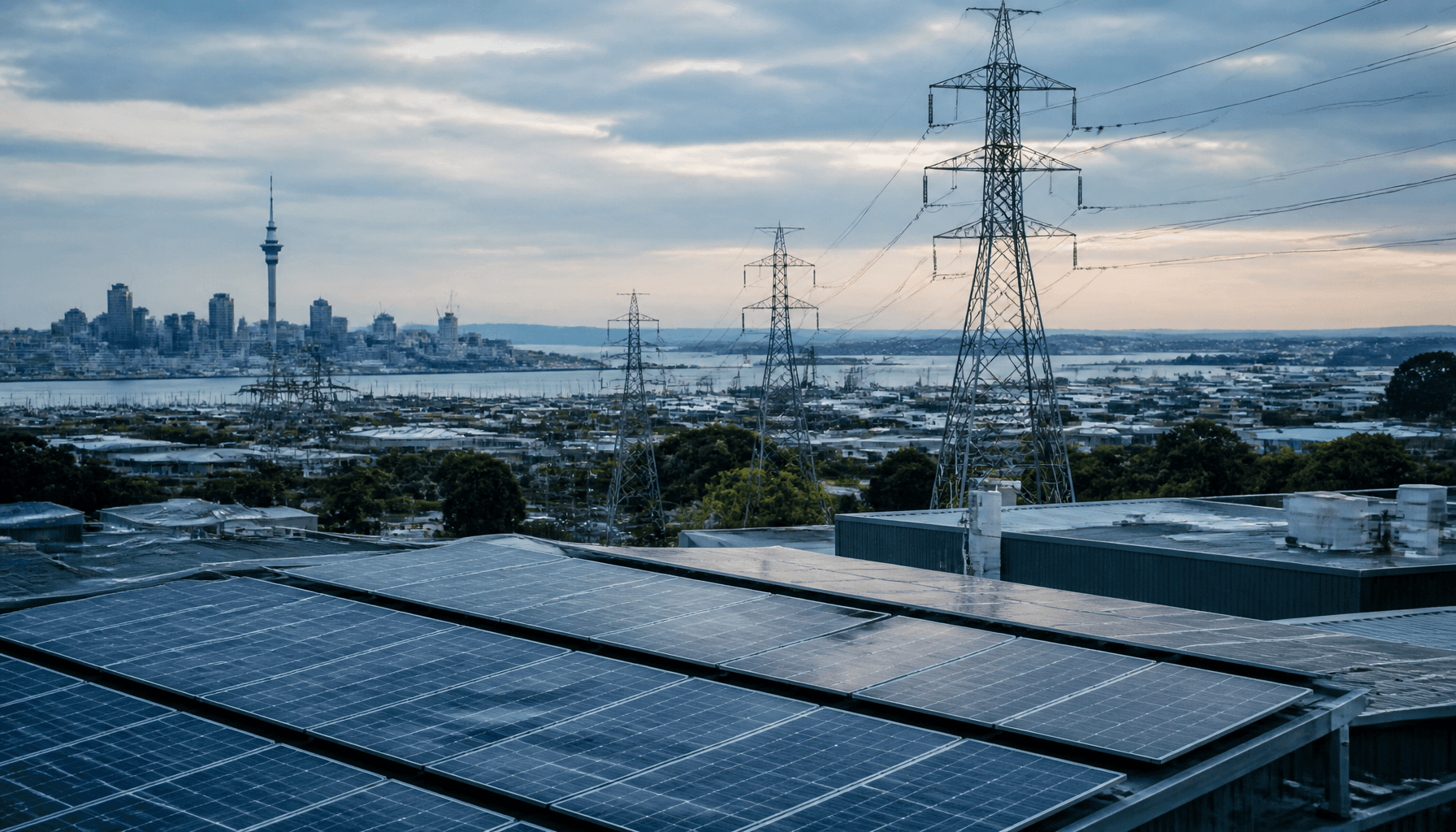
An Auckland Council-commissioned report estimates that integrated energy and spatial planning could deliver up to $17 billion in avoided costs over the next decade. The finding arrives as the supercity grapples with $15.5 billion in net debt and structural decline in domestic natural gas supplies.
New Zealand's net core Crown debt stood at 42.3 percent of GDP as at 30 September 2026, well below Japan's near 200 percent ratio, yet heavy offshore ownership makes fiscal credibility essential to avoid rollover risks.
Delivereasy paid more than $4 million in tax on $118 million revenue over four years. Portier New Zealand Limited, the Uber Eats operator, paid $945,000 in net income tax expenses on more than $1.16 billion revenue over the same period.
The Investment Decision Assurance Policy took effect on 1 November 2026, replacing the Treasury's Gateway reviews and the Infrastructure Commission's voluntary Infrastructure Priorities Programme with a single, mandatory framework for central-government investments.
Unified Scrutiny Begins
The Treasury and Te Waihanga now coordinate independent reviews under the new Investment Decision Assurance regime. The change delivers clearer advice to Ministers on whether proposals align with strategy, deliver value for money and can be completed on time.
Cabinet agreed five key reforms in April 2026. These include stronger investor-focused assurance, a standardised two-page Treasury Fitness Assessment, formal scrutiny by the Infrastructure and Investment Ministers Group for high-profile high-risk projects, transfer of infrastructure coordination to Te Waihanga and a new function covering asset management and investment plans.
Budget Context and Fiscal Discipline
The reforms operate against a $6.8–7 billion capital package in Budget 2026, with a net impact of $5.7 billion after savings. Funds target hospitals, schools, roads, rail, defence and social housing. The Infrastructure Commission estimates every $1 billion of annual infrastructure investment supports about 4,500 jobs.
Past Gateway reviews, introduced in 2008, cost around $2 million a year for 25–30 reviews. By 2016 more than 180 reviews had covered projects worth about $45 billion. The Auditor-General noted benefits to individual projects but limited system-wide evaluation of savings.
Split Assurance Model
Te Waihanga handles infrastructure investments through the Infrastructure Assurance Framework. The Treasury manages data, digital, equipment and organisational change projects via the Digital, Equipment and Change Assurance Framework. Both frameworks use a six-point review lifecycle and share core principles.
Agencies must complete a Risk Profile Assessment for medium- or high-risk investments. High-risk projects require mandatory reviews at six lifecycle points. Outcomes feed into the Treasury Fitness Assessment used by Ministers.
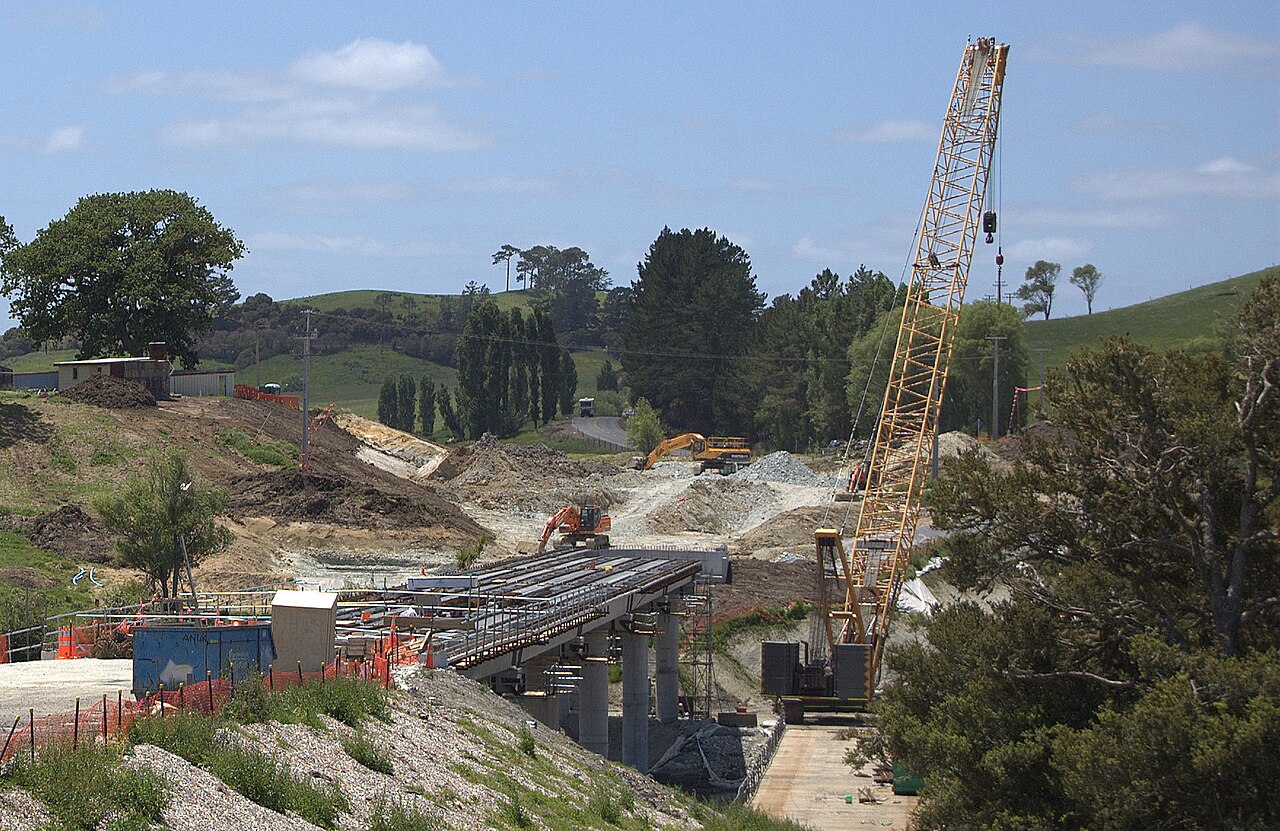
Infrastructure projects like this one are now subject to mandatory Investment Decision Assurance reviews coordinated by Te Waihanga under the new regime.
Practical Steps for Agencies
Contact points are now clear. Infrastructure queries go to IDA@tewaihanga.govt.nz. Other investments route to IDA@treasury.govt.nz. Updated Risk Profile Assessment and Strategic Assessment templates were published on 2 November 2026.
The policy applies to investments under Cabinet Office circular CO (23) 9. Reviews remain confidential in many respects, yet ratings and action plans influence Cabinet decisions.
Forward Outlook
Consultation is open on Long-term Investment Plan and Asset Management Planning policies. A formal review of the IDA Policy is scheduled for 2027 to assess scope, independence and alignment with any updates to CO (23) 9.
The changes aim to reduce duplication, improve project selection and support fiscal discipline within constrained budgets. Better early scrutiny should limit cost overruns and scope creep on the roughly $20 billion annual public investment pipeline.