Jones Urges Mining Firms to Lodge Fast-Track Bids Before November Election
Resources Minister Shane Jones is urging mining executives to submit fast-track consent applications before the November 2026 general election to lock in approvals under the current regime.
Regulation and Markets Conduct Reporter · 18/05/2026 · 10:16 NZT · 6 min read
"He stated he would campaign on a system where politicians 'failed or flourished' by making final calls on major projects rather than leaving decisions solely to expert panels."Shane Jones, Resources Minister
Auckland’s potential $5 billion Fast-track infrastructure exposure and 16,270 wrongly suspended Winter Energy Payments have become the first real-world stress tests of the Regulatory Standards Act 2025.
Cabinet’s Economic Policy Committee has formally authorised public consultation on a prudential levy to shift Reserve Bank supervision costs onto banks, insurers and market infrastructure operators from 2027/28.
Cabinet has agreed in principle to three shifts in public performance reporting sought by the Finance and Expenditure Committee, while parking detailed design and costings until 2027.
Resources Minister Shane Jones is urging mining executives to submit fast-track consent applications before the November 2026 general election to lock in approvals under the current regime.
Jones has told mining bosses to act now on fast-track applications. He cited industry fears that a Labour-led government could tighten the Fast-track Approvals Act 2024 after the election.
The regime, passed in December 2024, routes major projects through the Environmental Protection Authority to expert panels. Decisions typically come within months instead of the years common under standard Resource Management Act processes.
As of early 2026, just three mining projects — Drury Quarry Expansion, Kings Quarry Expansion, and OceanaGold's Waihi North — have been approved from a list of 18–19 mining and quarrying projects in Schedule 2 of the Act, out of nine total approvals across all sectors.
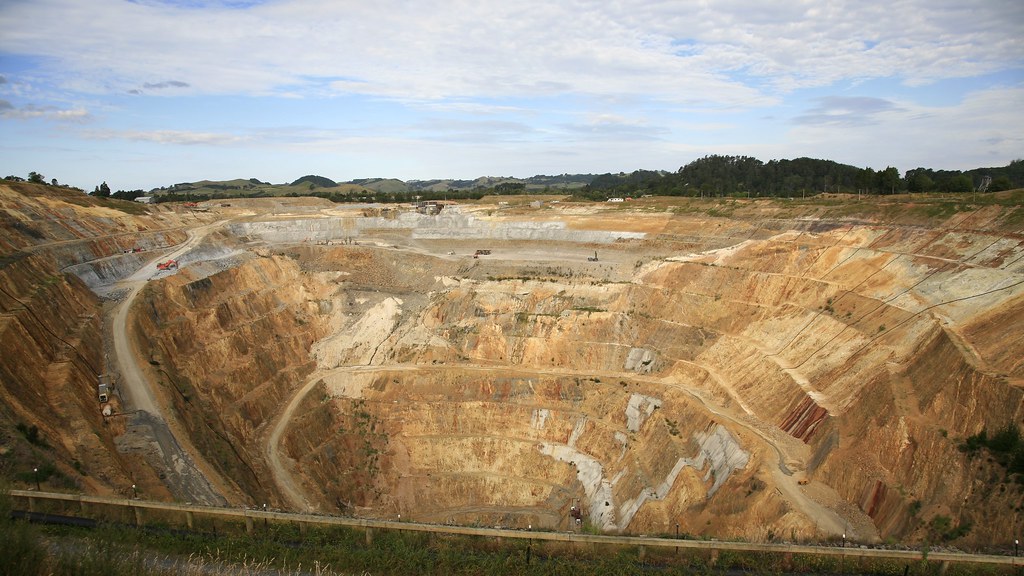
The Martha open-pit gold mine at Waihi — OceanaGold's Waihi North project, including the Wharekirauponga underground extension, was the first major mining approval under the Fast-track Approvals Act 2024, granted in December 2025.
Political split on oversight
Jones has pushed for greater ministerial involvement. According to RNZ, he stated he would campaign on a system where politicians failed or flourished by making final calls on major projects rather than leaving decisions solely to expert panels.
He stated he would campaign on a system where politicians “failed or flourished” by making final calls on major projects rather than leaving decisions solely to expert panels.
Labour leader Chris Hipkins has confirmed the party will change the current fast-track settings if elected. Labour says it will keep environmental protections central while remaining open to responsible mining.
The Green Party has pledged to revoke consents for seven fast-track projects if it gains power.
Record approvals and the gold surge
OceanaGold's Waihi North project, including the Wharekirauponga underground extension, received consent in December 2025. Operations can continue until 2043.
Other mining approvals include quarry expansions at Drury and Kings. Record gold prices drove 143 of 150 new mineral permit applications in 2025, according to government figures cited by Resources Minister Jones.
RUA GOLD lodged a referral for its Auld Creek project in the Reefton Goldfield on 20 April 2026.
Fast-track mining and quarrying project approvals vs listed projects
Only three of the 18-19 listed mining and quarrying projects have cleared the expert panel process as of early 2026.
Source: Fast-Track Builds NZ Future, One Year On · Mirage News; fasttrack.govt.nz
Economic stakes for New Zealand
Faster approvals cut red tape and speed access to gold, coal and quarry resources. This supports regional jobs in Otago, the West Coast and Northland plus higher export revenue and royalties.
The old Resource Management Act system often created years of delays and unnecessary compliance costs. The fast-track approach delivers projects like the Auckland wharf expansion in under seven months.
Amendments effective 31 March 2026 limited mining eligibility to deposits under existing exploration permits and required proven health and safety capability.
AI illustration of the fast-track consenting sprint: with only three mining approvals secured from 18-19 listed projects, Resources Minister Jones is urging operators to lodge applications before the November 2026 election window closes.
Investor risk ahead of the election
Long-lead mining investments face political uncertainty. Operators weigh the current coalition's pro-development stance against possible tightening by Labour or the Greens.
Industry bodies Straterra and the Minerals Council of New Zealand have welcomed mining's inclusion on the fast-track list for its regional and national significance.
The first infrastructure approval under the regime was the NZ$200 million Port of Auckland wharf expansion in August 2025.
New Zealand needs faster, more certain consenting to compete with Australia's critical minerals push and to capture value from high gold prices. Delaying or reversing progress risks lost investment and jobs.