NZ Super Fund Contributions Lift to $3.1B Over Four Years | Economic News NZ
Government capital contributions to the New Zealand Superannuation Fund will total $3.1 billion over the next four years, $2.2 billion more than forecast at the December Half Year Economic and Fiscal Update, according to the Treasury's updated Contribution Rate Model released with BEFU 2026.
Auckland’s potential $5 billion Fast-track infrastructure exposure and 16,270 wrongly suspended Winter Energy Payments have become the first real-world stress tests of the Regulatory Standards Act 2025.
Cabinet’s Economic Policy Committee has formally authorised public consultation on a prudential levy to shift Reserve Bank supervision costs onto banks, insurers and market infrastructure operators from 2027/28.
Cabinet has agreed in principle to three shifts in public performance reporting sought by the Finance and Expenditure Committee, while parking detailed design and costings until 2027.
Government capital contributions to the New Zealand Superannuation Fund will total $3.1 billion over the next four years, $2.2 billion more than forecast at the December Half Year Economic and Fiscal Update, according to the Treasury's updated Contribution Rate Model released with BEFU 2026.
Treasury Updates NZSF Contribution Model
The Treasury released its New Zealand Superannuation Fund Contribution Rate Model for BEFU 2026 on 28 May 2026. The model calculates the annual Crown contribution rate under Section 43 of the New Zealand Superannuation and Retirement Income Act 2001.
Contributions are set by a legislated formula. They rise from $562 million in 2026/27 to just over $1 billion in 2029/30 — a $2.2 billion upward revision from what was projected at the December 2025 HYEFU.
Crown NZSF Contributions by Year
Formula-driven contributions rise steadily across the forecast horizon.
Source: Treasury BEFU 2026 Contribution Rate Model
Returns Assumption Cut Drives Higher Path
The Guardians of New Zealand Superannuation lowered their long-term expected returns assumption from 7.8 per cent to 7.2 per cent. This change, together with updated population projections and inflation forecasts, shifts the trajectory to sustained positive contributions.
Finance Minister Nicola Willis said the higher contributions reflect the formula response to updated inputs, noting that revised population projections, new inflation forecasts and other changes to formula inputs mean the government is continuing to make contributions over the next few years, rather than drawing down from the Fund as expected in last year's Budget. The Minister also pointed to the Guardians' decision to lower their long-term expected returns assumption as a significant change driving the revised path.
Withdrawals from the Super Fund are now expected from 2054 onwards, to help meet the future costs of New Zealand Superannuation. — Finance Minister Nicola Willis, 28 May 2026
Withdrawals from the Fund are now expected from 2054 onwards — more than two decades later than earlier forecasts, which had pointed to first drawdowns around 2028–2031.
NZS Costs Continue to Climb
New Zealand Superannuation expenditure is forecast to grow from $24.7 billion in the current financial year to $31.2 billion in 2029/30.
Net NZS costs as a share of GDP have risen from around 3.9 per cent in 2006 to 5.1 per cent in 2025, according to Treasury projections. Treasury projects further increases without policy change, reflecting demographic pressures as the baby-boomer cohort retires.
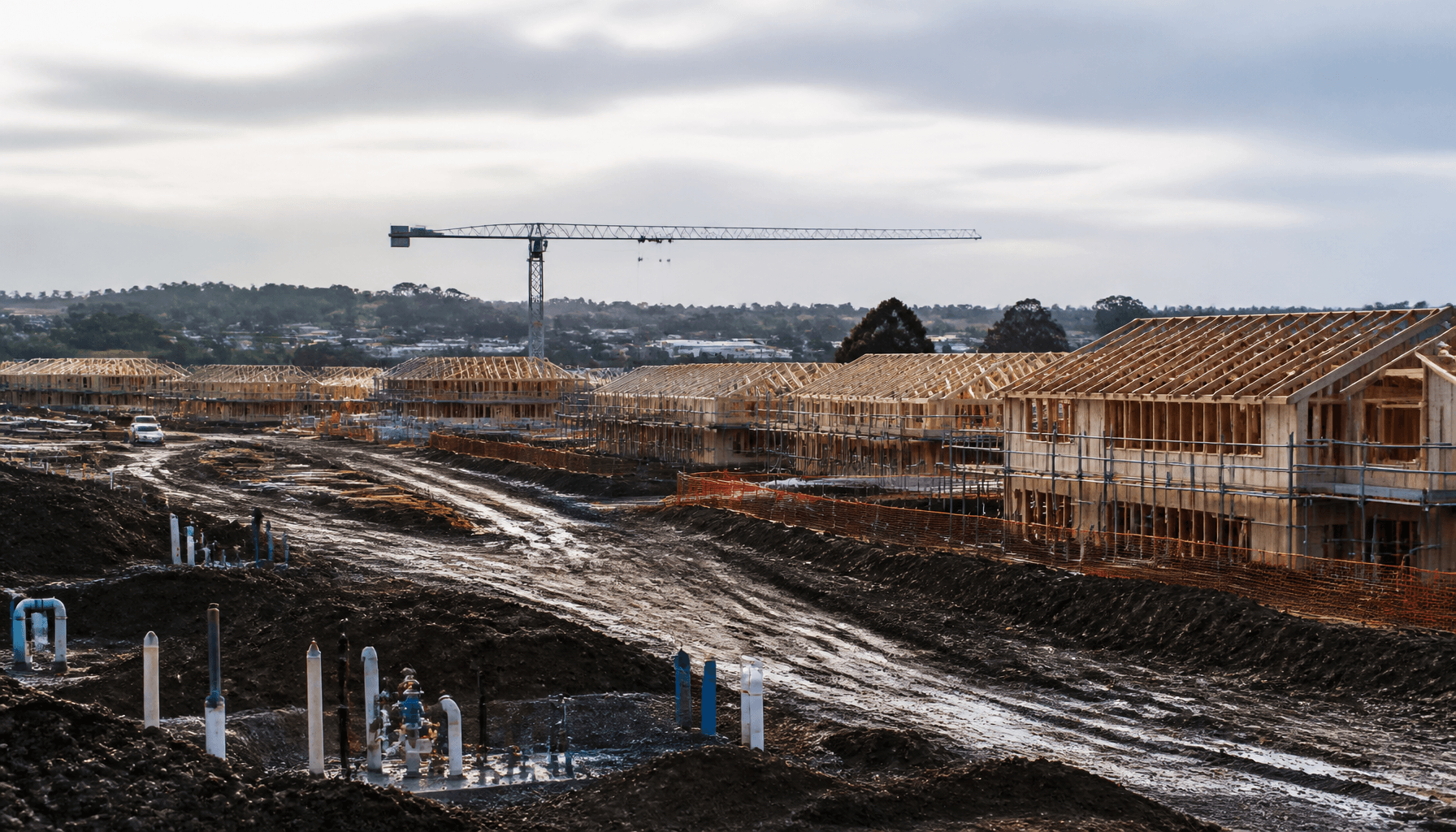
AI illustration of a sovereign wealth fund's long-term investment horizon, used here to illustrate the NZSF's extended pre-funding window to 2054 under the BEFU 2026 contribution model.
NZ Superannuation Expenditure Forecast
Rapid cost growth reflects an ageing population and universal NZS entitlement.
Finance Minister Nicola Willis said the higher contributions reflect the formula response to updated inputs.
The contributions add to gross debt but are excluded from OBEGAL and the Budget capital allowance.
The public Excel model and companion NZSF Model Guide 2026 are available on the Treasury website for external scrutiny.
The first withdrawals are now pushed out by more than two decades compared with earlier forecasts that pointed to drawdowns around 2028–2031. With NZS costs projected to keep rising as a share of GDP in the decades ahead, the extended pre-funding window is designed to reduce the future tax burden on working-age New Zealanders as the dependency ratio rises.