Treasury Advances Public Investment Oversight Reforms
The Treasury released its July 2026 Strengthening Investor Assurance newsletter on 17 July 2026. The update details concrete progress on five Cabinet-agreed changes to New Zealand's Investment Management System.
Auckland’s potential $5 billion Fast-track infrastructure exposure and 16,270 wrongly suspended Winter Energy Payments have become the first real-world stress tests of the Regulatory Standards Act 2025.
Cabinet’s Economic Policy Committee has formally authorised public consultation on a prudential levy to shift Reserve Bank supervision costs onto banks, insurers and market infrastructure operators from 2027/28.
Cabinet has agreed in principle to three shifts in public performance reporting sought by the Finance and Expenditure Committee, while parking detailed design and costings until 2027.
The Treasury released its July 2026 Strengthening Investor Assurance newsletter on 17 July 2026. The update details concrete progress on five Cabinet-agreed changes to New Zealand's Investment Management System.
These changes respond to recommendations 7, 8 and 9 of the National Infrastructure Plan released in February 2026. Cabinet agreed to the measures on 7 April 2026.
The reforms target long-standing gaps in information quality for Ministers on asset condition, forward plans, project assurance and agency performance.
Key Milestones Reported
Six Fitness Assessments have been completed. Two more are due in August 2026. The standardised two-page tool consolidates project details, fiscal implications and strategic context for Cabinet business cases.
Te Waihanga will assume coordination of infrastructure assurance from 1 November 2026. Treasury retains policy leadership and handles non-infrastructure investments.
The Five Cabinet Changes
Cabinet approved five measures in April 2026. They include a new investor-focused Investment Decision Assurance policy. This consolidates elements of Gateway reviews and the Infrastructure Priorities Programme.
A standardised Fitness Assessment tool supports better business cases. Greater oversight comes through the Infrastructure and Investment Ministers Group for high-profile high-risk investments and long-term investment plans.
New assurance functions for asset management and long-term investment plans are under development. Policy consultation is planned for August 2026.
The Cabinet Office circular CO (23) 9 refresh is deferred to June 2027.
Spending Context and Efficiency Goals
New Zealand faces a $60 billion infrastructure pipeline over the next four years. Budget 2026 added a net $5.7 billion in new capital spending.
The country spends 5.5 to 5.8 per cent of GDP on infrastructure annually. This rate ranks among the highest in the OECD. Yet efficiency and asset management outcomes lag.
Gateway reviews average 50 per year. Demand now exceeds 75. The Infrastructure Commission's Infrastructure Priorities Programme completed 48 assessments in its first year.
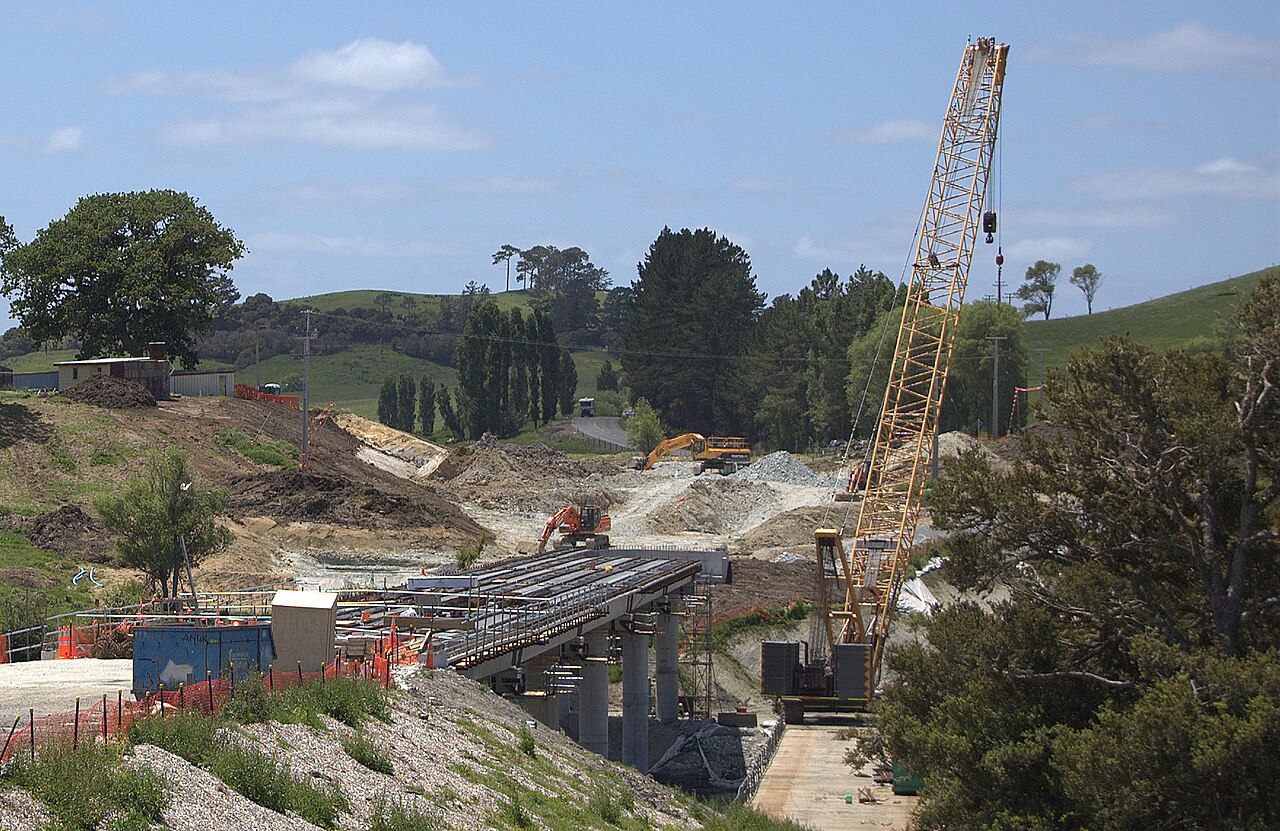
New Zealand infrastructure projects such as this bridge construction in Matakohe will face stronger pre-Cabinet scrutiny under the reformed Investment Decision Assurance policy, with Te Waihanga taking coordination responsibility from 1 November 2026.
Reducing Duplication
Current tools include agency peer reviews, Gateway reviews, Infrastructure Priorities Programme assessments, Treasury Vote assessments and ad-hoc advice. These have produced duplication and inconsistent outputs.
The new framework aims to deliver consistent, investor-focused assurance. It draws on models including New South Wales.
Six capital-intensive agencies have already produced long-term infrastructure plans since November 2023.
Upcoming Steps
Consultation on the draft Investment Decision Assurance policy runs through early August 2026. Cabinet committee endorsement is targeted for 15 September 2026.
Transition planning for Gateway reviews continues through December 2026. Multiple stakeholder meetings are scheduled through September.
These steps support stronger pre-Cabinet scrutiny of major investments and better tracking of delivery performance.
The changes emphasise soft policy levers and phased implementation. They seek to lift project selection, reduce waste and improve value for money from public capital.