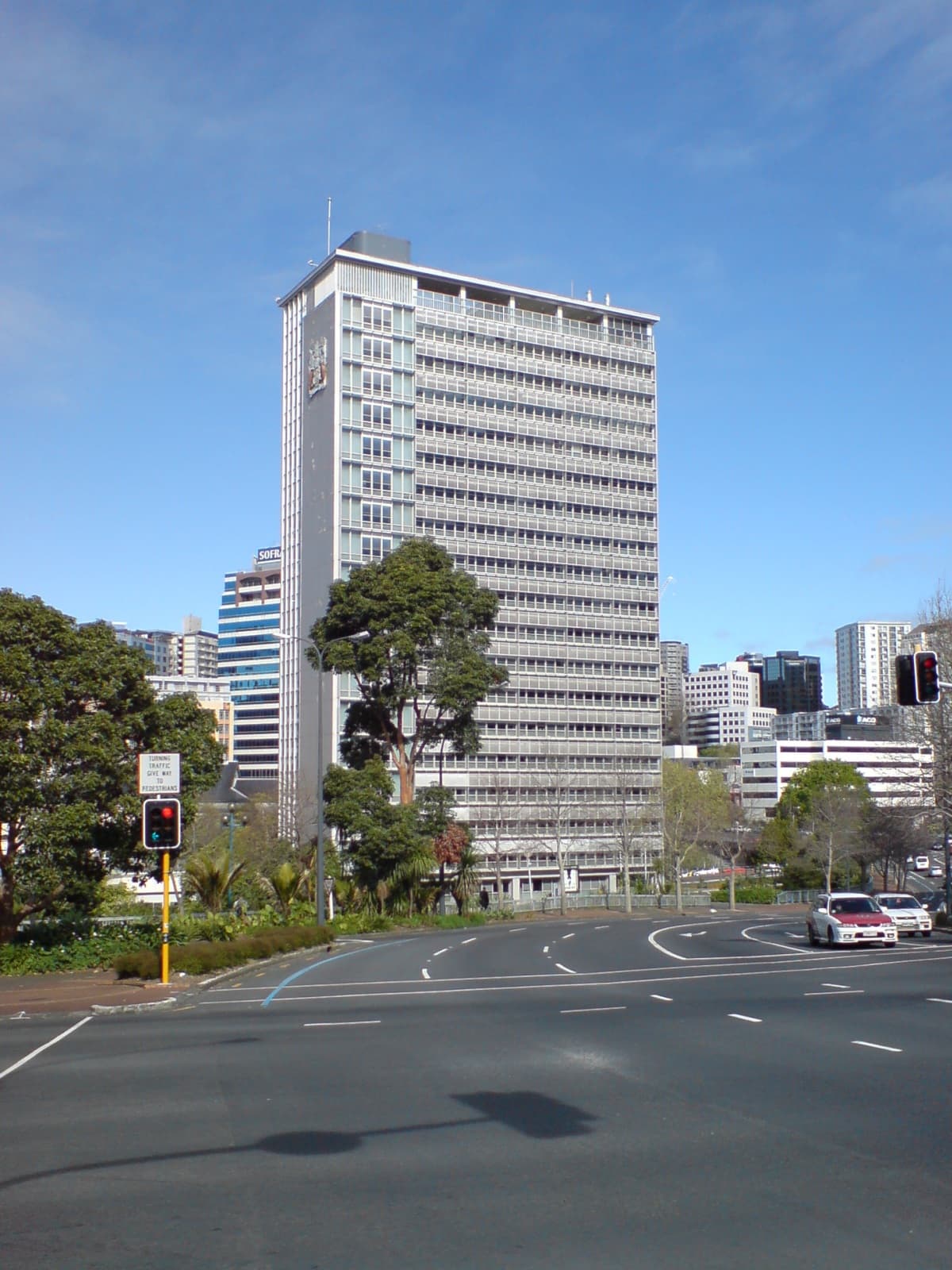
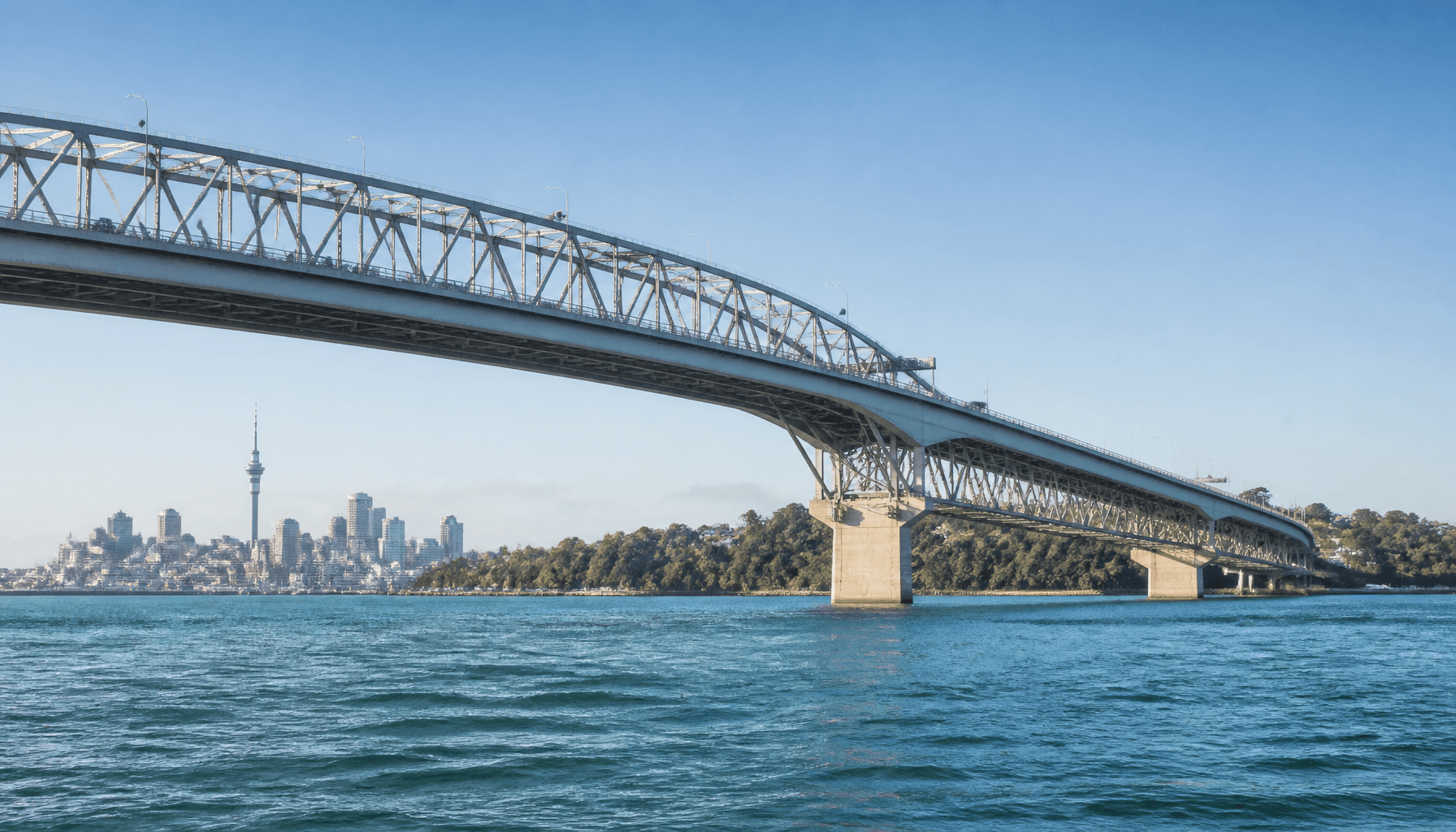
Cabinet has pulled the additional Waitematā Harbour Crossing under direct Crown control and ordered an independent detailed business case, deferring any preferred option until funding, financing and delivery are settled against a tight balance sheet.
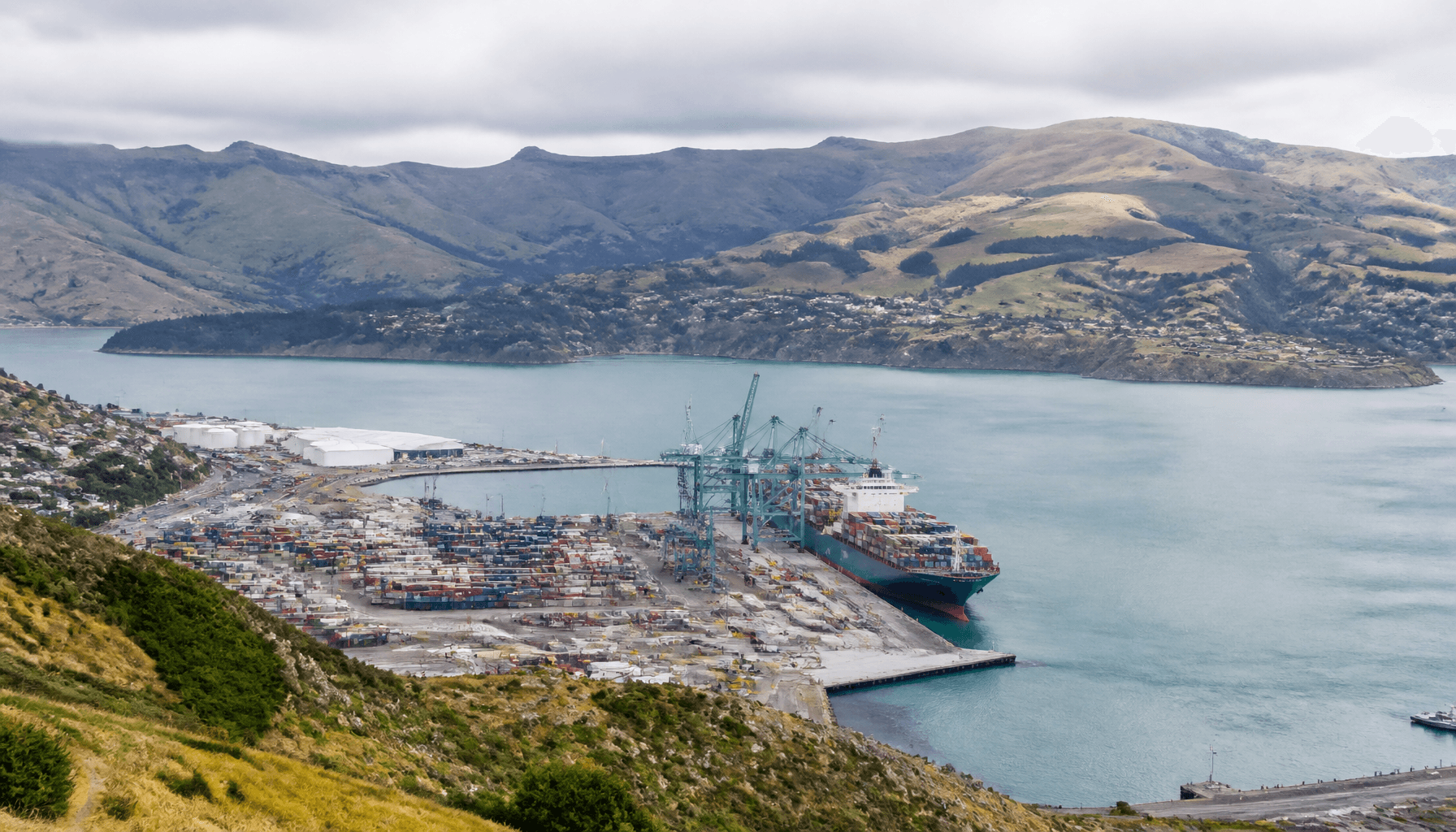
Christchurch City Holdings is committing about $300 million of public capital to an $821 million Lyttelton container expansion after rejecting a DP World–rūnanga operating lease, pairing seismic resilience with a prospective bet on dual large-ship berths and design capacity near 850,000 TEU by 2031.
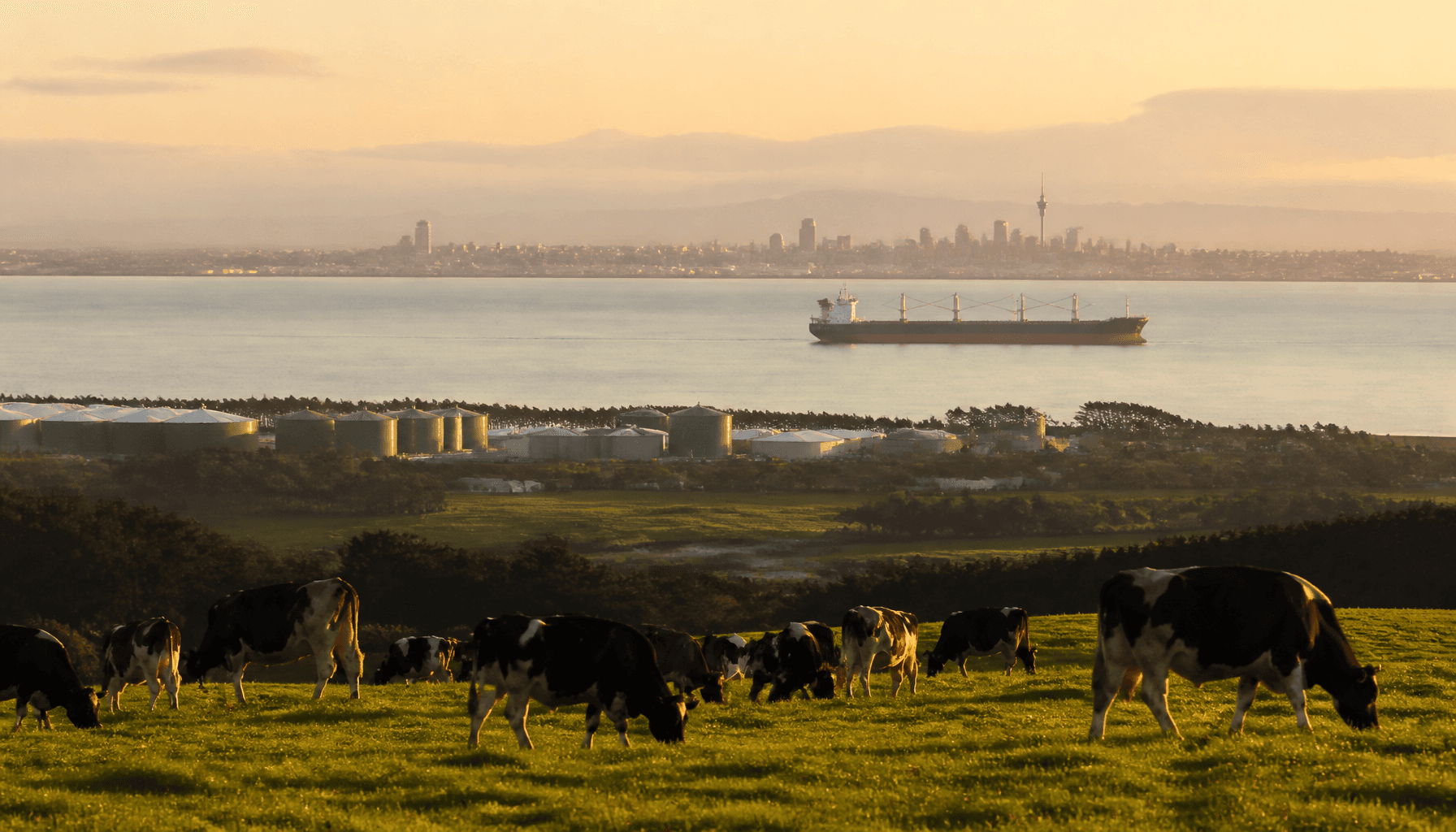
New Zealand’s recovery is real in soft indicators and South Island export cash-flow, yet annual CPI at 4.1% and unemployment at 5.6% leave the RBNZ removing stimulus into spare capacity—and the pain is not evenly shared.
Auckland Council expects additional costs of up to $50 million in the 2026/27 financial year from elevated fuel prices triggered by the Iran conflict.
The council and its council-controlled organisations have reviewed impacts on bus, ferry and rubbish truck contracts. Adjustments will occur through the Annual Budget and Long-term Plan processes.
Greater Wellington Regional Council has recorded contract cost escalations as high as 23 percent on open agreements. Queenstown Lakes District Council has slowed a land remediation project amid expected 5 percent cost increases.
Fuel Price Transmission
Stats NZ data show fuel expenditure rose 17 percent in March 2026. The average petrol price increased about 40 percent in four weeks to $3.42 a litre. Diesel prices nearly doubled to about $3.43 a litre.
Jet fuel reached $160 to $230 per barrel in the last 10 weeks, compared with $85 to $90 before the conflict.
NZ retail fuel prices: pre-conflict vs post-conflict
Approximate retail prices at the pump in Auckland; diesel rose from around $1.87 to $3.81 per litre between late February and early April 2026.
Infometrics projects consumer price inflation at 4.8 percent this quarter due to higher fuel prices. The forecast assumes 3.9 percent by March 2027 even if prices ease later.
Westpac and other forecasters warn of 4.3 percent inflation by mid-year. This outlook delays rate-cut expectations and keeps borrowing costs elevated.
Government Response
According to official records, the government released six days' worth of petroleum reserves on 12 March, following a global directive by the International Energy Agency to release 400 million barrels. It announced on 24 March that about 143,000 working families with children would receive a $50-per-week fuel tax credit from 7 April.
Finance Minister Nicola Willis has said, as reported by The Post, that the government has carefully provisioned funding for potential price spikes in fuel, plastics and other inputs in Budget 2026.
Ratepayer and Project-Delay Implications
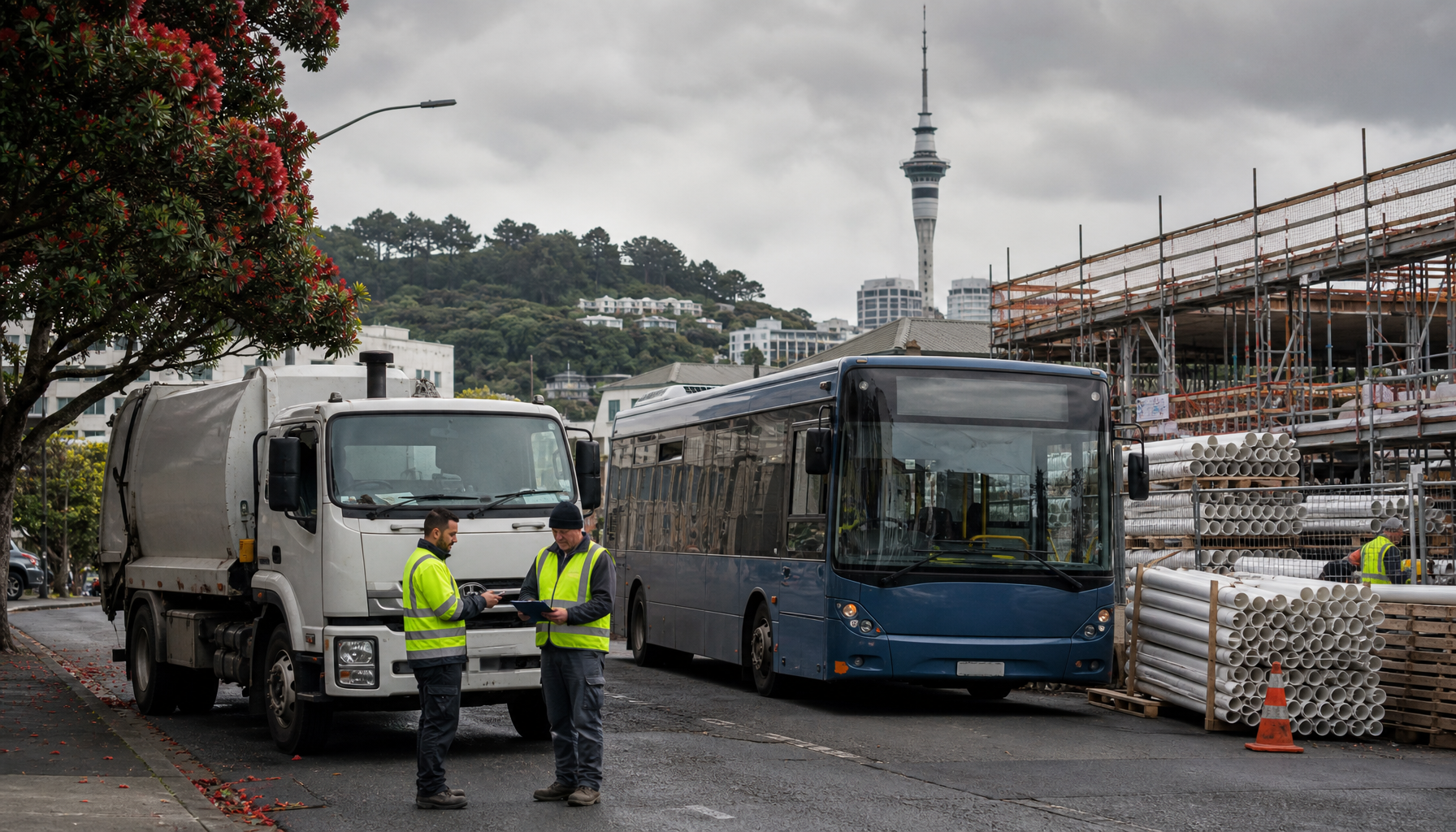
AI illustration of New Zealand council fleet vehicles and a construction site, used here to illustrate the fuel and materials cost pressures now hitting Auckland, Wellington and Queenstown councils.
Higher council costs translate into rates pressure. Many households already face petrol prices above $3.40 a litre.
Construction costs are rising. PVC pipe prices have increased nearly 30 percent due to supply chain pressure.
Under NZS 3910, contractors may claim extensions of time for fuel supply disruptions.
Budget 2026 Provisioning and Rates Timeline
Treasury has signalled provisioning for price spikes in the upcoming Budget. These measures do not directly offset operating and capital cost overruns facing territorial authorities.
Councils set rates in the coming months. Ratepayers in Auckland, Wellington and Queenstown will see the first effects in the 2026/27 financial year.