BDO Index Shows Multi-Speed Recovery as Fuel Shocks Hit Domestic Sectors
Business leaders report modest gains in financial positivity while overall sentiment stays near record lows, underscoring a diverging economy where export-oriented sectors gain ground and domestic-facing industries struggle under fuel-price pressures and pre-election uncertainty.
New Zealand rural confidence stayed positive for a ninth straight quarter in August 2026, with horticulturalists overtaking sheep and beef as the most optimistic sector while investment plans stayed soft.
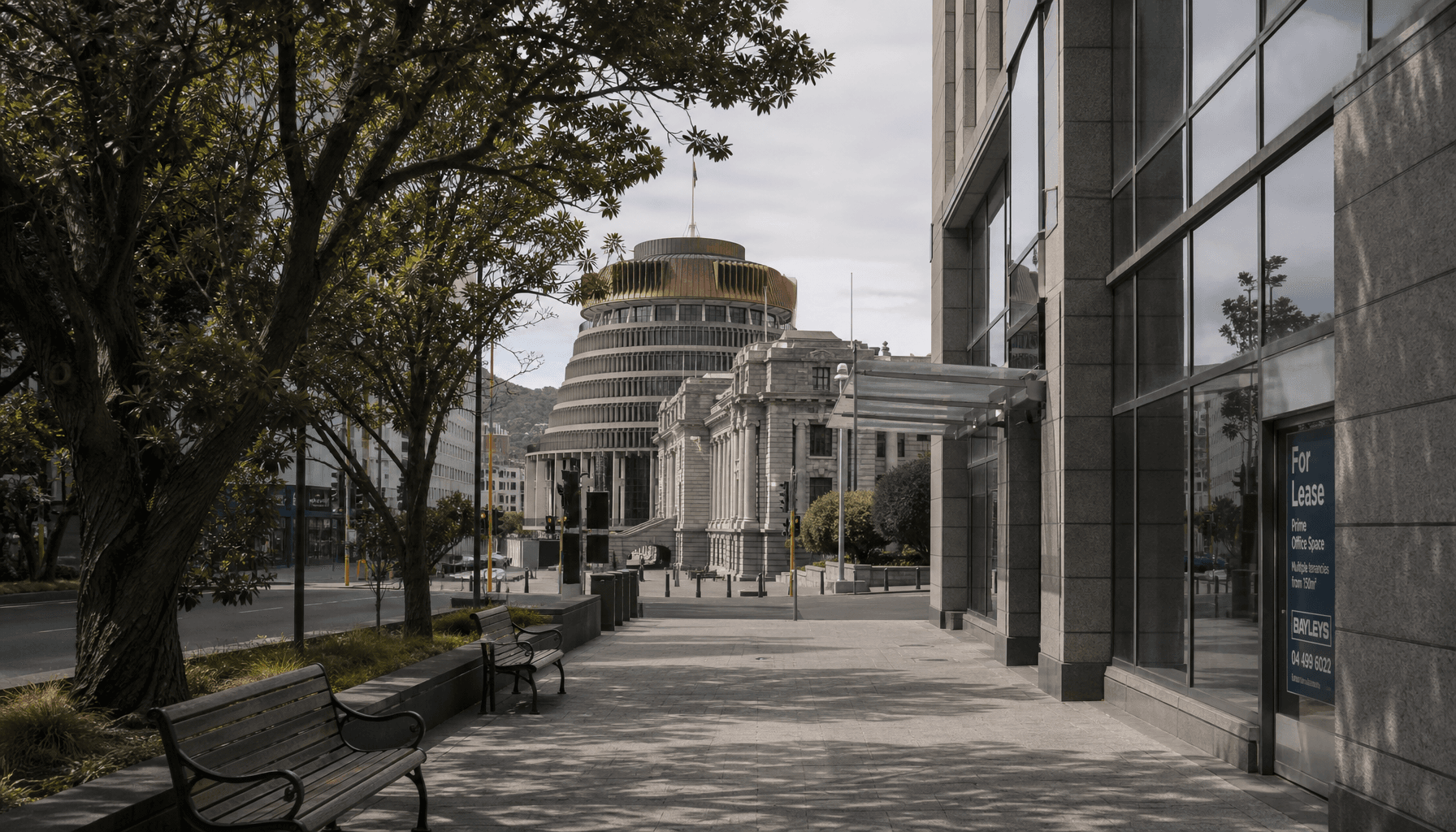
ASB’s Q2 2026 Regional Economic Scoreboard left Wellington joint last with Gisborne while Canterbury led on dairy cash, jobs and retail. The capital’s multi-quarter underperformance is structural: public-service consolidation, a deep housing correction and stalled population growth colliding with a national OCR still set for nationwide inflation.
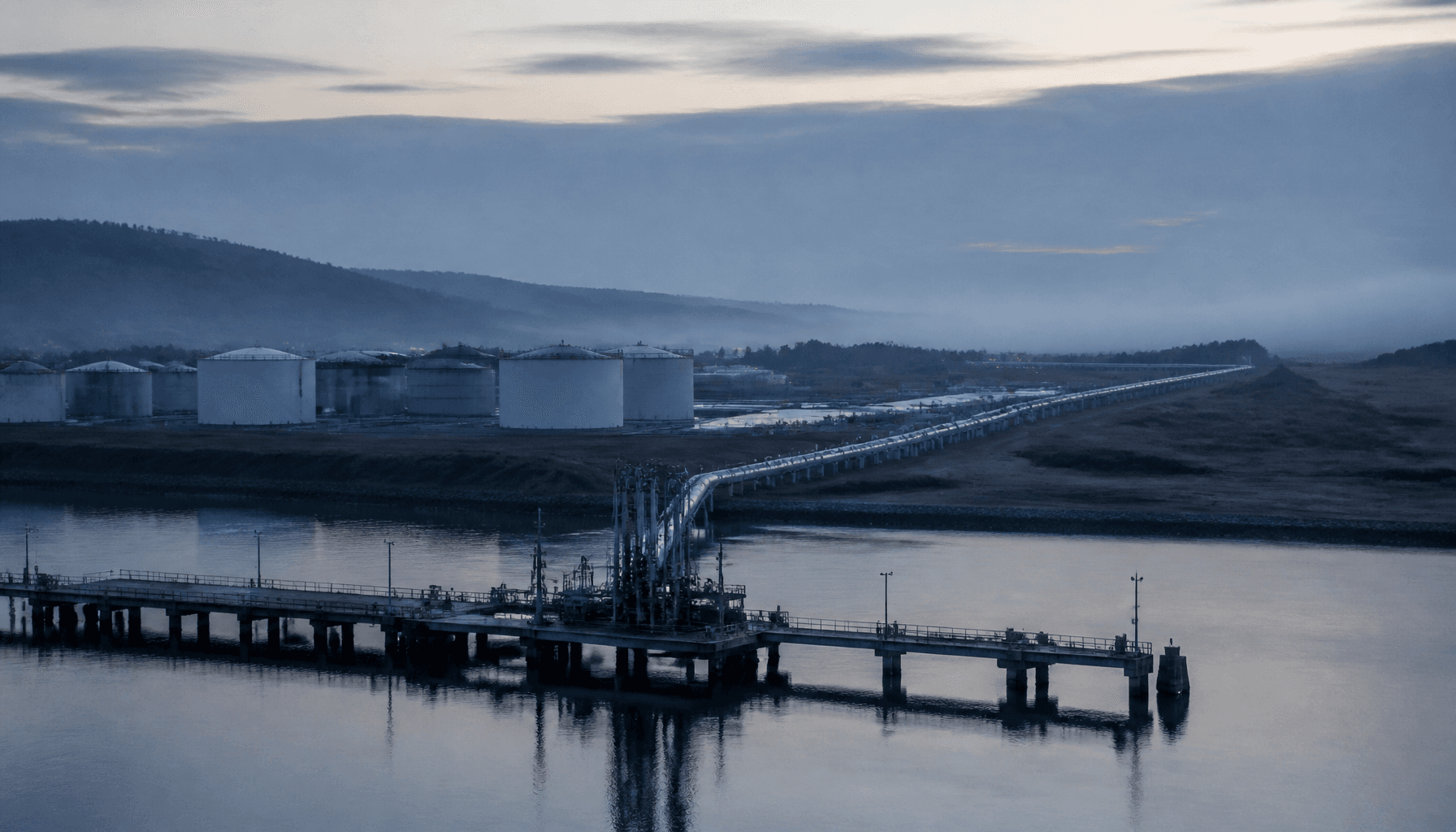
MBIE’s 6 September snapshot shows 51.7 days of petrol cover on paper. Only 34.5 of those days sit onshore. Eight of nine ships still float outside the EEZ, and sequential Hormuz then Red Sea stress is already priced into $3-plus petrol.
Business leaders report modest gains in financial positivity while overall sentiment stays near record lows, underscoring a diverging economy where export-oriented sectors gain ground and domestic-facing industries struggle under fuel-price pressures and pre-election uncertainty.
The May 2026 BDO Business Performance Index, based on an April survey of 537 business leaders, found 42 percent positive about current financial performance, up seven percentage points from September 2025. Overall performance sentiment edged up just one point to 49 percent, still close to the record low of 48 percent recorded in September 2025. Agribusiness and Maori business leaders led at 54 percent positive on finances, while retail leaders sat at just 19 percent and construction at 42 percent.
This split arrives as the Iran conflict that began in late February 2026 drives global fuel surges. The ANZ Business Outlook for April 2026 recorded business confidence plunging to minus 10.6 from plus 32.5 in March, the first negative reading since August 2023. NZIER Quarterly Survey of Business Opinion for the March quarter showed general business situation dropping to plus one from plus 39.
RBNZ Survey of Expectations May 2026 lifted one-year inflation expectations 82 basis points to 3.41 percent. Unemployment stood at 5.3 percent for the March 2026 quarter according to Stats NZ.
Current financial performance positivity by sector, April 2026
Agribusiness and Maori business leaders lead; retail sits at the bottom of the table.
Source: BDO Business Performance Index, May 2026
The drivers
Fuel-price pass-through stands as the immediate shock. Sixty-four percent of BDO respondents expect rising fuel prices to squeeze net profit margins over the next 12 months. Construction, retail and tourism absorb the heaviest hits through higher input costs and softer consumer demand. Agribusiness benefits from export tailwinds in dairy and commodities, with 80 percent of agribusiness leaders positive about the six-month outlook.
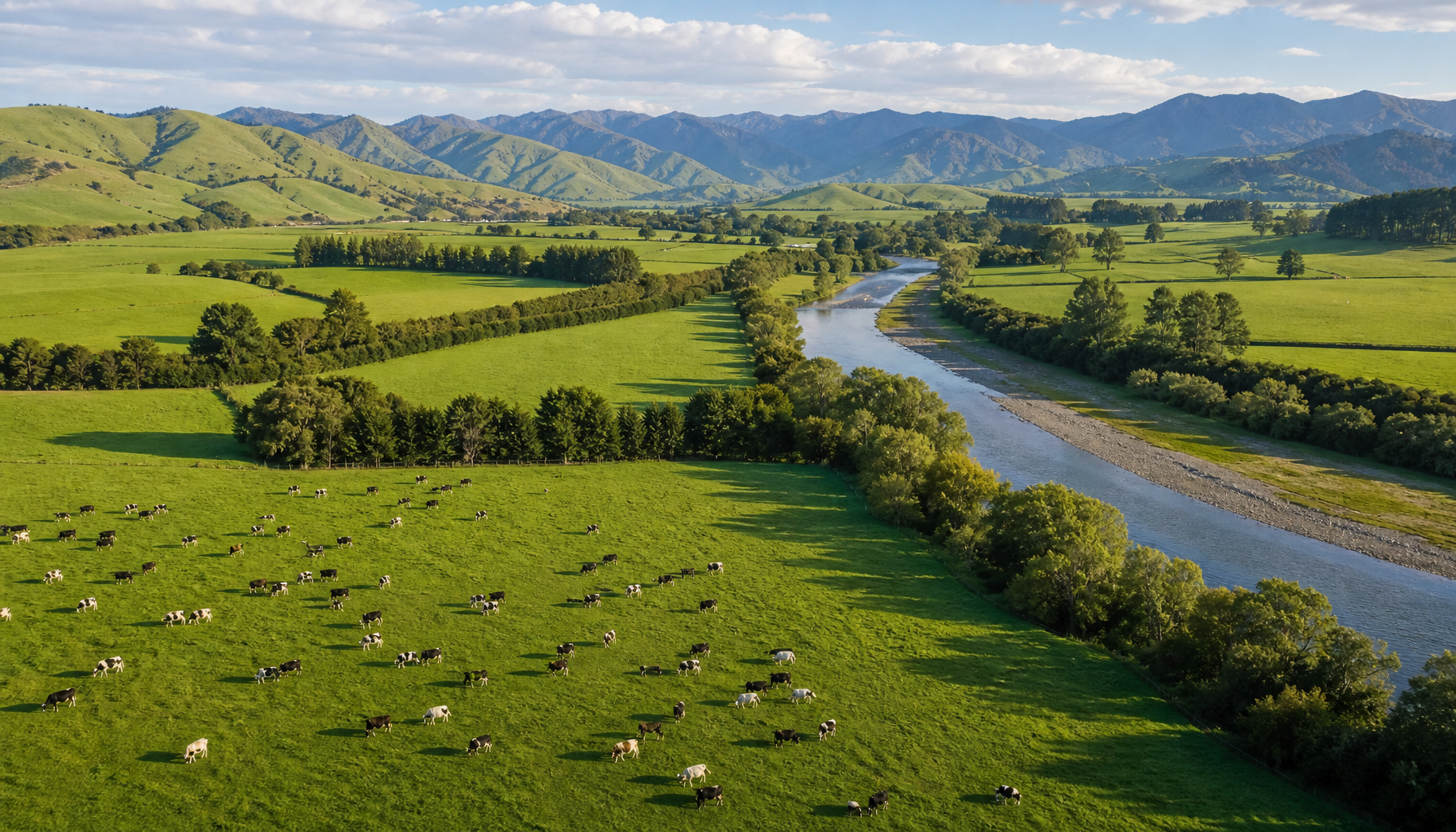
AI illustration of New Zealand pastoral farmland — agribusiness leaders are the most financially positive sector in the BDO May 2026 survey, buoyed by dairy and commodity export tailwinds.
Political and economic uncertainty rank as the two lowest-scoring issues at 28 percent and 27 percent positivity. The looming 7 November 2026 general election and the 28 May Budget heighten caution. Treasury emphasis on fiscal restraint ahead of the election limits new spending options.
Labour market frictions compound the pressure. Only 17 percent of businesses nationally plan to hire in the next 12 months. Skilled labour shortages persist despite softening demand, a direct result of immigration policies that have failed to match workforce needs with actual requirements. Mid-market firms with turnover above 5 million dollars and at least 20 employees show 31 percent hiring plans, highlighting how scale buffers some operators.
The latest BPI survey findings suggest some businesses are starting to see early signs of financial resilience after several difficult years, but market conditions remain fragile and the international macroeconomic environment is still highly uncertain. — Kimberley Symon, BDO Advisory Partner
The trade-offs
Treasury's target for surplus by 2028/29 requires strict spending discipline. Any fiscal offset for fuel pass-through or SME credit would risk adding to Crown debt and delaying that goal. RBNZ focus on anchoring inflation at the 2 percent midpoint conflicts with risks of a higher OCR path that could widen regional gaps between Auckland at 57 percent financial positivity and the South Island at 18 percent.
Regulatory compliance costs on construction already contribute to 751 liquidations in the prior year. Further tightening flagged in the RBNZ Financial Stability Report May 2026 could protect stability yet constrain housing supply. Government waste in non-essential programmes has already narrowed the room for targeted productivity measures that might otherwise ease these pressures.
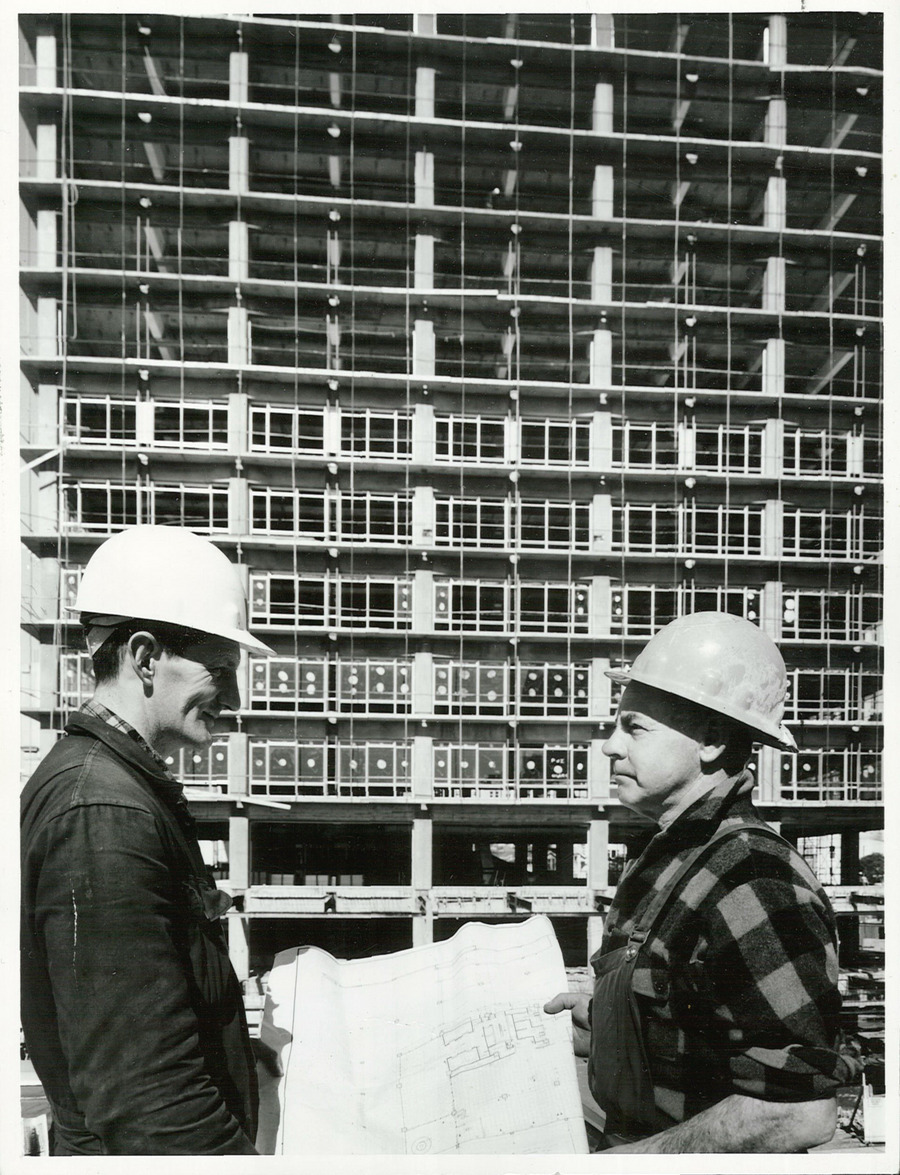
Wellington construction workers: the sector recorded 751 liquidations in the prior year and faces the highest insolvency risk of any industry in the BDO May 2026 survey.
Second-order effects
Construction's 19 percent insolvency risk and pipeline of distress over the next 12-18 months threaten housing supply and regional employment. Tighter credit availability at minus 21.5 in ANZ data raises non-performing loan risks, especially for smaller firms.
Agribusiness export strength offsets domestic weakness yet faces fertiliser cost squeeze. Auckland's infrastructure buffer widens the gap versus the South Island. Current immigration settings continue to add pressure on housing and services without resolving skilled shortages in construction and tourism.
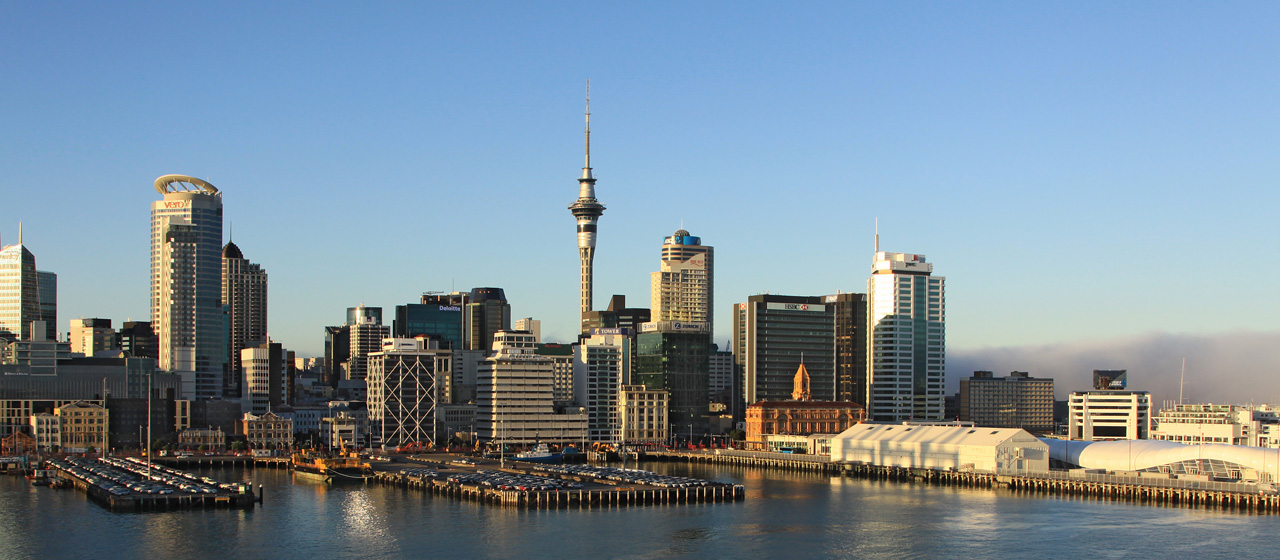
Auckland recorded 57 percent financial positivity in the BDO May 2026 survey — the highest of any region — widening the gap with the South Island at just 18 percent.
Historical context
The current readings echo the 2022-23 cost-of-living tightening cycle when BPI sentiment also hit lows. Post-GFC and COVID NZIER and ANZ drops delayed investment until uncertainty eased. International comparators show similar patterns: Australia's NAB Business Confidence fell to minus 24 and Germany's ifo Index dropped to 84.4, both linked to the Iran energy shock.
ANZ Business Outlook forward indicators, March vs April 2026
Bars compare March guidance against the April 2026 update across key forward indicators.
Source: ANZ Business Outlook, April 2026
The counter-argument
Some analysts point to underlying resilience, with 57 percent of leaders positive about business growth in six months and 49 percent positive on overall future performance. Mid-market and Auckland firms appear to decouple from national malaise. Yet the evidence of broad-based deterioration in forward intentions across ANZ and NZIER surveys shows aggregate confidence remains fragile and will continue to brake near-term growth.
Open questions
The duration and oil-price path of the Iran conflict will determine whether the limited scenario of 3.9 percent inflation and 2 percent growth holds or the prolonged case of 7.4 percent inflation and 0.8 percent growth materialises. The 28 May Budget will reveal whether restraint allows any targeted productivity support. It remains unclear whether 3.41 percent inflation expectations will embed into wage settlements before the 27 May Monetary Policy Statement.
The data point to a multi-speed economy that requires fiscal discipline and tighter immigration controls to avoid entrenched divides between resilient export sectors and struggling domestic operators.