Rural confidence holds for ninth quarter as horticulture leads
New Zealand rural confidence stayed positive for a ninth straight quarter in August 2026, with horticulturalists overtaking sheep and beef as the most optimistic sector while investment plans stayed soft.
ASB’s Q2 2026 Regional Economic Scoreboard left Wellington joint last with Gisborne while Canterbury led on dairy cash, jobs and retail. The capital’s multi-quarter underperformance is structural: public-service consolidation, a deep housing correction and stalled population growth colliding with a national OCR still set for nationwide inflation.
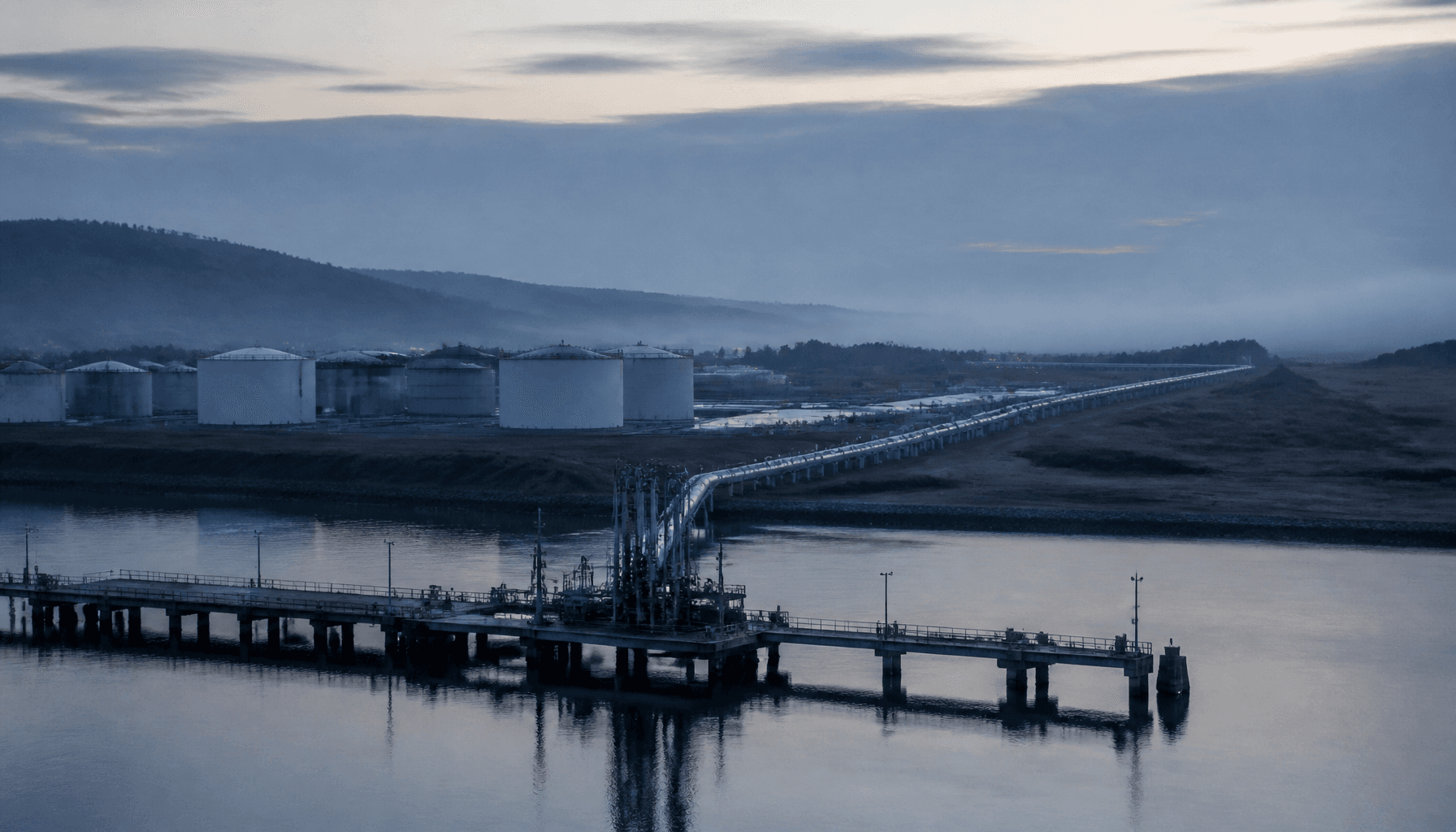
MBIE’s 6 September snapshot shows 51.7 days of petrol cover on paper. Only 34.5 of those days sit onshore. Eight of nine ships still float outside the EEZ, and sequential Hormuz then Red Sea stress is already priced into $3-plus petrol.
Higher distribution and transmission charges accounted for 54% of the 6.8% average power-price rise for households and small businesses in the first half of 2026, Electricity Authority retailer data show, as Commerce Commission revenue paths and a multi-decade electrification bill keep network costs rising.
Rural confidence among New Zealand farmers held in positive territory for a ninth consecutive quarter in August 2026, according to Rabobank's Rural Confidence Survey of 450 farmers run with KANTAR.
Just over half of respondents expected agri-economic conditions to stay the same over the year ahead. About 30% expected improvement and 16% expected a downturn — a split almost identical to the May 2026 print, when net confidence was +14 percentage points.
Rabobank chief executive Todd Charteris said the result reflected durable support from commodity prices and overseas markets, and that the positive reading was consistent across the main commodities.
The standout shift was sector leadership. Horticulturalists ranked as the most optimistic about their own businesses, overtaking sheep and beef farmers who led in May, followed then by dairy then horticulture.
Horticulture's export story
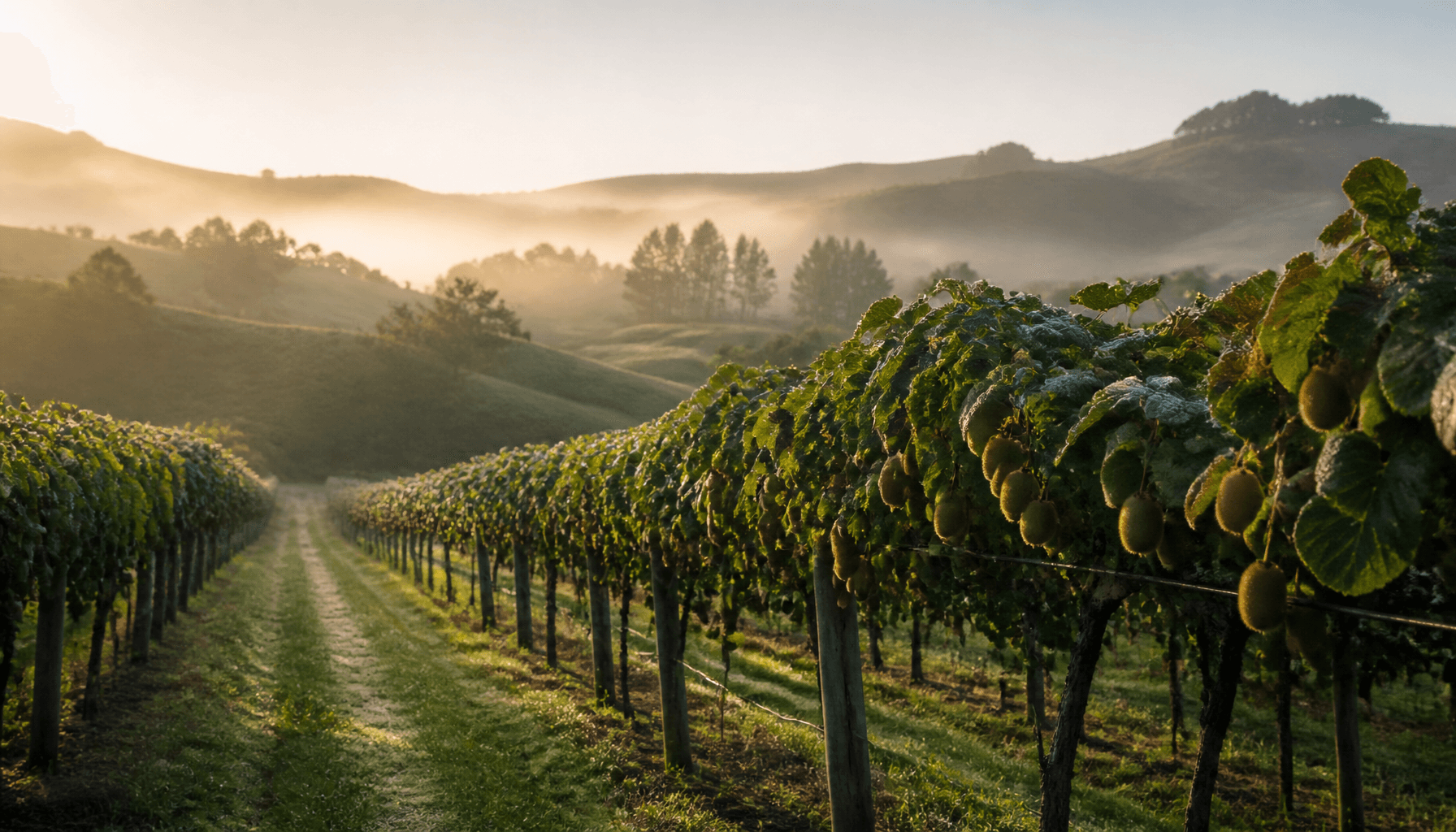
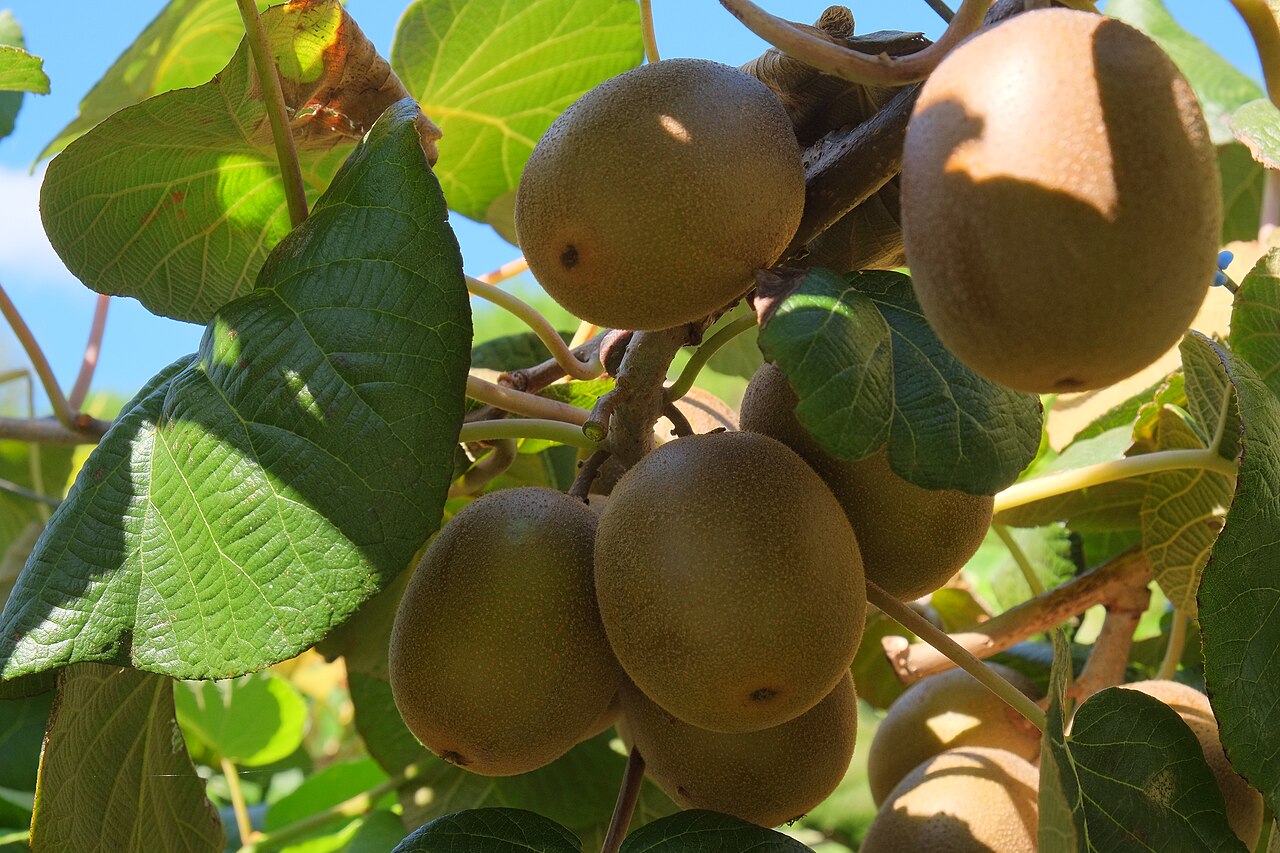
That flip tracks a strong horticulture export story. Zespri reported record global sales of NZ$3.13 billion for the 2025/26 kiwifruit season, with 185 million trays sold and China sales up 42% year on year.
Horticulture, led by kiwifruit exporters, overtook sheep and beef as the most confident farming sector in Rabobank's August 2026 survey.
Farmers citing a positive outlook pointed to rising commodity prices, overseas markets and demand. Those expecting worse conditions named rising input costs — including fuel and fertiliser — overseas markets and drought.
Input costs have gone up, as we know, fuel, fertiliser. The challenges with the Middle East conflict and the uncertainty that's providing around those input costs is certainly driving some of that pessimism that is there. We have seen a structural shift in in the underlying cost structures and that's a bit of a concern for our farming clients.
Charteris linked Middle East conflict uncertainty to input-cost pessimism and said farm cost structures had undergone a structural lift that clients must budget for even when payouts are solid.
He said slowing global dairy production growth and restrained global beef and sheepmeat supply should support firm New Zealand dairy and red meat prices over the short-to-medium term, with the pricing outlook for key horticultural products also optimistic.
Investment intentions stay soft
Investment intention remained the soft spot. Thirty percent of farmers planned to invest this year — matching May and down from 38% earlier in 2026. Planned spend centred on farm infrastructure, then plant, machinery and livestock.
A softer NZ dollar has supported export conversion. NZD/USD recently traded near 0.57, with a 52-week high near 0.61 and a low near 0.56, lifting New Zealand-dollar returns on US-dollar-denominated commodity invoices.
Retail petrol near about $3.25 a litre in mid-September 2026, amid renewed Middle East oil-price risk, underscored the cost pressure farmers flagged in the survey.
A cross-check on the cash side
Federated Farmers' July 2026 survey of 634 farms offered a cash-side cross-check. It found 68% of farmers profitable — a decade high — led by meat and wool then dairy, while one in four arable farms made a loss. Average expected profit was about $171,000 against average costs near $644,000, with costs up 2.9% year on year. Fifty-nine percent expected profits to rise over the next 12 months.
Views on the 19 September 2026 general election were mixed. Just under half of Rabobank respondents expected a significant or very significant impact on their business, versus about 40% expecting no, minor or moderate impact.
What it means for provincial New Zealand
For provincial New Zealand, steady farmgate confidence supports wages, contractors and bank credit quality across dairy, red meat and horticulture regions. Soft capex intent means slower near-term demand for rural construction, irrigation and machinery until cost and policy fog clears.
Over the next 6–18 months, firm dairy and red-meat prices plus strong horticulture demand should keep supporting regional activity and goods exports if weather cooperates and energy prices do not spike further. Clarity after the election and a path for fertiliser and fuel costs remain the main catalysts for any rebound in on-farm investment.