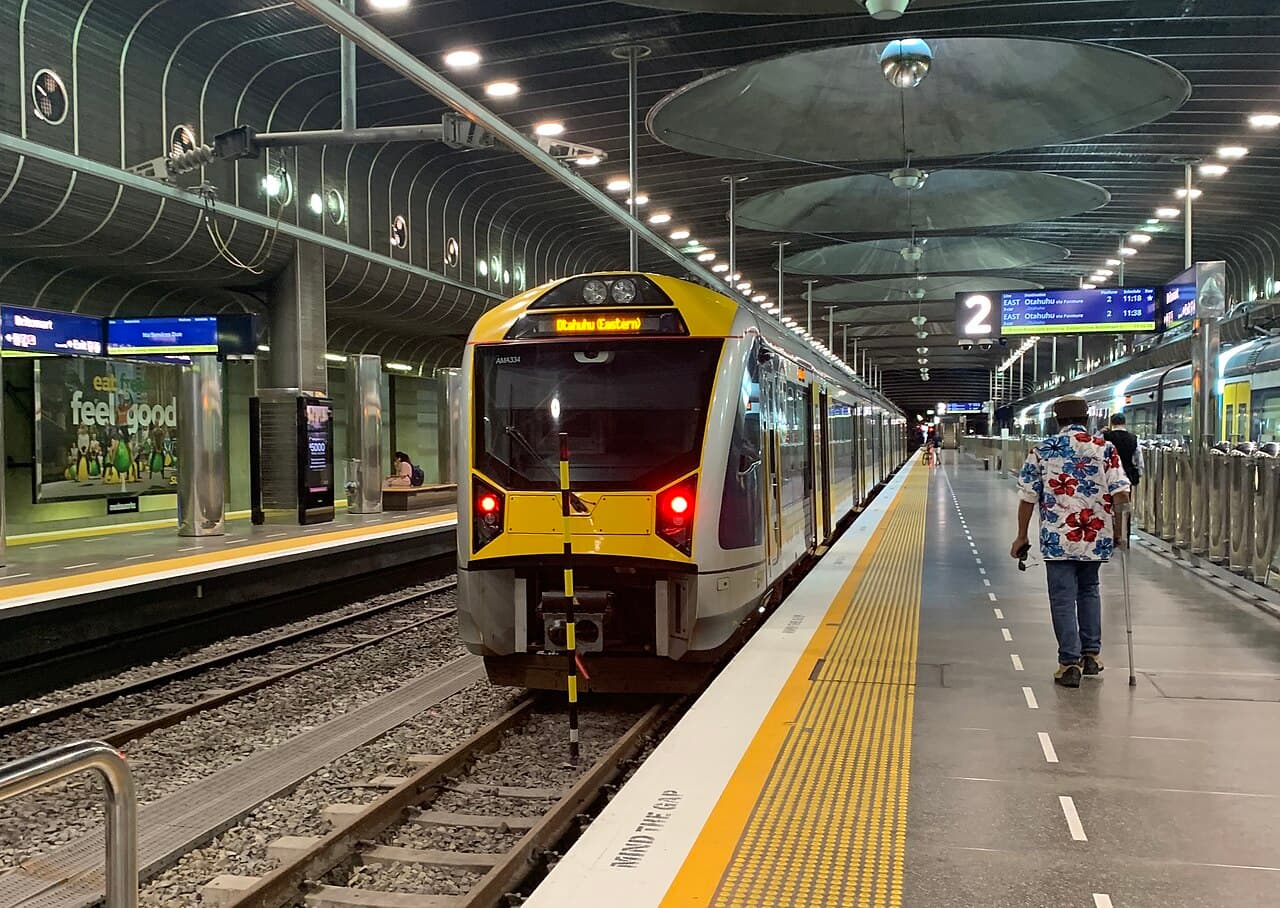
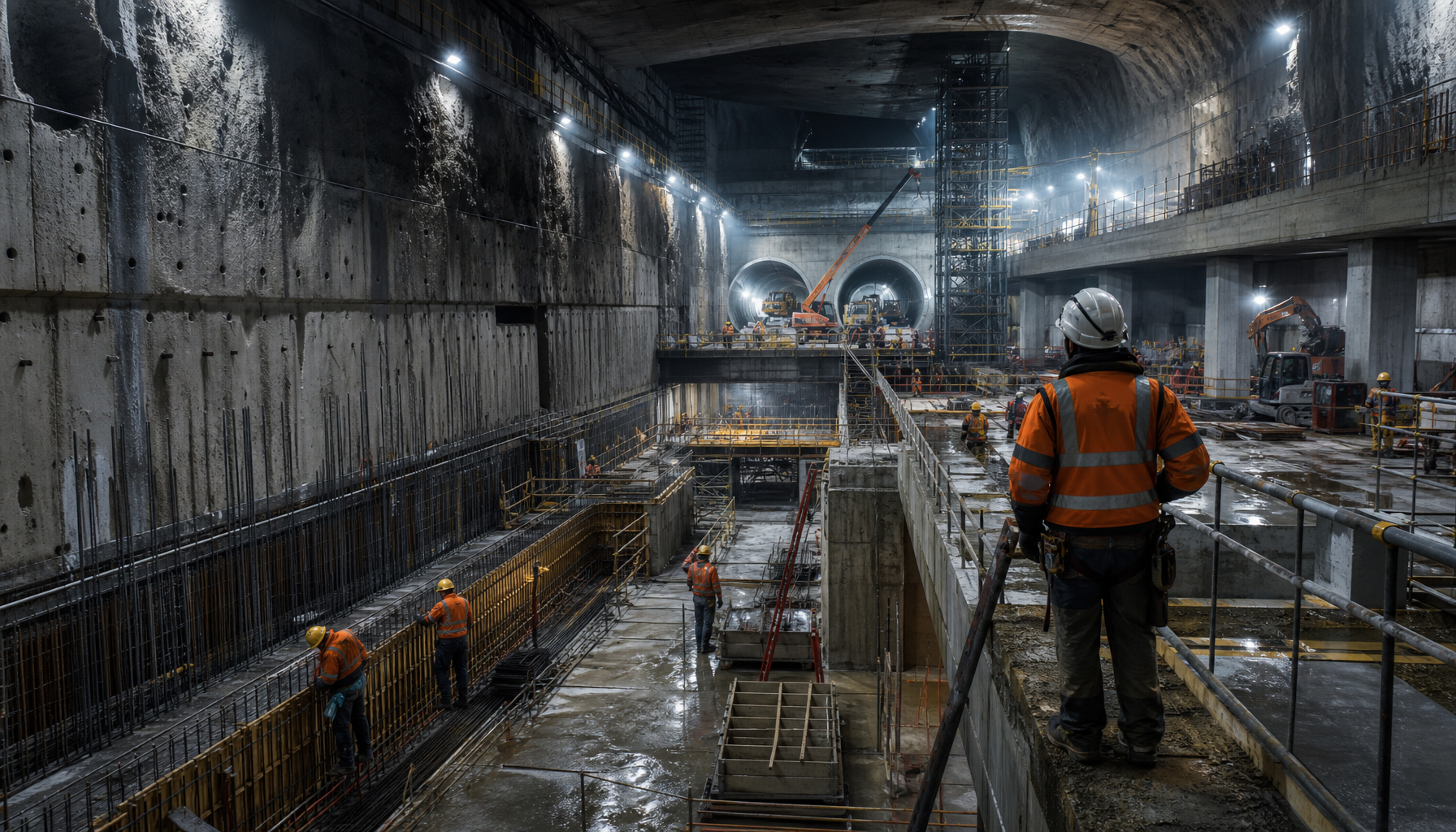
Auckland's City Rail Link will carry its first paying passengers in the third or fourth week of July 2026 after safety testing ends in early June.
Testing Milestones Set for June
Exhaustive technical and safety testing on the City Rail Link concludes in the first week of June 2026. Staff notification rules then push the passenger opening back six to eight weeks.
Emergency response exercises with more than 300 proxy passengers take place on 23 May and 6 June. One exercise will simulate a train evacuation.
Timetable trials in April already proved the service works after earlier congestion problems were fixed. The network closes again over King's Birthday weekend for final KiwiRail upgrades.
Cost Escalation Tops $3 Billion
The 2015 business case set the escalated capital cost at $2.5 billion. The approved figure rose to $3.4 billion by 2017 and reached $4.419 billion in 2019.
The latest published total stands at $5.493 billion. That represents a $1.074 billion increase from the 2019 baseline and more than double the original 2015 estimate.
Auckland Council contributes $2.75 billion under the 50/50 funding split with the Crown. Wider network upgrades required to make the line operational add another $1.11 billion.
Former CRL chief executive Sean Sweeney told the NZ Herald in May 2026 that the project was over-specced. He said it could have been delivered for roughly half the final cost with simpler station designs and less gold-plating.
Pat Brockie, Sweeney's successor and long-serving CFO, attributed the increases to expanded train capacity from six to nine carriages, stations added in 2019, pandemic delays, supply-chain disruption and workforce sickness in 2023.
"For someone who was paid $940,000 a year when he left to say he was not experienced and would have saved us $2 billion a year, if only he knew... I feel totally furious that someone could be part of this project for six or seven years and then jump out and… How do you hear that, and know that that's not true?" — Councillor Richard Hills
The Taxpayers' Union wrote to Infrastructure Minister Chris Bishop in May 2026 calling for a formal inquiry into the cost control failures.
$235 Million Annual Operating Costs Drive Rates Rise
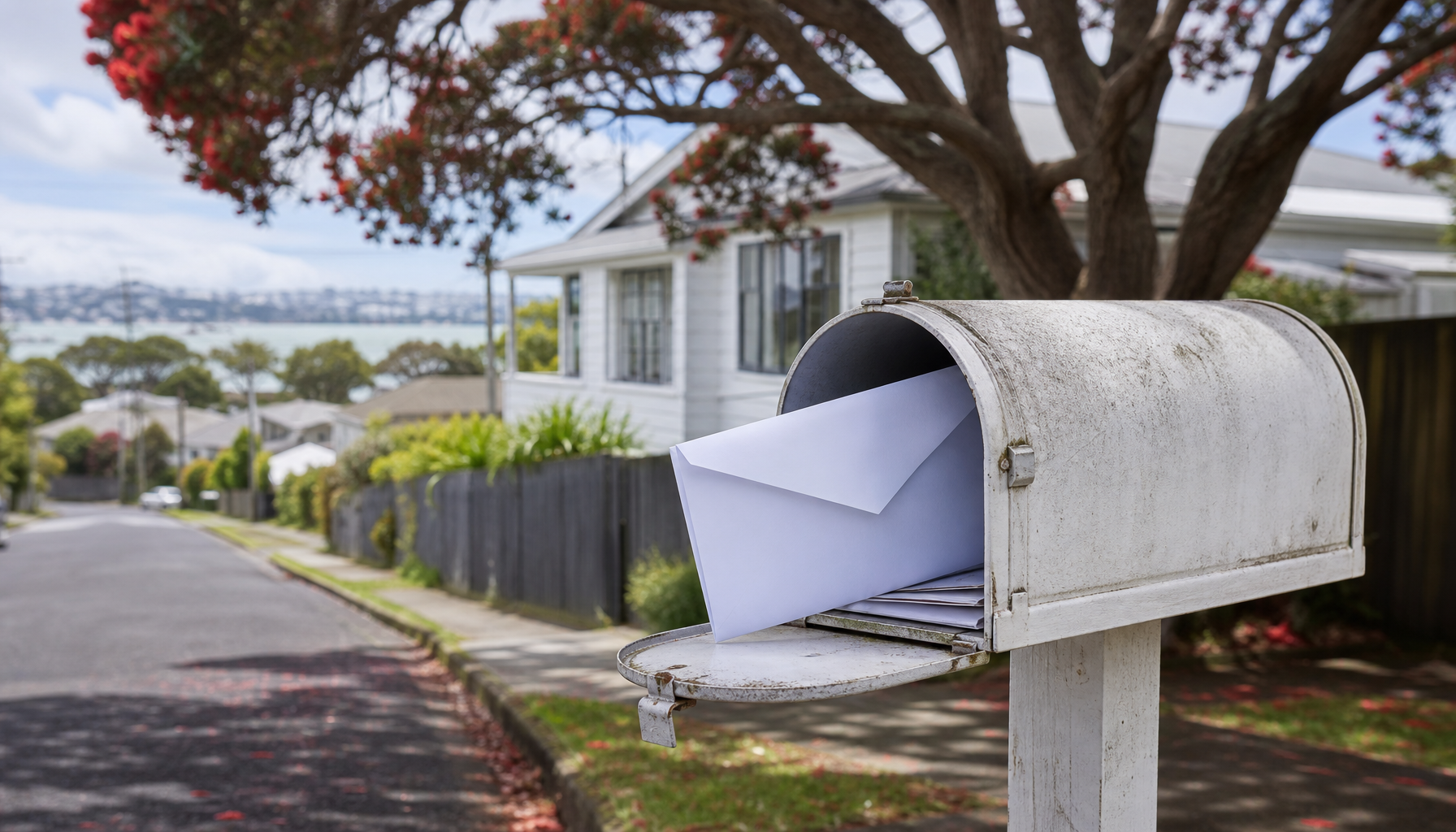
Auckland Council faces a 7.9 per cent average rates increase for the 2026/27 year. The rise partly covers the CRL's estimated $235 million yearly running costs.
Those costs break down into $167 million in interest, $42 million in depreciation and $26 million for extra services. The Council's $2.75 billion capital contribution ranks as the largest single infrastructure commitment in Auckland history.
This spending comes at a time of constrained public finances. Elevated construction inflation and post-pandemic borrowing now flow directly into household rates bills across the Super City.
Capacity Uplift and Time Savings for Commuters
Once open, the line doubles peak-hour city-centre rail capacity to 27,000 passengers. Initial services run at four trains per hour off-peak before scaling to six to eight trains hourly on key corridors.
Commuters save up to 24 minutes on many trips. Henderson to Waitematā drops by 10 minutes. Journeys to the new stations at Te Waihorotiu and Karanga-a-hape improve by 14 to 24 minutes including connections.
The project supports urban regeneration around the three new underground stations at Te Waihorotiu, Karanga-a-hape and Maungawhau. It is expected to attract more people into the city centre and grow its share of Auckland's GDP.
Fiscal Tension Remains After Opening
CRL Ltd plans up to three ticketed open days for Aucklanders near the launch date. No costly events are scheduled.
"The short answer is yes. And the budget for champagne is nil." — Joel Rowan, communications and engagement executive, CRL Ltd
The tension between delivering a major infrastructure upgrade and maintaining fiscal discipline will shape the CRL's legacy. Ratepayers will carry the operating costs for years to come while the full benefit-cost ratio stays under review.