Greens Study Puts $76b GDP Loss on Elevated Youth Emigration
A study commissioned by the Green Party estimates that higher permanent emigration among young New Zealanders will reduce GDP by $76 billion over the next 40 years compared with pre-Covid rates.
A Green-commissioned study links a surge in young Kiwis leaving for Australia to a $76b long-term GDP hit, challenging Treasury's migration assumptions.
The Finlayson-led review has cleared Gisborne District Council of bias in forestry consenting and compliance. It places primary responsibility on central government to remove structural barriers that lock the region into repeated, expensive slash and sediment clean-ups.
Liquidators were appointed to New Zealand Green Investment Finance on 30 October 2026 after the entity posted a $116.4 million deficit driven by a $113.3 million impairment on its SolarZero exposure.
New Zealand's Crown Settlement Account stood at $25.61 billion at the end of September 2026, $15.61 billion above Treasury's $10 billion minimum liquidity target. This excess cash, built from over-issuance of government bonds, costs taxpayers an estimated $260 million to $340 million in net interest each year.
The Green Party released research on 2 November 2026 showing a $76 billion shortfall in GDP over four decades from elevated outflows of citizens aged 18-30.
Victor Consulting modelled the impact using Stats NZ and Treasury data. It also estimated $40 billion in lost earnings and $6 billion in foregone net tax revenue.
The study compared recent emigration levels with the 2016-2019 average. It found 77,500 citizens aged 18-30 left long-term between 2023 and 2025, a 60 percent increase.
Stats NZ data confirm large net losses of New Zealand citizens. Annual figures reached 43,300 in 2023 and 47,100 in 2024, with a further 40,000 loss in the year to December 2025.
Who is leaving, and where
Young adults aged 18-30 accounted for around 38 percent of citizen departures in recent periods. Australia received over 60 percent of the net outflow.
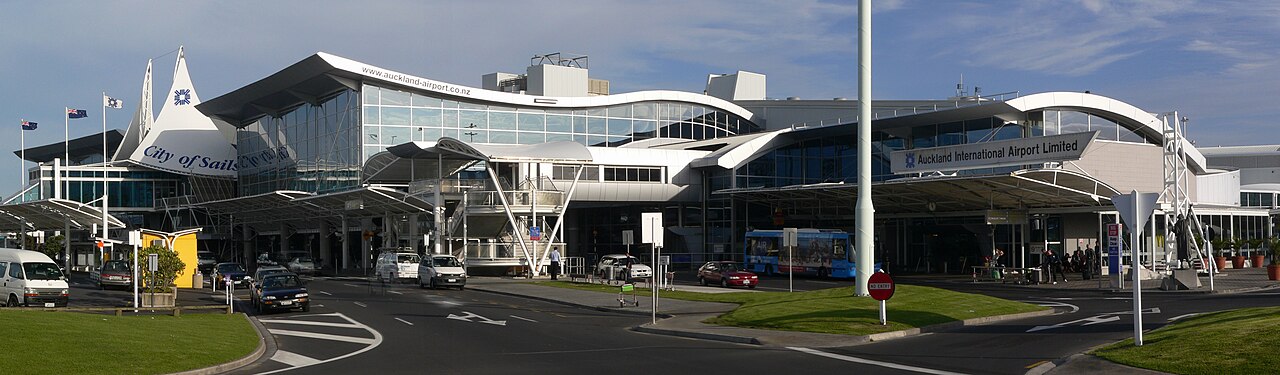
Auckland Airport's international terminal, the departure point for the majority of the 77,500 young New Zealanders who left long-term between 2023 and 2025.
Treasury's fiscal picture
Treasury's Pre-election Economic and Fiscal Update 2026 assumes net overseas migration of around 40,000 annually in its long-term projections. The PREFU forecasts real GDP growth rising from 1.6 percent in 2026 to 2.9 percent in 2028 before moderating.
OBEGALx is projected to move from an $8.6 billion deficit in 2026 to near balance in 2028 and surpluses thereafter. Net core Crown debt peaks at 43.9 percent of GDP in 2027/28 then declines.
NZ citizen net migration losses, 2023-2025
Annual net loss of NZ citizens has stayed well above pre-Covid norms through the period Treasury’s migration assumptions are built on.
Source: Stats NZ
Permanent investment at risk
The Victor Consulting study cited Treasury analysis that 43 percent of young emigrants never return. It calculated $29 billion in prior public spending on health and education for the recent cohort, with $12 billion at permanent risk.
Green co-leader Chlöe Swarbrick said the recent surge exceeds normal overseas experience patterns.
The Greens argue for greater government investment in employment and economic resilience to retain young people. This contrasts with the incumbent focus on fiscal discipline outlined in the PREFU.
Sustained citizen outflows at current rates would widen pressure on the tax base and future liabilities such as superannuation. Treasury models already incorporate migration assumptions that support the projected debt reduction path.