Pensioners Forgo Essentials as NZ Super Costs Surge Toward $29 Billion
Single pensioners receive $555.15 per week after tax under New Zealand Superannuation from 1 April 2026. Many are cutting coffee, meat and grocery spending to $300 every ten days to cope with fixed incomes amid persistent price pressures.
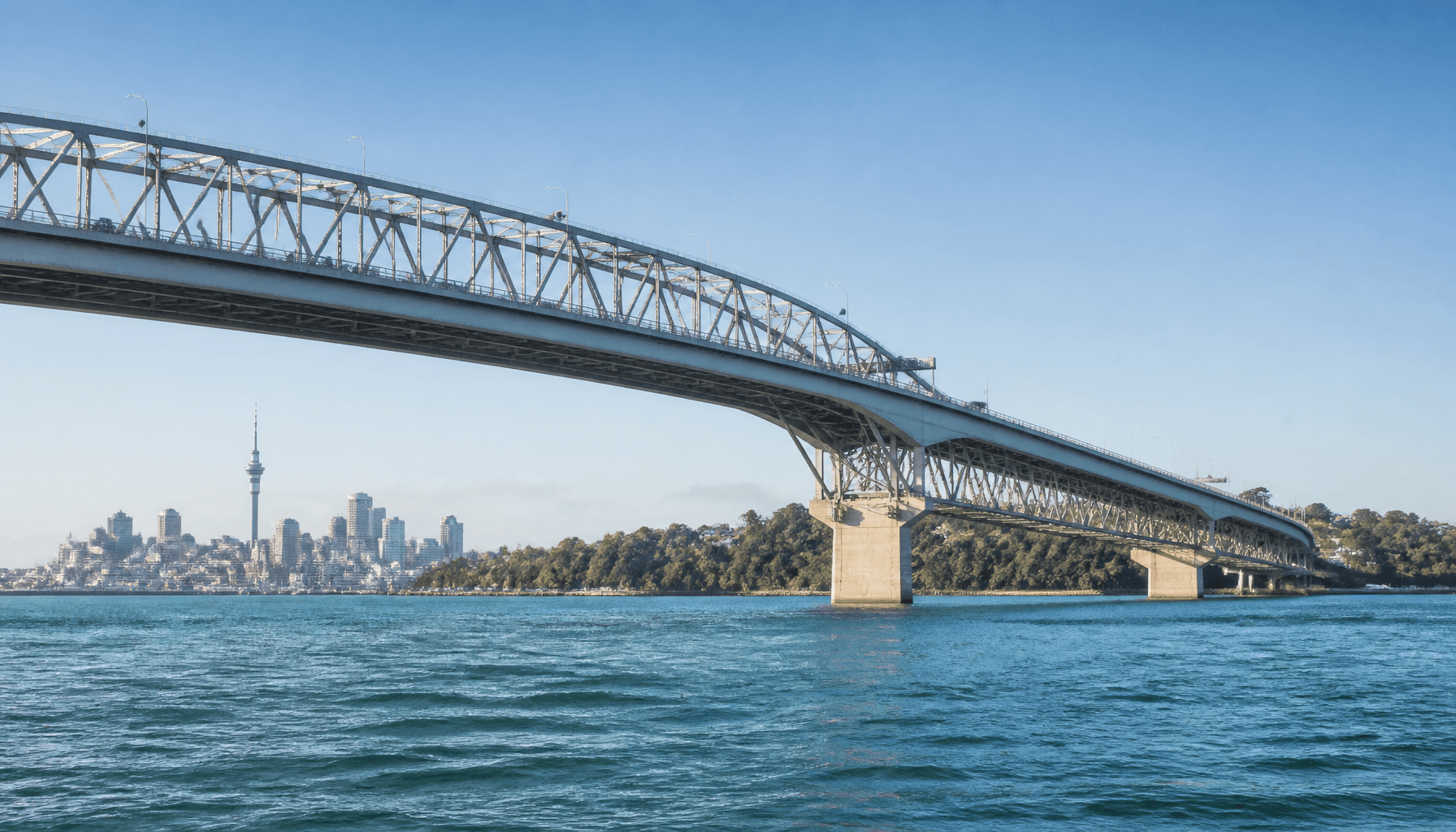
Cabinet has pulled the additional Waitematā Harbour Crossing under direct Crown control and ordered an independent detailed business case, deferring any preferred option until funding, financing and delivery are settled against a tight balance sheet.
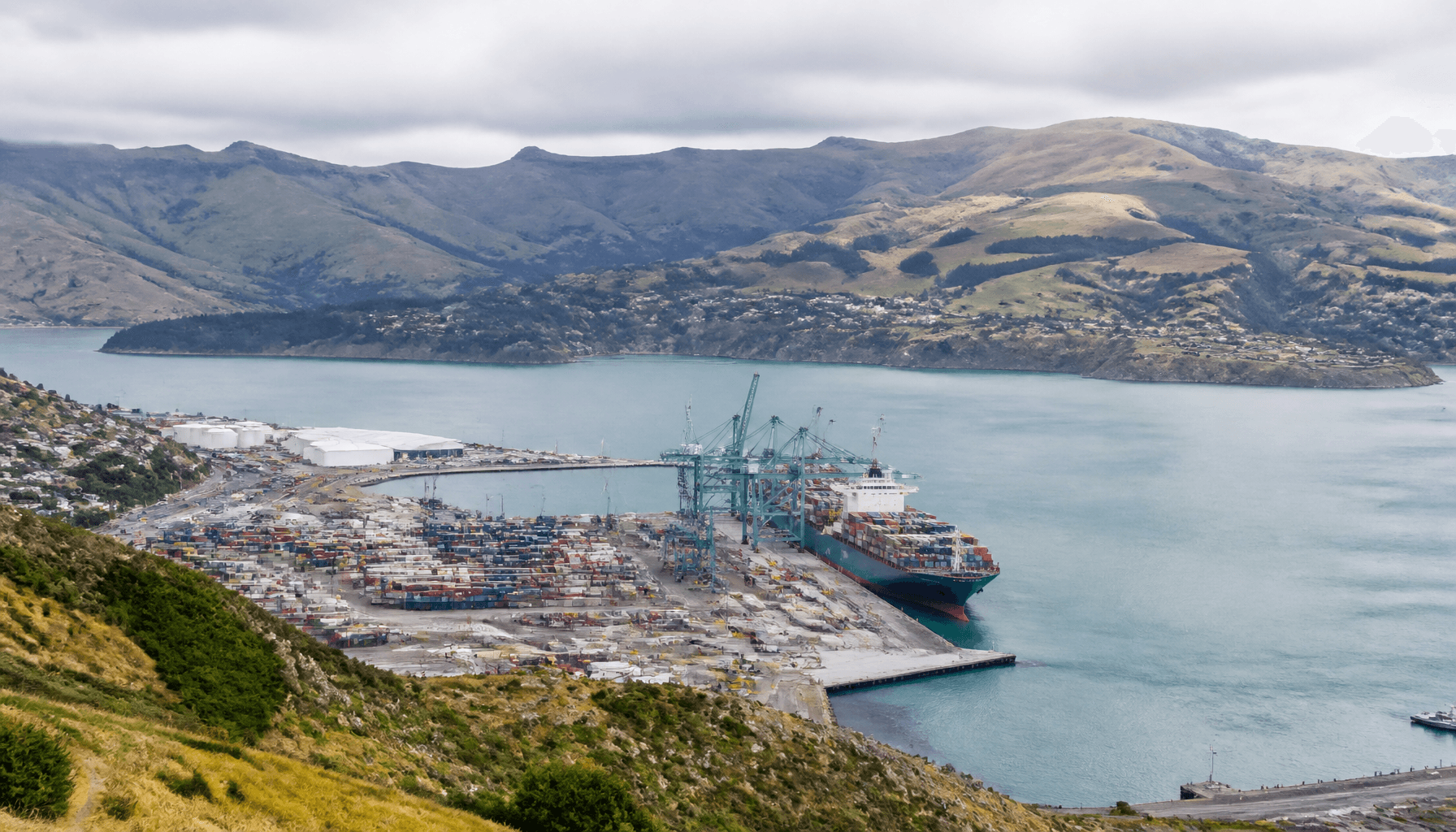
Christchurch City Holdings is committing about $300 million of public capital to an $821 million Lyttelton container expansion after rejecting a DP World–rūnanga operating lease, pairing seismic resilience with a prospective bet on dual large-ship berths and design capacity near 850,000 TEU by 2031.
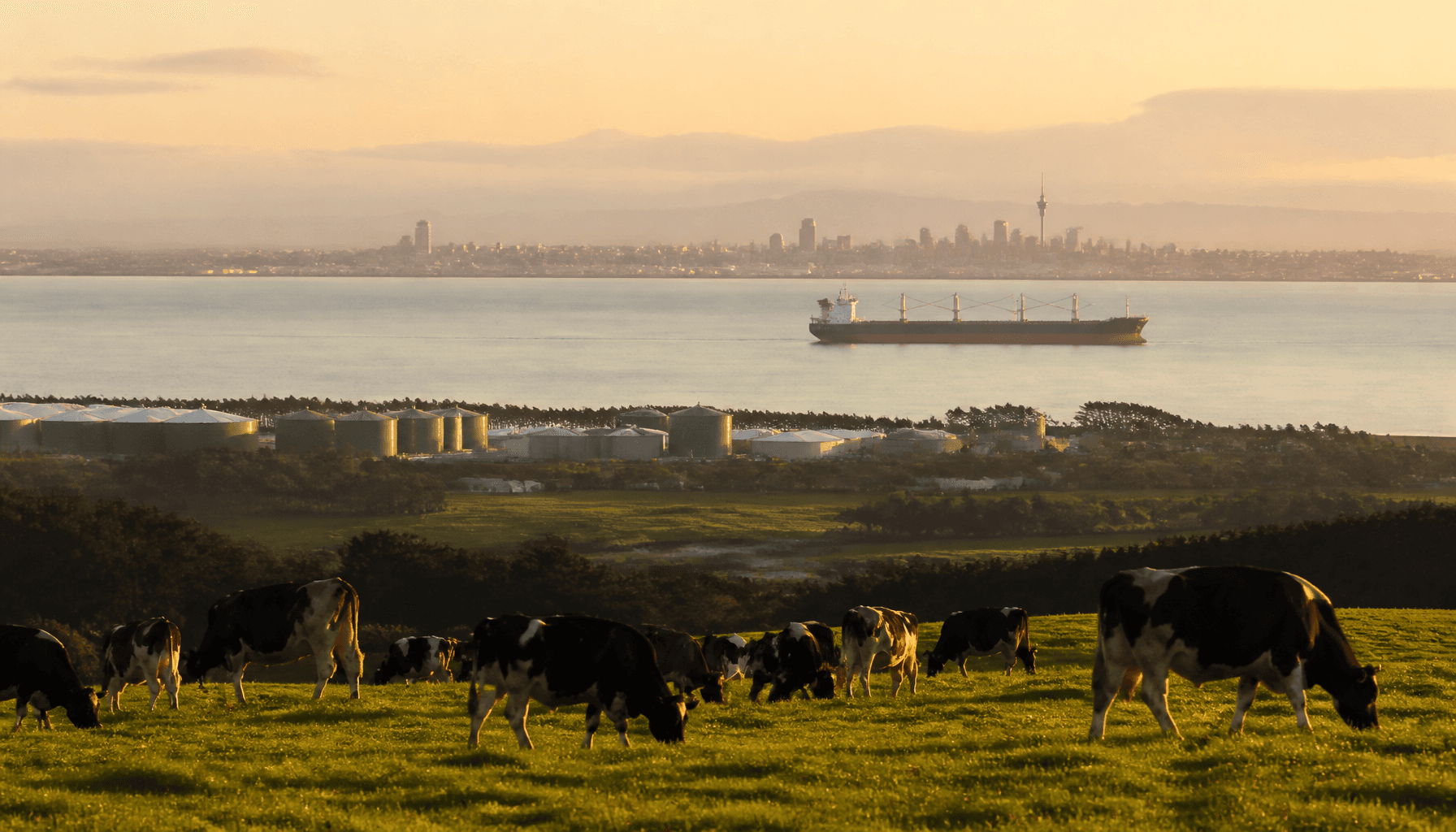
New Zealand’s recovery is real in soft indicators and South Island export cash-flow, yet annual CPI at 4.1% and unemployment at 5.6% leave the RBNZ removing stimulus into spare capacity—and the pain is not evenly shared.
Single pensioners receive $555.15 per week after tax under New Zealand Superannuation from 1 April 2026. Many are cutting coffee, meat and grocery spending to $300 every ten days to cope with fixed incomes amid persistent price pressures.
Pensioner Realities Under Fixed Incomes
Single New Zealand Super recipients get $555.15 weekly after tax. Couples each receive $427.04. These rates took effect on 1 April 2026 and include a 3.1 percent uplift tied to the prior year's inflation.
Wieland, an 85-year-old single pensioner, tries to save $100 weekly but rarely meets the target. He shops for groceries every ten days and spends up to $300 on the cheapest options. Angela, a widow with additional pensions, grows her own vegetables and has reduced meat consumption due to high costs.
These accounts come from recent RNZ reporting on cost-of-living pressures. They show how discretionary spending and some essentials have been curtailed despite the annual adjustment.
AI illustration of a fixed-income pensioner navigating rising grocery costs — a scene reflected in RNZ accounts of retirees capping supermarket spending at $300 every ten days.
Inflation Components Outpace Headline Figure
Annual CPI inflation stood at 3.1 percent in the March 2026 quarter. This sits at the top of the Reserve Bank's 1–3 percent target band.
Petrol prices jumped 18.6 percent month-on-month in March 2026. Diesel surged 42.6 percent in the same period. These record increases stem from the Iran conflict and disruptions in the Strait of Hormuz.
Year-on-year, petrol is up 13.9 percent and diesel 36.9 percent. Electricity bills face further average rises of around 8 percent ahead of winter 2026 due to lines charges.
Fuel price changes, March 2026
Month-on-month and year-on-year increases driven by Iran conflict and Strait of Hormuz disruptions.
Source: 1News / Stats NZ, April 2026
Treasury Projections Show Growing Fiscal Burden
Treasury's Half Year Economic and Fiscal Update 2025 projects NZ Superannuation expenses rising from $23.2 billion currently to $29.0 billion by 2028/29. This represents a 25 percent increase.
The rise stems from indexation and growing recipient numbers as the population ages. Benefit expenses overall have been revised upward by more than $1 billion per annum from 2026/27.
NZ Superannuation currently stands at approximately 5.1 percent of GDP. It is forecast to climb to 8.0 percent of GDP by 2065 without policy changes.
Core Crown expenses are projected to ease to 30.5 percent of GDP by 2029/30. Yet superannuation and finance costs have already driven a 2.5 percentage point rise since 2018/19.
AI illustration of fiscal planning materials, representing Treasury's HYEFU 2025 projections showing NZ Superannuation costs rising from $23.2 billion to $29.0 billion by 2028/29.
OBEGAL Path and Sustainability Tension
The same Treasury update forecasts an OBEGALx deficit of $13.9 billion in 2025/26. This equals 3.0 percent of GDP. The deficit narrows to $10.4 billion in 2026/27 before returning to a $2.3 billion surplus in 2029/30.
Increased benefit expenses, including those for NZ Super, represent the main driver of the slower return to surplus. Indexation to net average wages and CPI has not kept pace with volatility in fuel and energy prices.
Massey University's 2025 Retirement Expenditure Guidelines show a no-frills single-person metro budget requires $705 weekly. This exceeds current super payments.
The Retirement Commission has noted that many over-65s reliant solely on NZ Super make extreme spending cuts. Rates rebates and the April 2026 adjustments provide some relief but do not address structural gaps.
NZ Superannuation expenditure: current to 2028/29
Driven by indexation and growing recipient numbers as the population ages.
Superannuation absorbs around 16–17 percent of total taxation. Without adjustments to eligibility, indexation or contribution mechanisms, this share will grow. It will limit room for other spending or necessitate higher taxes.
The trajectory underscores the need for reforms to maintain both adequacy for recipients and overall fiscal sustainability amid demographic pressures.