South Island House Prices Lift as National Average Falls 0.9%
New Zealand's national average home value fell 0.9 per cent to $890,508 in the three months to October 2026, an improvement from the 1.5 per cent quarterly decline to September, QV data show.
Chris Bishop lost the Hutt South electorate to Labour's Ginny Andersen by 889 votes in the 7 November 2026 election. His exit removes the National minister who drove the replacement of the Resource Management Act 1991 from Parliament.
Almost 15.8 percent of New Zealand residential properties sold in the September 2026 quarter fetched less than the seller had paid, the highest proportion since the third quarter of 2021, Cotality data show.
New Zealand's national average home value fell 0.9 per cent to $890,508 in the three months to October 2026, an improvement from the 1.5 per cent quarterly decline to September, QV data show.
National Slowdown Masks Island Split
The national average home value is now 2.2 per cent lower than at the start of 2026. QV spokesperson Simon Petersen said the market is still going backwards, just more slowly.
"At a national level, the housing market is still going backwards - just more slowly now. But it's not moving in unison. The national figure hides a pretty clear divide between the two islands."
North Island Declines
All main North Island urban areas posted falls. Rotorua dropped 2.9 per cent to $663,528. Whangārei fell 2.1 per cent to $715,293. Wellington declined 1.7 per cent. Auckland slipped 1.6 per cent to $1,155,065.
South Island Resilience
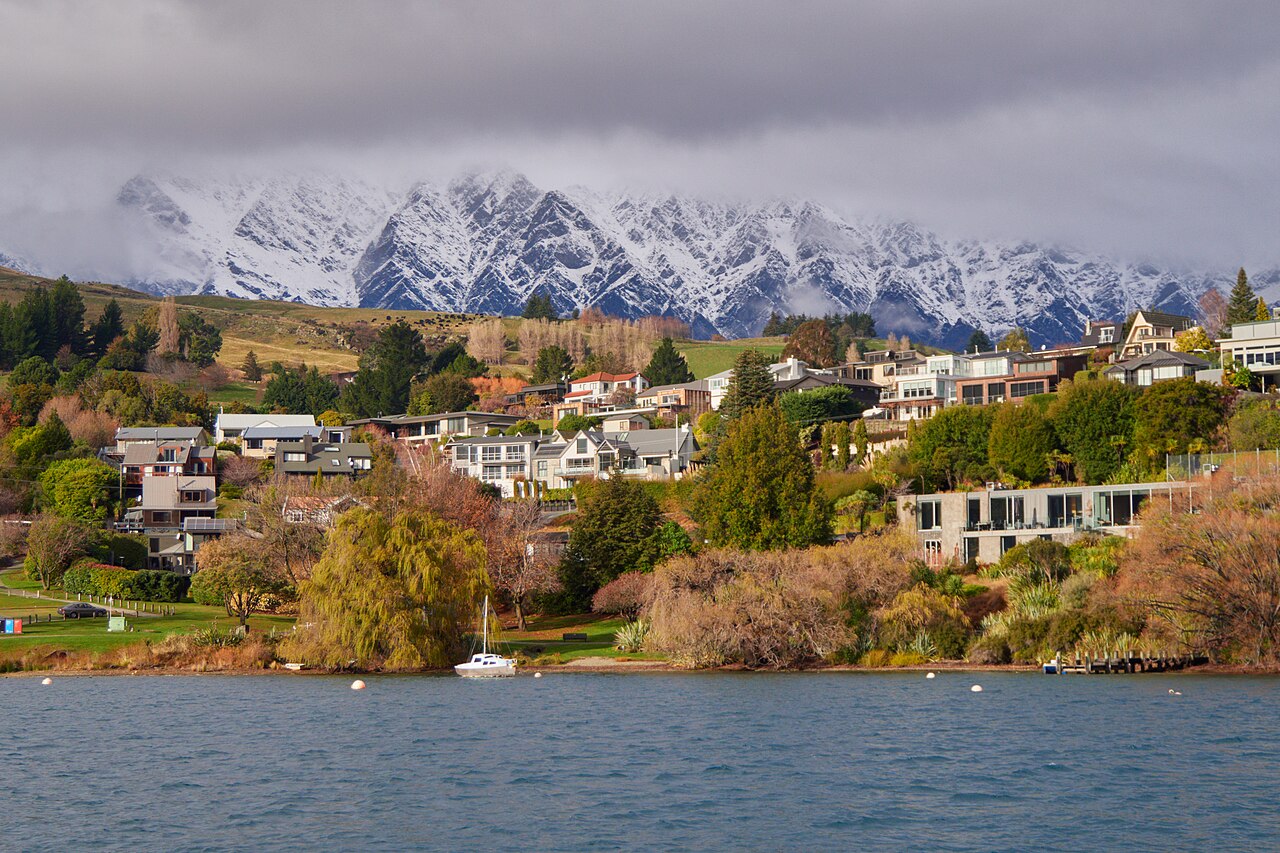
South Island markets were mostly flat or rising. Christchurch rose 0.6 per cent to $807,417. Queenstown Lakes gained 2.6 per cent to $1,993,238. Marlborough increased 0.7 per cent to $696,600. Nelson fell 0.5 per cent and Timaru 0.6 per cent.
Queenstown Lakes District posted the strongest gain of any main urban area, with QV recording a 2.6% rise in average home value to $1,993,238.
Other Indices Confirm Pattern
Cotality's Home Value Index fell 0.4 per cent in October to a median of $790,987, the seventh straight monthly decline. It is down 2.3 per cent year-on-year. Valocity recorded a 0.2 per cent monthly dip to $950,000, with a 0.7 per cent quarterly fall. South Island regions including Otago, Southland and Canterbury posted modest gains while North Island regions declined.
REINZ data for September showed the House Price Index down 1.5 per cent year-on-year nationally. Southland recorded 7.5 per cent annual growth.
Macro Backdrop
The Reserve Bank held the Official Cash Rate at 2.75 per cent on 28 October in a 4-3 decision. Annual CPI inflation stood at 3.7 per cent in the September quarter. The central bank noted declining house prices are weighing on household sentiment and spending.
The approaching 7 November general election added uncertainty. Median days to sell remain around 46-48.
Supply Signal and Forecasts
Stats NZ data show 41,091 new homes consented in the year ended September 2026, up 18 per cent on the prior year. Stand-alone houses rose 20 per cent.
ANZ forecasts national house prices around 2 per cent lower by the end of 2026 and drifting mildly lower until mid-2027.
Westpac expects a 1.4 per cent fall for 2026.
National property values remain approximately 13.5 per cent below the February 2022 peak according to Valocity and around 19 per cent below the January 2022 peak per Cotality.