Westpac Secures $12.8m Judgment Against Sacred Hill Guarantor
Westpac New Zealand has obtained a High Court summary judgment for $12.8 million plus interest against David Mason, the former managing director and majority shareholder of the collapsed Sacred Hill wine group.
The S&P/NZX 50 Total Return index rose 4.68% over the year to 13 November 2026, reaching 14,173.68, while delivering modest five-year gains of 1.89%. This performance stands in contrast to the S&P 500 Total Return's stronger run, highlighting how New Zealand's domestically focused market provides a buffer when concentrated technology bets falter.
Westpac New Zealand will adjust loan size or term in no more than 2 per cent of mortgage applications due to natural hazard risk from 11 November 2026. The bank becomes the first in the country to share property-level flood, landslide and coastal erosion data with buyers while ruling out blanket refusals or risk-based pricing.
Westpac New Zealand has obtained a High Court summary judgment for $12.8 million plus interest against David Mason, the former managing director and majority shareholder of the collapsed Sacred Hill wine group.
Westpac wins enforcement against guarantor
Westpac New Zealand Limited secured summary judgment for $12,789,952.68 plus default interest against David Mason in the High Court on 4 November 2026. The ruling came in Westpac New Zealand Limited v Mason [2026] NZHC 3413.
The case stems from the 2021 receivership of Sacred Hill companies. Westpac, the primary secured lender, was owed $52.4 million when receivers from BDO were appointed in May 2021. Total group liabilities stood at $98.6 million.
Receivers sold the Marlborough operations to Vinlink Marlborough for about $43 million and Hawke's Bay assets for over $6 million. Recoveries reached approximately $49.8 million, leaving a shortfall that narrowed only slightly to $12.8 million by late 2024.
Mason had personally guaranteed the facilities. He argued Westpac breached good faith duties by failing to direct receivers to preserve value from a Mach Flynt contract tied to Costco exports. The court rejected the defence. Receivers act as agents of the company and owe primary duty to realise the best price reasonably obtainable for the company, not the bank.
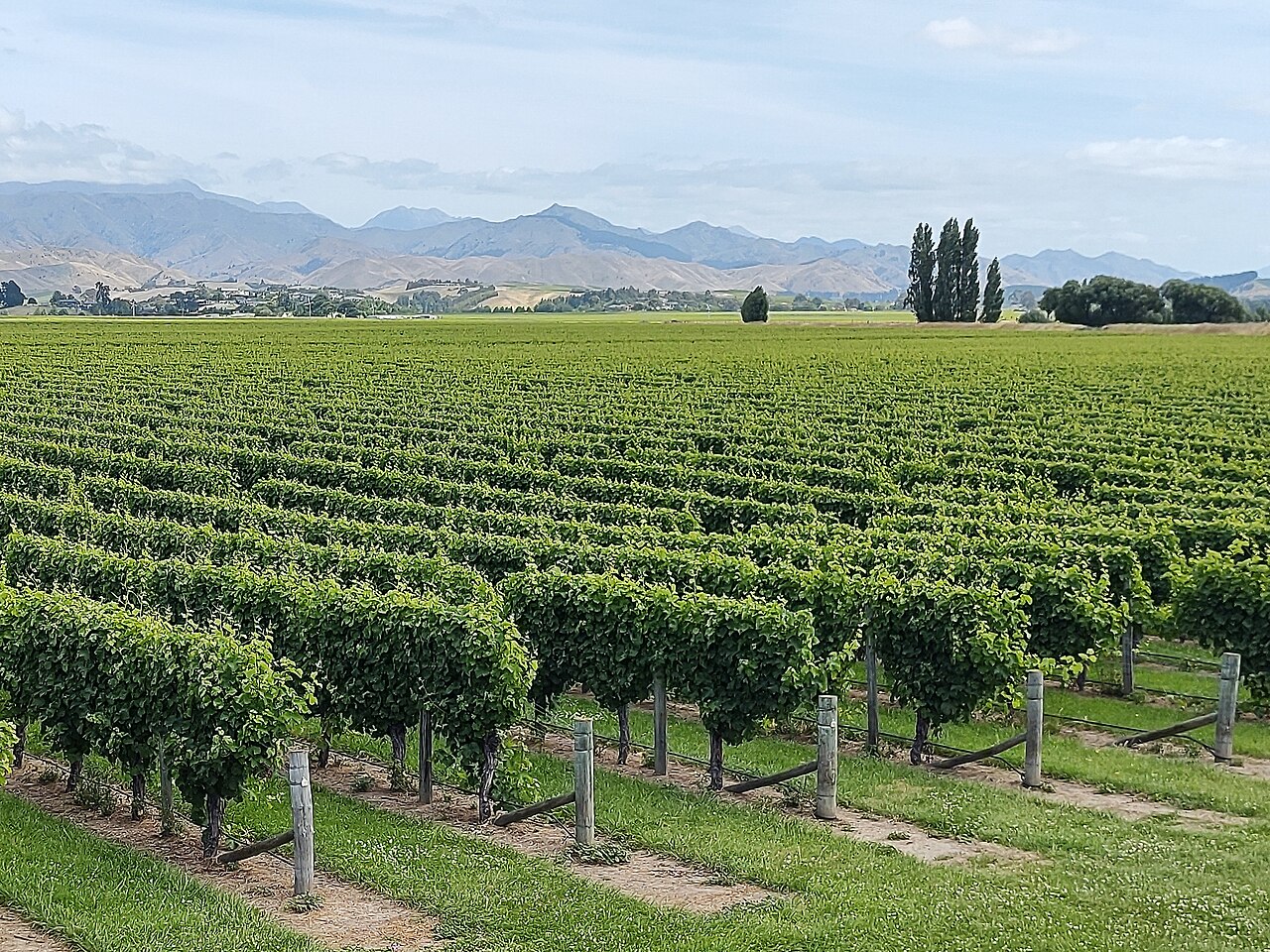
Vineyards in Marlborough's Wairau Valley, where Sacred Hill's winemaking operations were sold to Vinlink Marlborough for about $43 million after the 2021 receivership.
Inventory overstatement and fraud charges
A 2020 investigation found Sacred Hill overstated inventory by about $60 million. Later reporting indicated an overstatement close to $30 million in a single year. This inflated collateral supported bank funding.
The Serious Fraud Office charged former executive Richard Foddy in June 2026 with 18 counts of false accounting. Six counts carried alternative obtaining-by-deception charges covering 2017 to 2019. Foddy pleaded not guilty. The SFO acted on a referral from receiver BDO.
New Zealand's economic strength relies heavily on its trade industries. Corporate fraud that undermines key sectors, such as viticulture, poses a direct risk to our economy, our productivity, and our international standing. The SFO will continue to treat these cases as a priority.
SFO Director Karen Chang stated the case highlights risks to export sectors. Both Foddy and Mason received director bans for conduct including insolvent trading and poor record-keeping.
Bank context and sector data
Westpac recorded a $37 million impairment charge for the six months to March 2026, up from $33 million the prior period. Its total provision for expected credit losses stood at $500 million as at 30 September 2026.
RBNZ September 2026 data showed agriculture non-performing loans at $332 million, or 0.5 percent of the portfolio. System-wide NPLs reached 0.64 percent. SME business NPLs rose during the period.
The case illustrates limits of inventory-based security in export agribusiness. Currency volatility, weak vintages and overstated stock values crystallised losses years after the initial lending.
Monitoring implications
Banks face renewed pressure to verify quarterly stock certificates in volatile sectors. Personal guarantees remain a key recovery tool when corporate assets fall short.
The multi-year gap between appointment and final judgment underscores enforcement timelines even after successful receivership sales. Westpac recovered the bulk through asset realisations but still pursued the guarantor for the residual.
Similar exposures exist across the major banks in agriculture lending that totals around $65 billion system-wide. The Sacred Hill outcome may prompt tighter covenant monitoring without broad regulatory change.