Westpac New Zealand has obtained a High Court summary judgment for $12.8 million plus interest against David Mason, the former managing director and majority shareholder of the collapsed Sacred Hill wine group.
The S&P/NZX 50 Total Return index rose 4.68% over the year to 13 November 2026, reaching 14,173.68, while delivering modest five-year gains of 1.89%. This performance stands in contrast to the S&P 500 Total Return's stronger run, highlighting how New Zealand's domestically focused market provides a buffer when concentrated technology bets falter.
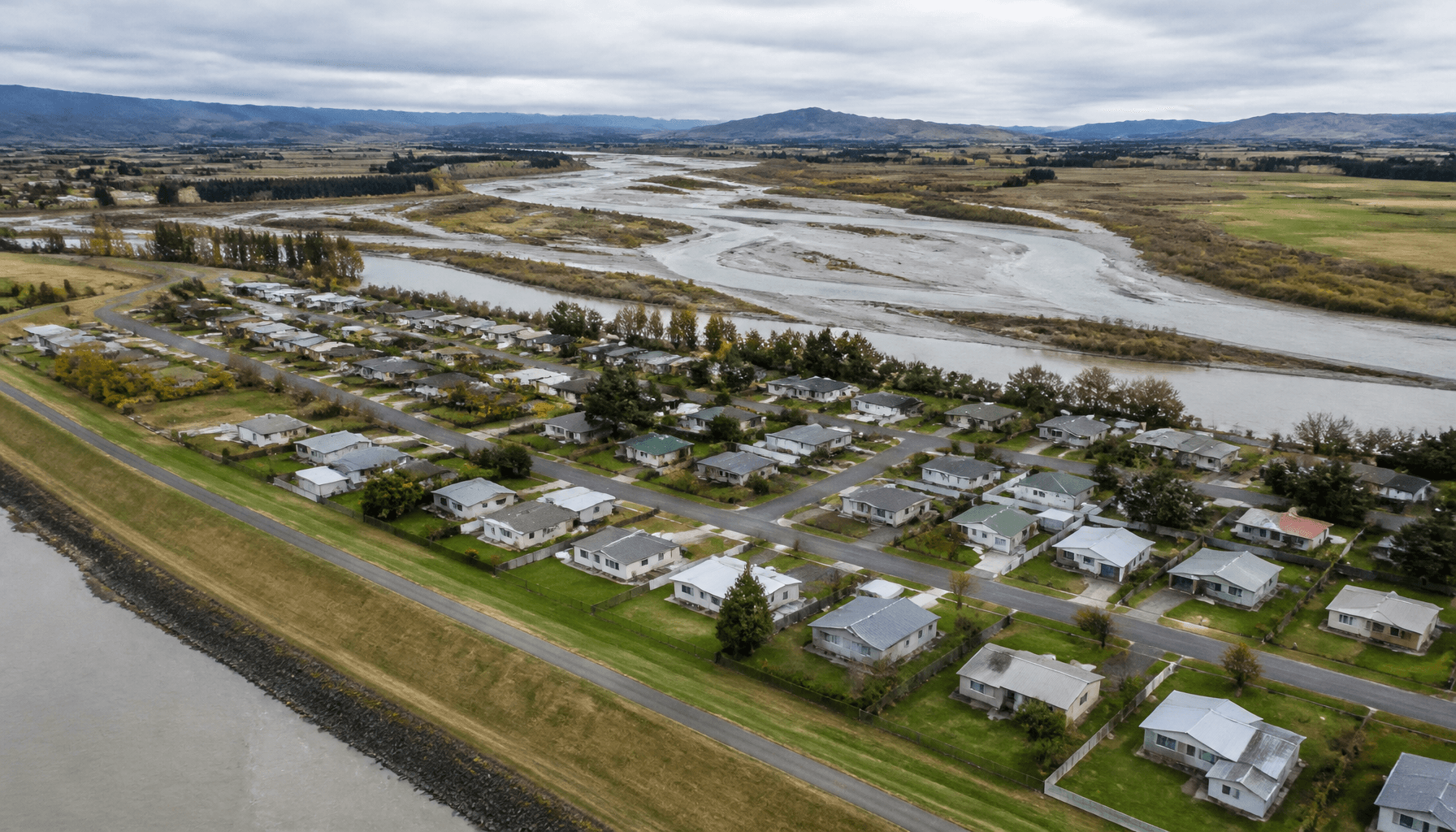
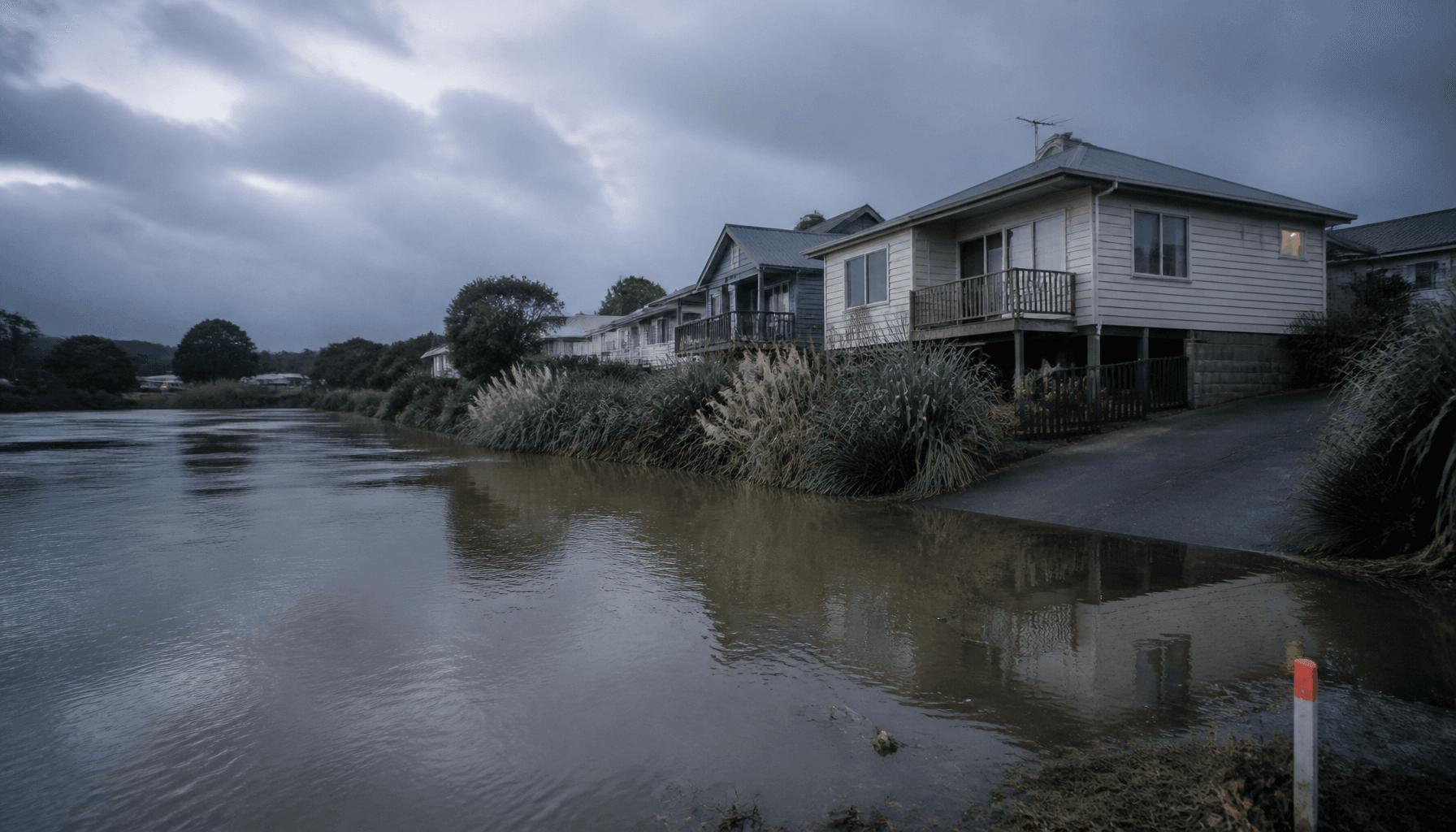
Westpac New Zealand will adjust loan size or term in no more than 2 per cent of mortgage applications due to natural hazard risk from 11 November 2026. The bank becomes the first in the country to share property-level flood, landslide and coastal erosion data with buyers while ruling out blanket refusals or risk-based pricing.
Westpac New Zealand became the first domestic bank to factor natural hazard risk into new residential mortgage decisions on 11 November 2026.
Westpac New Zealand will provide applicants with Natural Hazard Risk Insights reports and may reduce loan amounts or terms on a small share of high-risk properties.
The policy covers floods, landslides and coastal erosion. It affects no more than 2 percent of cases. A $1 million loan on a high-risk property could drop to $800,000. Terms could shorten from 30 years to 20 or 25 years.
Westpac will not decline loans solely on hazard grounds and will not use risk-based pricing. Existing mortgages remain unchanged.
We are not moving to risk-based pricing and we don't expect to be declining applications solely on the basis of this risk.
said Sarah Hearn, Westpac NZ Managing Director Product, Sustainability & Marketing.
Maybe instead of lending a million against the property, we might say, we'll lend up to $800,000 against the property.
added Jo McGregor, Westpac head of consumer lending.
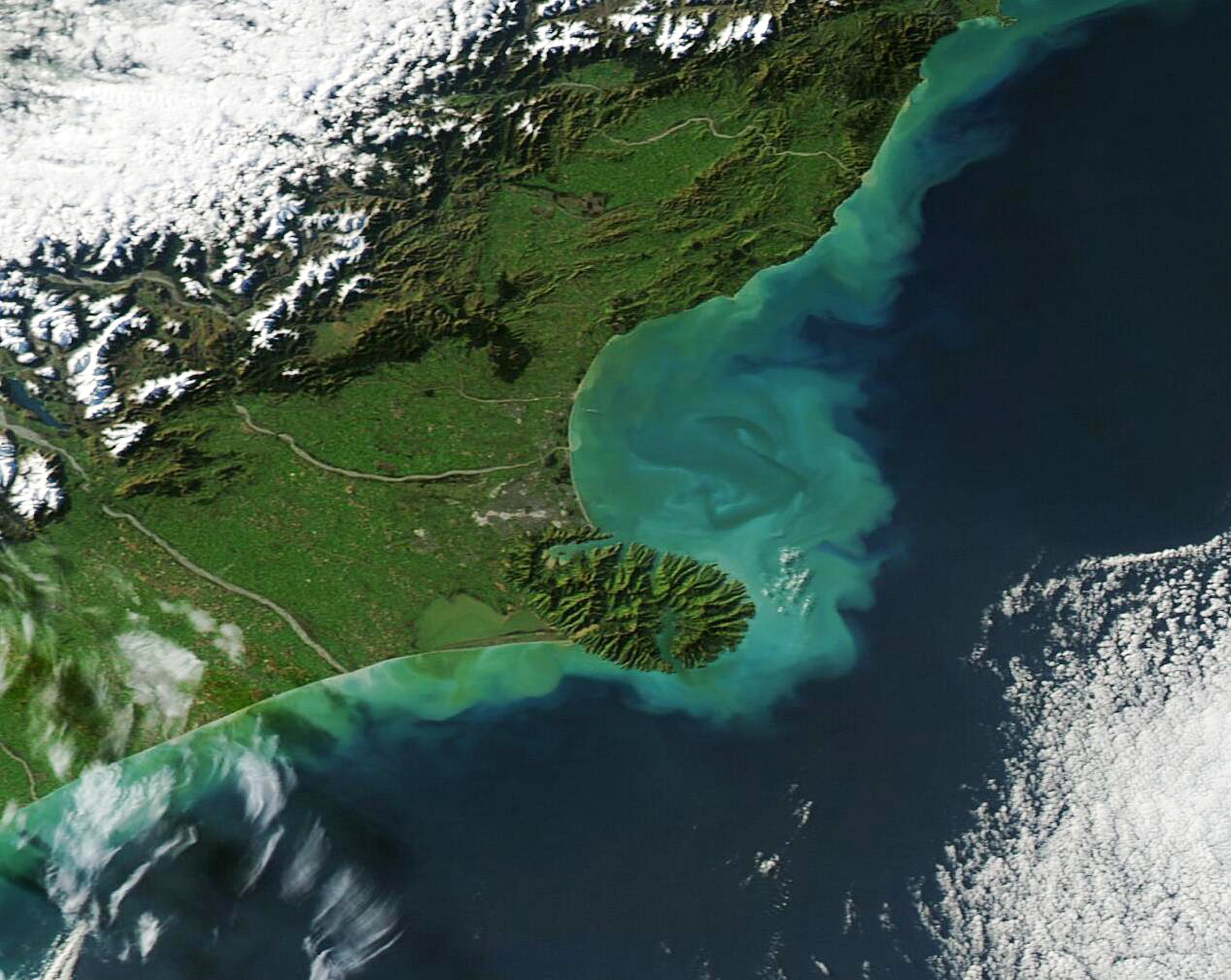
Satellite imagery of flooding in New Zealand: a 2025 national model found 750,000 people and $235 billion in buildings exposed to 1-in-100-year inland flooding.
Councils press for Crown funding
Te Uru Kahika, representing regional councils, renewed its call for $240 million in annual Crown funding toward a $400 million flood resilience pipeline. Previous Crown-council spending since 2021 totals $659 million.
A 2025 national flood model showed 750,000 people exposed to 1-in-100-year inland flooding. Building values at risk stand at $235 billion now and could reach $288 billion under 3°C warming.
The Reserve Bank of New Zealand's 2023 climate stress test found the five largest banks would stay solvent under a severe scenario. Profits would fall around 25 percent and dividends nearly 40 percent over decades.
How peer banks are responding
ANZ said it will continue requiring insurance and LIM reports and may decline on hazard or insurability grounds. Kiwibank has disclosed 1.2 percent of its home lending exposed to coastal flood risk, rising to 1.8 percent by 2050 under one scenario.
ANZ: existing insurance and LIM requirements retained; may decline on hazard or insurability grounds
Kiwibank: 1.2% of home lending currently exposed to coastal flood risk, rising to 1.8% by 2050
Westpac: Natural Hazard Risk Insights reports on new applications; loan size or term may be reduced on up to 2% of cases
Infometrics economist Brad Olsen described the move as long anticipated and likely to prompt peers to follow as data improves.
Councils seek sustained Crown money despite prior investments and improving national models. Banks instead price risk directly through lending decisions. This market response limits taxpayer exposure to future recovery costs without new annual spending commitments.