Budget 2026 Backs Emergency Tech Upgrade in Tight Fiscal Setting
Emergency Management and Recovery Minister Mark Mitchell announced Budget 2026 funding for the National Emergency Management Agency to modernise fragmented systems with a common operating picture and related tools.
"A common operating picture has been long-awaited for decades by the emergency management sector."Mark Mitchell, Emergency Management and Recovery Minister
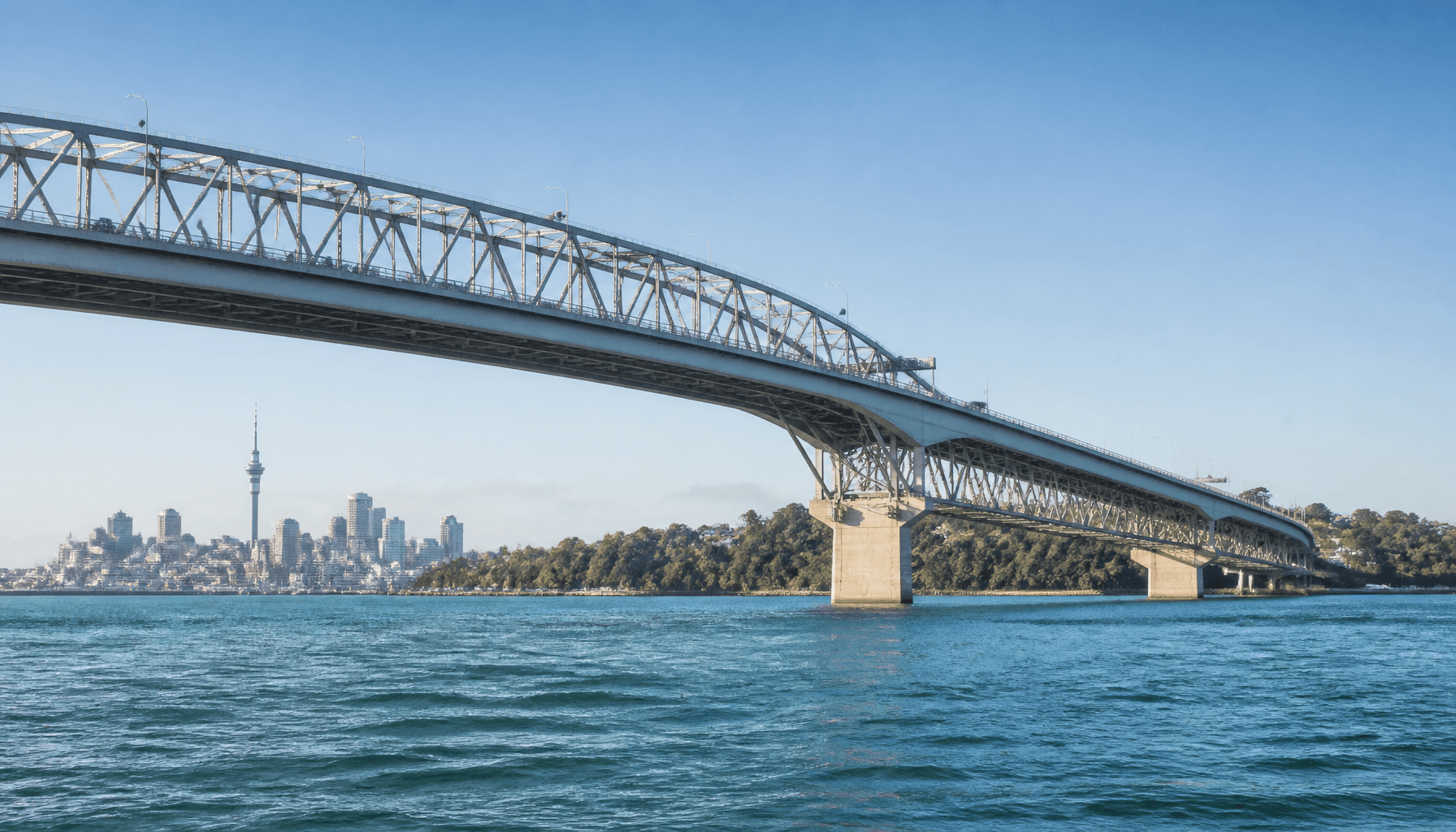
Cabinet has pulled the additional Waitematā Harbour Crossing under direct Crown control and ordered an independent detailed business case, deferring any preferred option until funding, financing and delivery are settled against a tight balance sheet.
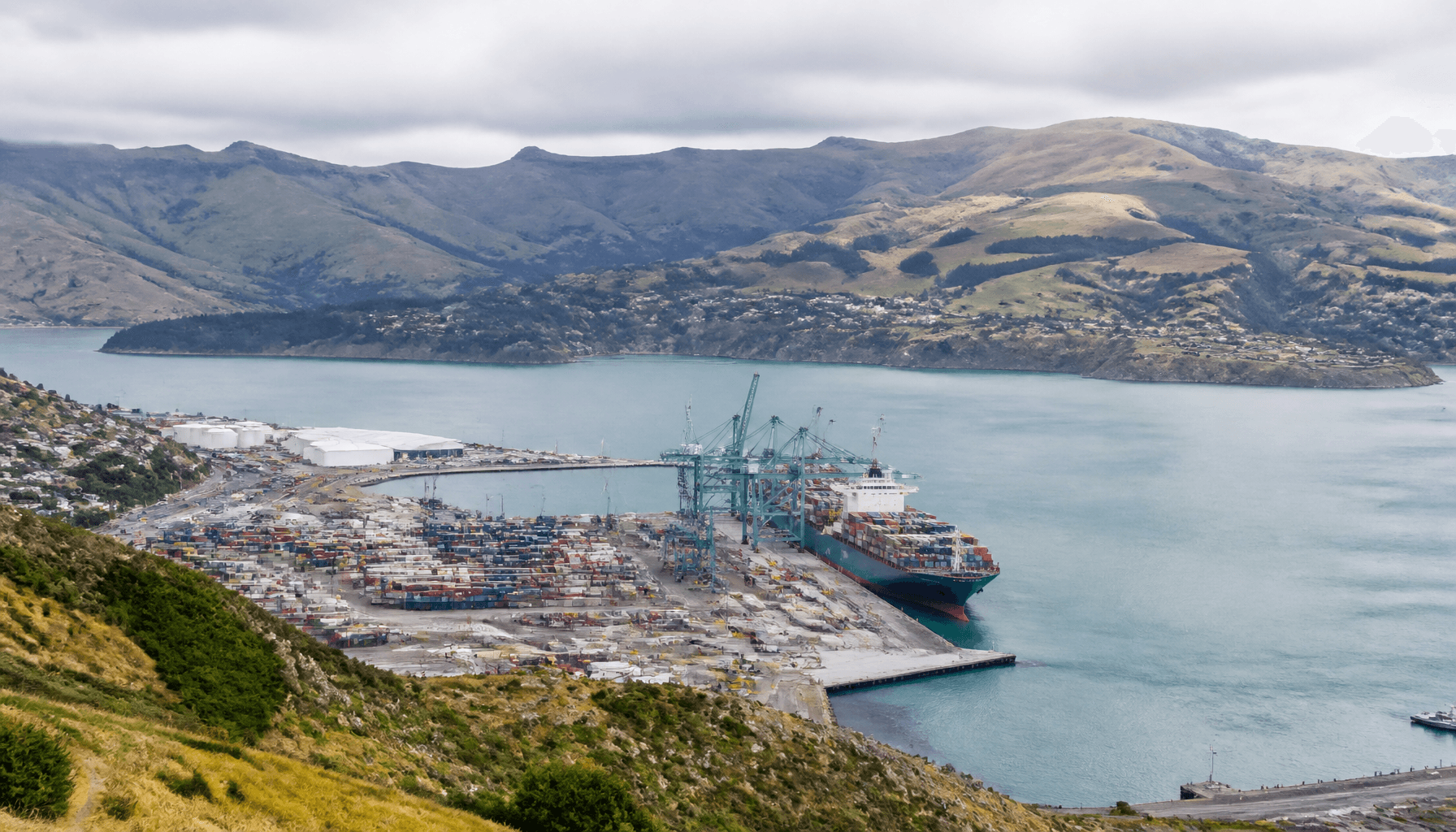
Christchurch City Holdings is committing about $300 million of public capital to an $821 million Lyttelton container expansion after rejecting a DP World–rūnanga operating lease, pairing seismic resilience with a prospective bet on dual large-ship berths and design capacity near 850,000 TEU by 2031.
New Zealand’s recovery is real in soft indicators and South Island export cash-flow, yet annual CPI at 4.1% and unemployment at 5.6% leave the RBNZ removing stimulus into spare capacity—and the pain is not evenly shared.
Emergency Management and Recovery Minister Mark Mitchell announced Budget 2026 funding for the National Emergency Management Agency to modernise fragmented systems with a common operating picture and related tools.
Emergency Management and Recovery Minister Mark Mitchell said a common operating picture has been long-awaited for decades by the emergency management sector.
"A common operating picture has been long-awaited for decades by the emergency management sector." — Mark Mitchell, Emergency Management and Recovery Minister
The funding supports the Emergency Management Sector Operational Systems programme. It will deliver a shared view of hazard maps, population data, infrastructure status and resources.
Additional elements include operational tools for tasking and resource management. An upgrade to the National Warning System is also planned.
The programme will explore automation and AI for processing fast-moving data. Satellite imagery analysis after events such as earthquakes or floods is one example cited.
A Constrained Fiscal Setting
This announcement arrives ahead of the 28 May 2026 Budget delivery. The operating allowance has been trimmed to $2.1 billion from an initial $2.4 billion target, according to RNZ and NZ Herald reporting ahead of Budget day.
Agencies face operating budget cuts of 2 percent in 2026/27 and a further 5 percent in each of the following two years, Finance Minister Nicola Willis announced. The government expects to generate $2.4 billion in savings over the forecast period through the public service restructure, Willis said.
NEMA's recent annual appropriation has stood at approximately $60 million to $66 million, according to the Associate Minister for Emergency Management and Recovery's briefing document of March 2026. Central government natural-hazards spending totalled around $33 billion nominal from 2010 to 2025, according to IAG's analysis of natural hazards-related public spending in New Zealand. Costs are projected to rise more than 50 percent per decade to $3.3 billion by 2050, according to DPMC's Strengthening Disaster Resilience and Emergency Management report.
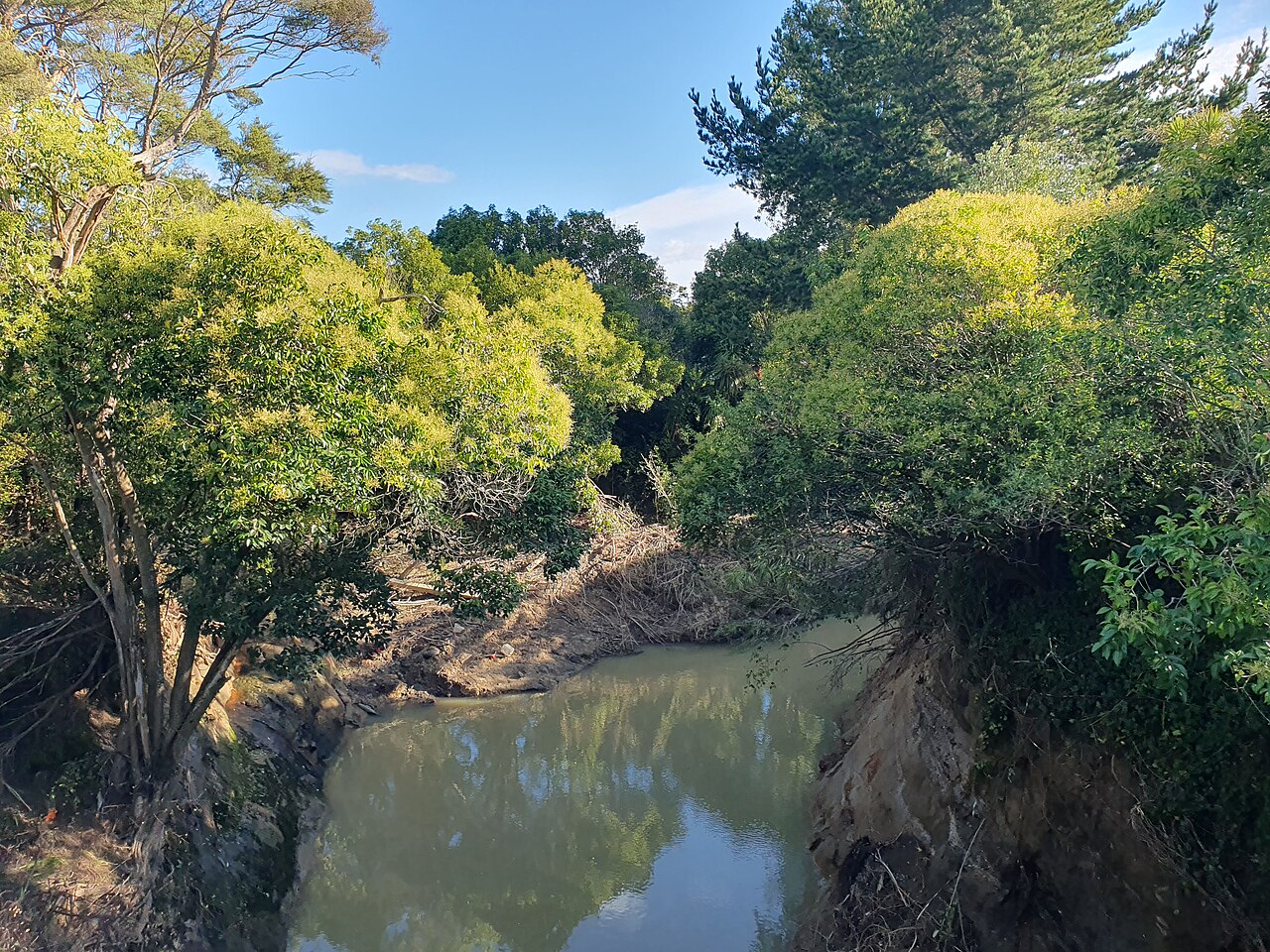
Oratia Stream, West Auckland, swollen in the aftermath of the February 2023 North Island severe weather events — the Government Inquiry into that disaster directly drove the EMS-OS programme now funded in Budget 2026. Photo: Prosperosity · CC BY 4.0 · Wikimedia Commons
Inquiry-Driven Imperative
The move responds to the Government Inquiry into the Response to the North Island Severe Weather Events of 2023. That inquiry found the existing system not fit-for-purpose due to poor real-time awareness and fragmented data.
EMS-OS forms the anchor project of the Strengthening Emergency Management Roadmap agreed in principle by Cabinet in 2025. It sits alongside legislative reform through the Emergency Management Bill.
Specific funding allocation for the programme remains to be detailed when the Budget is tabled. Documents indicate delivery risk for the disaster-warning overhaul component.
Risk Context and Independent Scrutiny
New Zealand ranks among countries with the highest natural hazard risks. Landslides alone have caused approximately 1,800 deaths over two centuries.
The investment must demonstrate clear value within the constrained allowance and broader agency efficiency drive. Treasury and DPMC oversight of the business case will be required.
University of Waikato economics lecturer Dr Michael Ryan has argued that the decision to trim the operating allowance from $2.4 billion to $2.1 billion was motivated by political priorities rather than meeting New Zealand's economic and strategic needs, and that Budget 2026 represents a test of whether public money will go where it is most needed. Labour leader Chris Hipkins has separately criticised the government's public service job cuts, warning they would affect the delivery of frontline services.
Passage of the Emergency Management Bill and operational improvements in the Roadmap will determine the full impact on response coordination and community resilience.