June GDP tipped at 0.1–0.2% as oil shock hits NZ recovery
Economists expect New Zealand’s June quarter GDP to rise just 0.1–0.2 percent when Stats NZ reports on 17 September, a sharp slowdown from March’s 0.8 percent gain as elevated oil prices compress real incomes.
Economic Data Reporter · 14/09/2026 · 05:35 NZT · 5 min read
"Higher fuel prices have pushed inflation up to 4.1% in the June quarter, and this has put pressure on household budgets and business costs. It has also slowed the economic recovery."Paul Conway, Chief Economist, Reserve Bank of New Zealand
New Zealand rural confidence stayed positive for a ninth straight quarter in August 2026, with horticulturalists overtaking sheep and beef as the most optimistic sector while investment plans stayed soft.
ASB’s Q2 2026 Regional Economic Scoreboard left Wellington joint last with Gisborne while Canterbury led on dairy cash, jobs and retail. The capital’s multi-quarter underperformance is structural: public-service consolidation, a deep housing correction and stalled population growth colliding with a national OCR still set for nationwide inflation.
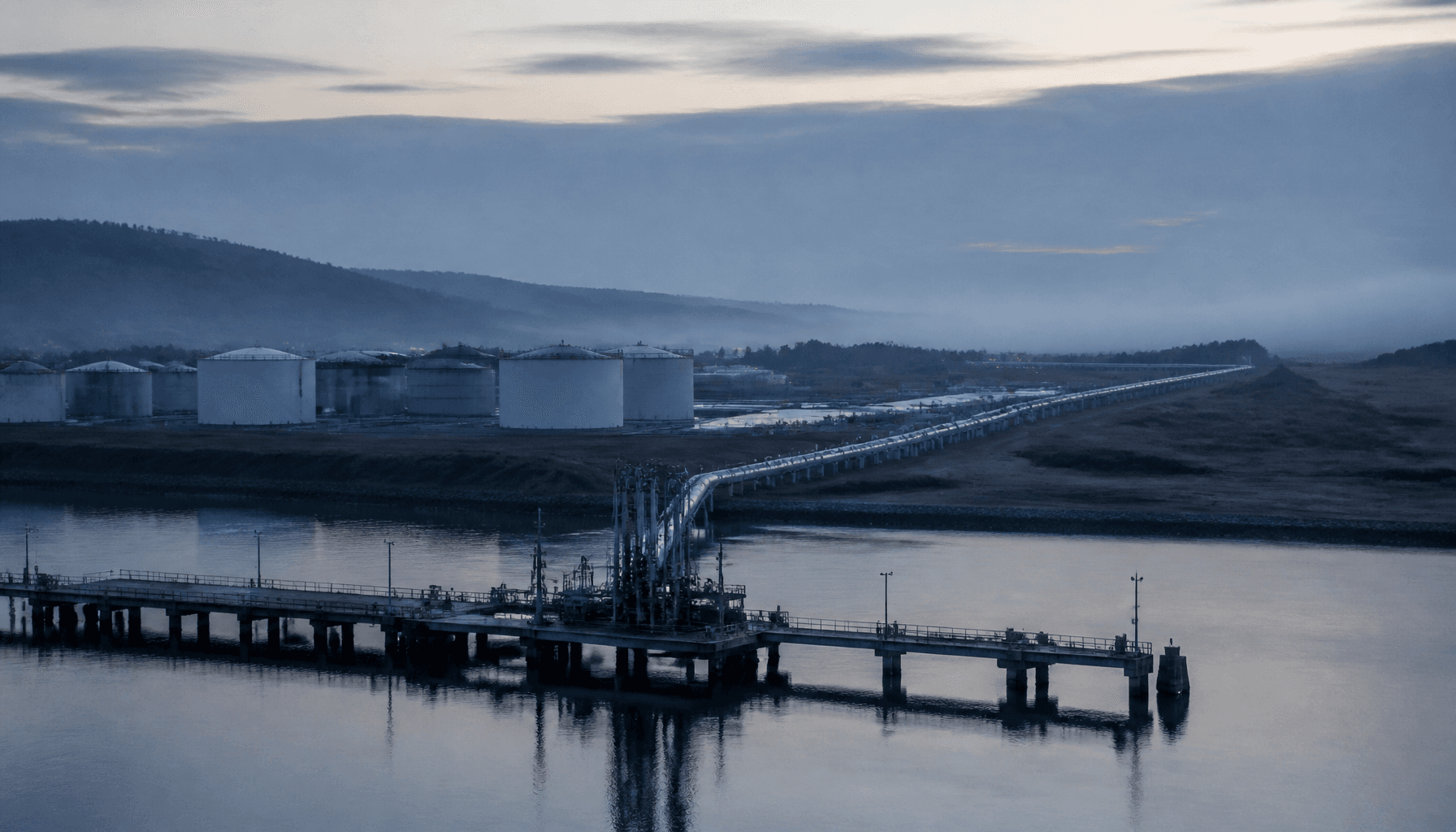
MBIE’s 6 September snapshot shows 51.7 days of petrol cover on paper. Only 34.5 of those days sit onshore. Eight of nine ships still float outside the EEZ, and sequential Hormuz then Red Sea stress is already priced into $3-plus petrol.
Economists expect New Zealand's June 2026 quarter GDP growth to slow to between 0.1 percent and 0.2 percent when Stats NZ releases the figures on 17 September. That would mark a sharp step down from the seasonally adjusted 0.8 percent rise recorded in the March 2026 quarter.
The Reserve Bank of New Zealand's September Monetary Policy Statement judged growth was “likely around zero” in the June quarter. Treasury's Budget Economic and Fiscal Update 2026 central path, as summarised by ASB, put June growth near 0.2 percent after 0.4 percent in March.
Elevated oil prices are the main identified drag. Brent crude last-day futures recently traded near US$104.61, with a 52-week range of about US$58.72 to US$126.10, according to Yahoo Finance data. Conflict affecting tanker traffic through the Strait of Hormuz from late February 2026 drove the surge from levels near US$60–65 earlier in the year.
New Zealand imports essentially all refined fuel. The local cost combines crude, refining and shipping margins, and the NZD/USD rate, recently around 0.58. Auckland regular unleaded averages remained near $3.05 a litre in mid-September, with some member pricing lower, well above mid-2025 norms near $2.60–$2.70.
What the official data already show
Stats NZ's June quarter retail trade survey recorded seasonally adjusted sales volumes down 0.5 percent even as values rose 0.9 percent. Households paid more for less volume, especially fuel.
Business price indexes for the same quarter showed input PPI up 2.9 percent and farm expenses up 3.8 percent. Annual CPI inflation rose to 4.1 percent in the June quarter, with fuel the dominant driver, the Reserve Bank said.
The Monetary Policy Committee raised the official cash rate 25 basis points to 2.75 percent on 2 September.
“Higher fuel prices have pushed inflation up to 4.1% in the June quarter, and this has put pressure on household budgets and business costs. It has also slowed the economic recovery.” — Paul Conway, Chief Economist, Reserve Bank of New Zealand
In its May Monetary Policy Statement, the Reserve Bank assumed June-quarter GDP growth of 0.0 percent and estimated the Middle East conflict shock would cut June GDP by about 0.6 percentage points relative to a no-conflict baseline. It also cut its 2026 annual growth assumption by 0.9 percentage points versus February.
Prior rebound and peer comparison
The oil hit interrupted a recovery already under way. Seasonally adjusted chain-volume GDP rose 0.8 percent in March 2026, 0.5 percent in December 2025 and 0.9 percent in September 2025, after contractions including −1.2 percent in September 2024 and −0.7 percent in June 2025, Stats NZ data show.
Quarterly GDP growth, chain volume (seasonally adjusted)
The oil shock is expected to interrupt a recovery that had gathered pace through late 2025 and early 2026.
Source: Stats NZ
Australia's June quarter GDP still rose 0.4 percent (2.1 percent through the year). The Australian Bureau of Statistics and Treasurer Jim Chalmers noted weaker fuel consumption, reduced travel and a build-up of fuel inventories, but private demand and mining exports delivered positive growth.
New Zealand's smaller, more oil-import-dependent economy and weaker starting momentum make a near-zero or low-positive June print more plausible than Australia's outcome.
Offsetting signals into September
Manufacturing has continued to expand. The BNZ–BusinessNZ Performance of Manufacturing Index printed 53.1 in August, the 14th consecutive expansion month. The three-month average was 55.8, the highest since mid-2021. BusinessNZ noted respondents still cite cost-of-living pressures and the Middle East conflict as restraints, while new orders stayed in expansion.
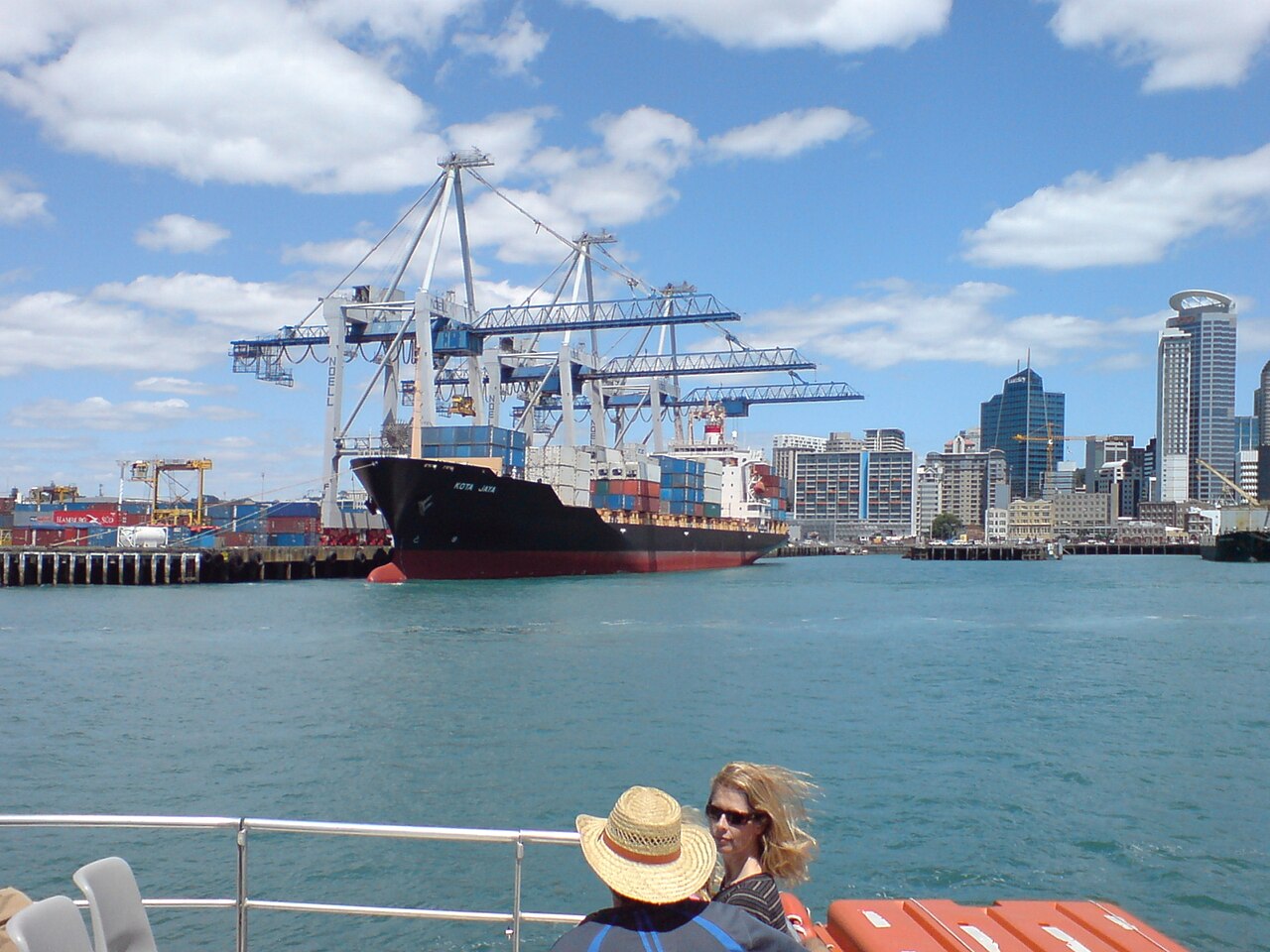
Stats NZ international trade data for the June quarter showed goods and services exports at $32.5 billion and imports at $32.4 billion, both higher than a year earlier. Primary exports and services have been carrying activity; construction remained a drag in the March accounts.
Trade has been a bright spot even as the oil shock weighs on growth: Stats NZ recorded June quarter exports of $32.5 billion and imports of $32.4 billion, both higher than a year earlier.
Fuel security is not the binding constraint on current data. Research drawing on FuelClock.nz stock figures around mid-September put petrol, diesel and jet days of cover near or above Minimum Stockholding Obligation thresholds, with overall risk assessed as low and inbound product tankers confirmed. The binding channel for GDP is price and real income, not empty tanks.
Policy track and next prints
Treasury's BEFU 2026 marked 2025/26 real GDP growth down to 1.2 percent and 2026/27 to 2.3 percent. It forecast the unemployment rate near 5.5 percent in the June 2026 quarter and estimated higher fuel prices added about 1 percentage point to headline annual CPI, peaking near 4.0 percent in the central forecast. Nominal GDP for the year ending June 2026 was put at $452.2 billion.
The Pre-election Economic and Fiscal Update is due on 29 September, refreshing the fiscal and economic track ahead of the November election.
The Reserve Bank's September Statement said growth was estimated to have resumed in the September 2026 quarter as oil prices partially eased and export prices stayed resilient. Markets and the MPC are managing inflation still above the 1–3 percent band alongside a recovery interrupted rather than reversed.
A soft June GDP print would quantify the trough of a terms-of-trade and real-income shock. Attention then shifts to how fast inflation returns toward 2 percent — the Bank's path points to late 2027 for the midpoint — and whether further OCR moves are needed after the lift to 2.75 percent.