NZ Ranks Fourth Globally in Per-Capita Fuel Cost Rise
New Zealand faces the fourth-highest per-capita increase in fuel costs worldwide from the 2026 oil price shock, according to the Centre for Research on Energy and Clean Air.
The Reserve Bank of New Zealand's Monetary Policy Committee delivered a 4-3 surprise hold on the official cash rate at 2.75 per cent on 28 October 2026, defying near-universal expectations of a 25 basis point rise and triggering an immediate 1.3 per cent drop in the New Zealand dollar to 56.1 US cents.
The Reserve Bank of New Zealand's Monetary Policy Committee voted 4-3 on 28 October 2026 to hold the Official Cash Rate at 2.75%, defying market expectations of a 25 basis point hike to 3.00%. The decision underscores internal divisions on whether recent fuel-driven inflation pressures warrant immediate pre-emptive action or a pause to assess transmission of the July and September increases.
New Zealand faces the fourth-highest per-capita increase in fuel costs worldwide from the 2026 oil price shock, according to the Centre for Research on Energy and Clean Air.
The global oil price shock has added US$468 billion to worldwide fuel bills, according to the Centre for Research on Energy and Clean Air (CREA). The United States accounts for the largest share at US$160 billion.
New Zealand places fourth on a per-capita basis. Canada and Australia rank immediately ahead.
Diesel prices in New Zealand rose US55 cents per litre compared with pre-conflict levels. This places the country 10th globally on that measure.
Car dependence drives the squeeze
Westpac chief economist Kelly Eckhold linked the impact to high car ownership and limited public transport outside major cities. Fuel spending per person rose 27 percent year-on-year while volumes fell 12 percent.
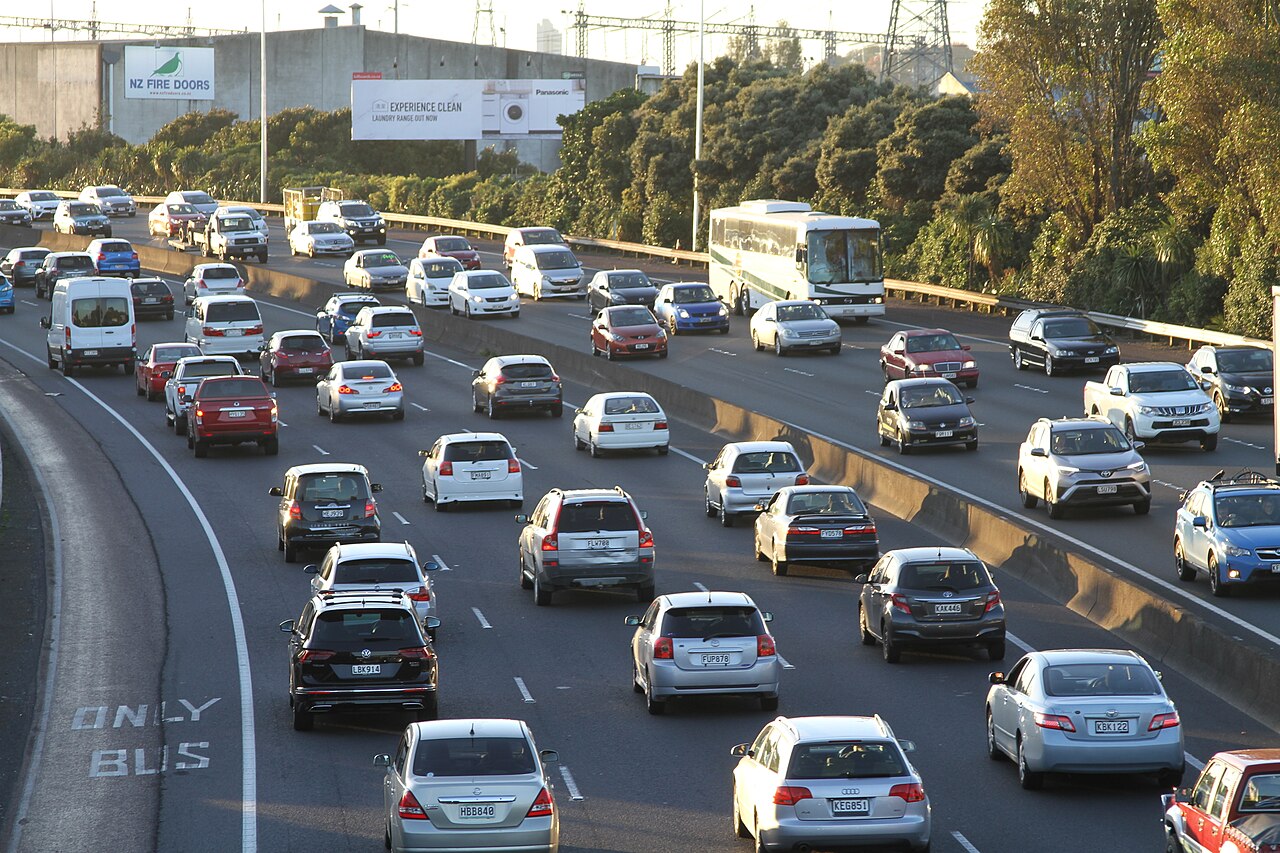
New Zealand's high car ownership and limited public transport outside the main cities help explain its outsized per-capita fuel cost exposure, economists say.
Public transport card spending increased 18 percent since February as households adjusted.
Simplicity chief economist Shamubeel Eaqub noted New Zealand's exposure stems from reliance on imported goods and high vehicle dependency.
At the pump today
Gaspy data showed average 91 petrol at $3.51 on 29 October 2026, up 3 percent over 28 days. Diesel averaged $3.17, up 1.46 percent.
The cheapest 91 petrol stood at $3.19 at Tasman Epsom.
I think it's self-evident that, you know, if we hadn't seen this Iran war and the big increase in oil and fuel prices, then the economy would probably be stronger for it.
Eckhold said the economy would likely be stronger without the Iran-linked price surge.
Policy implications
Higher transport costs squeeze household budgets and may slow economic momentum. Treasury and the Reserve Bank will monitor effects on inflation and GDP forecasts.
Market-based pricing in New Zealand moderated per-litre rises compared with subsidised regimes elsewhere.