NZ Transport Agency has cut normal Funding Assistance Rates for more than a dozen councils for the 2027–30 National Land Transport Programme. Rural and provincial authorities with long networks and small rating bases face stepped one-percentage-point annual reductions.
Tararua District Council’s FAR falls from 73% now to 72% next year, then 71% for two years. The council estimates a shortfall of more than $1.2 million over three years. Mayor Scot Gilmore put the ratepayer impact near $1.3 million and said the council faces tough choices between higher rates and less road investment.
Far North District Council’s rate drops from 71% to 70% for 2027–30. Councillor Anne Court estimated lost co-payments at about $1.4 million, subject to final checks. Buller District Council’s normal FAR steps from 75% to 74%, 73% and 72% across the three years, lifting local share from 25% to 28%.
NZTA says FARs were recalculated with updated affordability data on centreline kilometres, capital values, rating units and deprivation. Reductions are capped at one percentage point a year. Councils may raise concerns, but the national methodology may not change outcomes.
Under NZTA FAR policy, the NLTF co-invests at an average 53% of eligible local programmes. The mainland normal FAR floor is 51% and the ceiling is 75% (88% for the Chatham Islands). Rates are set under the Land Transport Management Act 2003 for each NLTP.
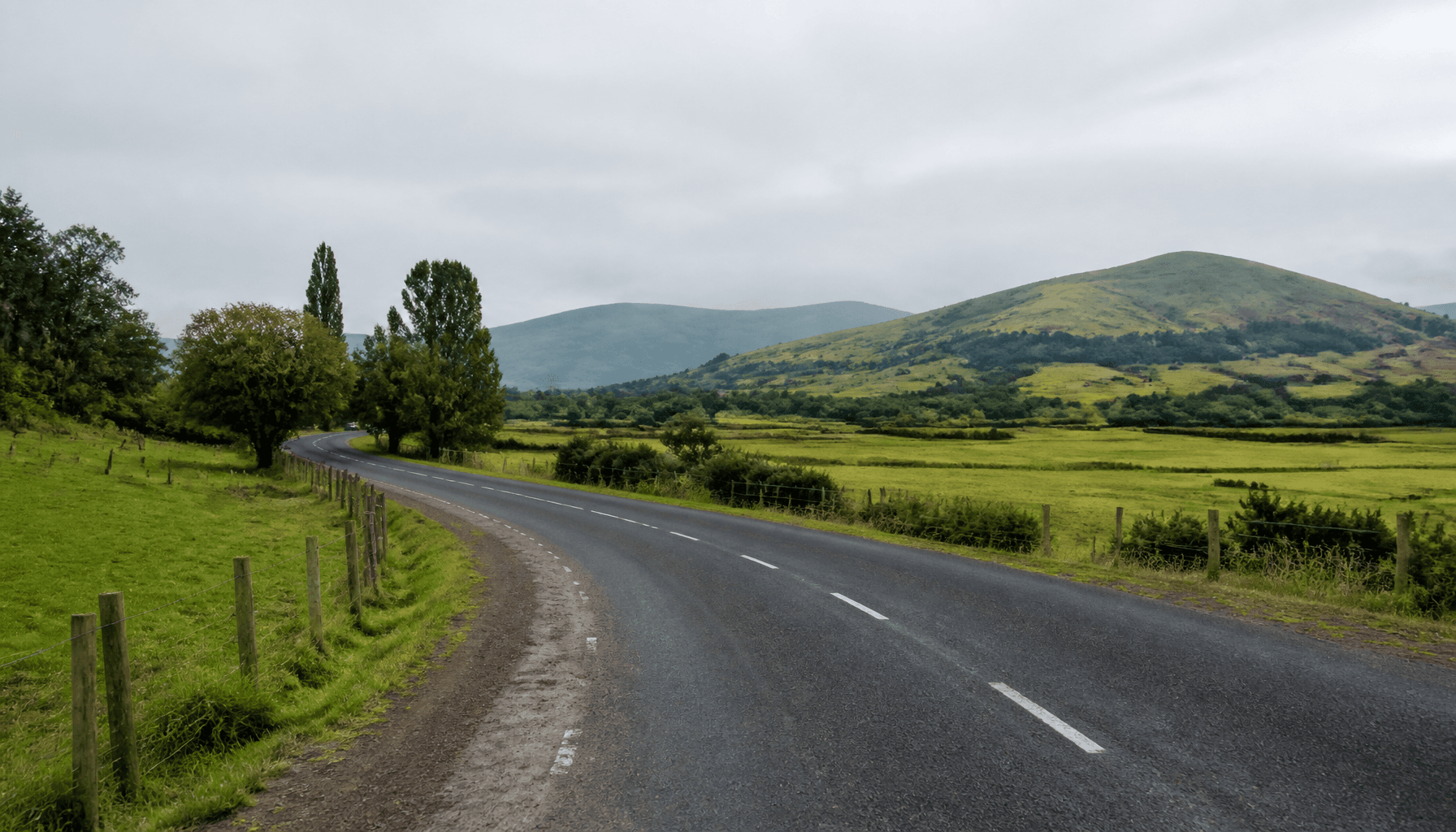
Tararua maintains nearly 2,000 km of local roads for about 19,050 residents. Far North holds the North Island’s largest local network, with 723 bridges and 28,000 culverts and only 11 ratepayers per kilometre, Court said. Transport is Tararua’s highest-cost activity and relies heavily on NZTA co-funding.
The FAR refresh lands inside a tighter National Land Transport Fund. Transport Minister Chris Bishop’s 13 August 2026 ministerial statement said GPS 2024’s roughly $8 billion of Crown grants and loans will expire. FED and RUC revenue growth is slow, and prior programme debt must be repaid.
Bishop stated that over 2027/28–2036/37, NLTF revenue is likely enough only for continuous programmes, critical resilience, debt service and committed projects. New improvements will need savings, reprioritisation, higher user charges or fresh Crown money. Crown share of the NLTP rose from about 3% in 2018–21 to about 39% in 2024–27. The government wants a stronger user-pays balance.
Rates capping tightens the local side. Local Government Minister Simon Watts’ legislation sets an initial 2–4% target range for annual rates increases. Councils must have regard to it from 1 July 2027 when preparing Long-Term Plans. Full compliance applies from 1 July 2029, with limited exemptions.
Every FAR point lost on a multi-tens-of-millions maintenance programme is a pure local-share increase. That either presses rates paths or cuts levels of service. Sector voices had warned rates caps would push councils to seek higher Crown FAR shares. The September recalculation moves the other way for some high-FAR rural authorities.
Special Purpose Roads show both relief and direction. NZTA is disestablishing the 100% SPR category after a 2014 board decision, extended to June 2027. Karamea retains 100% FAR for eligible work through 2027–30 while ownership is reviewed. Cape Palliser secured 95% rather than full local share; South Wairarapa had modelled up to a 4% rates spike and a funding hole of up to $35 million over a decade if SPR status fully lapsed.
Buller Mayor Chris Russell welcomed the Karamea decision.
This gives Karamea and Buller certainty about funding for this important route through to 2030.
Russell also said retaining 100% funding means Buller ratepayers will not meet the normal local-share contribution for eligible SPR work in the period. Buller chief executive Simon Pickford said the normal FAR change still raises the council’s share of other eligible spend.
The actual financial impact will depend on the size and makeup of our transport programme and what is approved for NZTA funding, so it is too early to put a single dollar value on that change.
South Wairarapa Mayor Fran Wilde called the Cape Palliser 95% decision an “early Christmas present” for residents, ratepayers and the council. Emergency works from 2026 storms remain 100% funded, NZTA advised.
NZTA frames the normal-FAR refresh as a nationally consistent affordability score, not a cut to the overall envelope. Affected mayors experience a real dollar transfer onto thin rural rate bases. When Tararua’s FAR earlier rose to 73% from about 69%, holding ratepayer spend steady unlocked about $8 million extra NZTA money for maintenance and renewals, council material showed. The reverse arithmetic now applies.
Budget 2026 still put $400 million contingency toward state-highway resilience packages. Continuous local-road co-funding is the residual claim on a constrained fund. NZTA intends a broader FAR policy review ahead of the 2030–33 NLTP.
Until NZTA publishes the full 2027–30 FAR table, the national dollar shift remains incomplete. Councils must lock local-share assumptions into Activity Management Plans and 2027 LTPs now. The pre-2030–33 FAR review is the next pressure point for Crown–local cost-share rebalancing on the networks that carry first- and last-mile export freight.