Economic News
Subscribe →
HomeMonetary PolicyFiscalTradeRegulationBankingEconomic DataAbout
Vol. 02 · New Zealand
FRIDAY 22/05/2026
Iss. 2026 / 21
Economic News

Balanced. Independent. Informed.

Sections

  • Monetary Policy
  • Fiscal
  • Trade
  • Regulation
  • Banking
  • Economic Data

Subscribe

  • Free email
  • Email preferences
  • RSS feed

Company

  • About
  • Privacy policy

About

Economic News is an independent New Zealand publication covering monetary policy, markets, the public finances and the wider economy.

© 2026 Economic News Limited
.

Reddell Blanches at Peters' BNZ Nationalisation Threat — Economic News
Live
Retail Volumes Rise 0.9 Percent in March QuarterBudget 2026 Documents Available 28 May as Government Tightens SpendingHormuz Closure Turns Supply Chain Disruptions Into Multi-Year Cost Burden for New Zealand ExportersRetail Volumes Rise 0.9 Percent in March QuarterBudget 2026 Documents Available 28 May as Government Tightens SpendingHormuz Closure Turns Supply Chain Disruptions Into Multi-Year Cost Burden for New Zealand ExportersRetail Volumes Rise 0.9 Percent in March QuarterBudget 2026 Documents Available 28 May as Government Tightens SpendingHormuz Closure Turns Supply Chain Disruptions Into Multi-Year Cost Burden for New Zealand ExportersRetail Volumes Rise 0.9 Percent in March QuarterBudget 2026 Documents Available 28 May as Government Tightens SpendingHormuz Closure Turns Supply Chain Disruptions Into Multi-Year Cost Burden for New Zealand ExportersRetail Volumes Rise 0.9 Percent in March QuarterBudget 2026 Documents Available 28 May as Government Tightens SpendingHormuz Closure Turns Supply Chain Disruptions Into Multi-Year Cost Burden for New Zealand ExportersRetail Volumes Rise 0.9 Percent in March QuarterBudget 2026 Documents Available 28 May as Government Tightens SpendingHormuz Closure Turns Supply Chain Disruptions Into Multi-Year Cost Burden for New Zealand ExportersRetail Volumes Rise 0.9 Percent in March QuarterBudget 2026 Documents Available 28 May as Government Tightens SpendingHormuz Closure Turns Supply Chain Disruptions Into Multi-Year Cost Burden for New Zealand ExportersRetail Volumes Rise 0.9 Percent in March QuarterBudget 2026 Documents Available 28 May as Government Tightens SpendingHormuz Closure Turns Supply Chain Disruptions Into Multi-Year Cost Burden for New Zealand ExportersRetail Volumes Rise 0.9 Percent in March QuarterBudget 2026 Documents Available 28 May as Government Tightens SpendingHormuz Closure Turns Supply Chain Disruptions Into Multi-Year Cost Burden for New Zealand ExportersRetail Volumes Rise 0.9 Percent in March QuarterBudget 2026 Documents Available 28 May as Government Tightens SpendingHormuz Closure Turns Supply Chain Disruptions Into Multi-Year Cost Burden for New Zealand ExportersRetail Volumes Rise 0.9 Percent in March QuarterBudget 2026 Documents Available 28 May as Government Tightens SpendingHormuz Closure Turns Supply Chain Disruptions Into Multi-Year Cost Burden for New Zealand ExportersRetail Volumes Rise 0.9 Percent in March QuarterBudget 2026 Documents Available 28 May as Government Tightens SpendingHormuz Closure Turns Supply Chain Disruptions Into Multi-Year Cost Burden for New Zealand ExportersRetail Volumes Rise 0.9 Percent in March QuarterBudget 2026 Documents Available 28 May as Government Tightens SpendingHormuz Closure Turns Supply Chain Disruptions Into Multi-Year Cost Burden for New Zealand ExportersRetail Volumes Rise 0.9 Percent in March QuarterBudget 2026 Documents Available 28 May as Government Tightens SpendingHormuz Closure Turns Supply Chain Disruptions Into Multi-Year Cost Burden for New Zealand ExportersRetail Volumes Rise 0.9 Percent in March QuarterBudget 2026 Documents Available 28 May as Government Tightens SpendingHormuz Closure Turns Supply Chain Disruptions Into Multi-Year Cost Burden for New Zealand ExportersRetail Volumes Rise 0.9 Percent in March QuarterBudget 2026 Documents Available 28 May as Government Tightens SpendingHormuz Closure Turns Supply Chain Disruptions Into Multi-Year Cost Burden for New Zealand ExportersRetail Volumes Rise 0.9 Percent in March QuarterBudget 2026 Documents Available 28 May as Government Tightens SpendingHormuz Closure Turns Supply Chain Disruptions Into Multi-Year Cost Burden for New Zealand ExportersRetail Volumes Rise 0.9 Percent in March QuarterBudget 2026 Documents Available 28 May as Government Tightens SpendingHormuz Closure Turns Supply Chain Disruptions Into Multi-Year Cost Burden for New Zealand ExportersRetail Volumes Rise 0.9 Percent in March QuarterBudget 2026 Documents Available 28 May as Government Tightens SpendingHormuz Closure Turns Supply Chain Disruptions Into Multi-Year Cost Burden for New Zealand ExportersRetail Volumes Rise 0.9 Percent in March QuarterBudget 2026 Documents Available 28 May as Government Tightens SpendingHormuz Closure Turns Supply Chain Disruptions Into Multi-Year Cost Burden for New Zealand ExportersRetail Volumes Rise 0.9 Percent in March QuarterBudget 2026 Documents Available 28 May as Government Tightens SpendingHormuz Closure Turns Supply Chain Disruptions Into Multi-Year Cost Burden for New Zealand ExportersRetail Volumes Rise 0.9 Percent in March QuarterBudget 2026 Documents Available 28 May as Government Tightens SpendingHormuz Closure Turns Supply Chain Disruptions Into Multi-Year Cost Burden for New Zealand ExportersRetail Volumes Rise 0.9 Percent in March QuarterBudget 2026 Documents Available 28 May as Government Tightens SpendingHormuz Closure Turns Supply Chain Disruptions Into Multi-Year Cost Burden for New Zealand ExportersRetail Volumes Rise 0.9 Percent in March QuarterBudget 2026 Documents Available 28 May as Government Tightens SpendingHormuz Closure Turns Supply Chain Disruptions Into Multi-Year Cost Burden for New Zealand Exporters
BANKING OWNERSHIP · ELECTION 2026

Reddell Blanches at Peters' BNZ Nationalisation Threat

Independent economist Michael Reddell said he blanched at NZ First leader Winston Peters' threat to buy back the Bank of New Zealand from National Australia Bank and merge it with Kiwibank.

Banking Desk18/05/2026 · 14:02 NZT6 min read
BankingBreaking
BD
Banking Desk
Banking Correspondent · 18/05/2026 · 14:02 NZT · 6 min read
The Beehive executive wing of New Zealand's Parliament in Wellington under overcast midday light

At a glance

Peters' BNZ buy-back pledge sets up a $7.5–30bn valuation clash between NZ First's sovereignty pitch and National's fiscal realism ahead of November's election.

Key stats

Peters' buy-back estimate
$7.5bn+
minimum
Luxon's borrowing figure
$30bn
disputed
BNZ sold to NAB (1992)
$1.48bn
NZD
BNZ H1 2026 net profit
$494m
statutory
ANZ NZ H1 2026 net profit
$1.238bn
cash NPAT
Aus-owned bank market share
~85%
NZ system
Kiwibank mortgage share
~8%
of market
"Reddell called the nationalisation threat a pretty bad signal to foreign investors."Michael Reddell, independent economist

Sources cited

  • Winston Peters proposes buying back BNZ from National Australia Bank — interest.co.nz
  • BNZ profit falls 38% despite lending growth — NZ Adviser
  • ANZ NZ posts $1.2 billion half-year profit — 1News
  • Opinion polling for the 2026 New Zealand general election — Wikipedia

Free

New Zealand's economy, straight to your inbox.

By subscribing you accept our privacy policy.

More from banking

AI illustration of a New Zealand small business separated from a bank building by a wide gap, representing the SME lending shortfall identified by the OECD
Regulation · 21/05/2026 · 06:11 NZT

OECD Flags Lending Gap Holding Back New Zealand SMEs

New Zealand banks channel only 18 per cent of lending to businesses excluding agriculture, well below the 30 per cent share recorded in Australia at the same point.

Regulation Desk·21/05/2026 · 06:11 NZT·6 min
A lone customer stands outside a generic New Zealand bank branch on a quiet Wellington street, pohutukawa trees lining the damp footpath under an overcast sky
Banking · 20/05/2026 · 08:40 NZT

No Bank Meets Consumer NZ Satisfaction Threshold for First Time in Decade

No New Zealand bank has met Consumer NZ's threshold for its People's Choice award for customer satisfaction in 2026, the first time this has occurred in ten years.

Banking Desk·20/05/2026 · 08:40 NZT·7 min
A glass savings jar with a kiwi motif, partially emptied of coins, beside a one-way boarding pass, set against a New Zealand harbour backdrop
Economic Data · 19/05/2026 · 08:40 NZT

KiwiSaver Withdrawals Expose Emigration Strain and Cost-of-Living Failures

KiwiSaver recorded a 514 percent jump in partial withdrawals tied to permanent emigration in the first quarter of 2026, with roughly 2,000 people taking $77 million according to Financial Services Council figures. This surge, alongside a record $296.7 million in early hardship and first-home withdrawals in March 2026, signals that New Zealand's retirement scheme is doubling as an emergency exit…

Analysis Desk·19/05/2026 · 08:40 NZT·22 min

All banking →

Independent economist Michael Reddell said he blanched at NZ First leader Winston Peters' threat to buy back the Bank of New Zealand from National Australia Bank and merge it with Kiwibank.

Peters made the announcement on 17 May 2026. He said the new entity would keep banking profits in New Zealand and pressure the Australian-owned majors on margins. Peters described the proposal as "not nationalisation – this is taking back our country."

Peters put the likely cost at $7.5 billion upwards. He warned that NAB would face the prospect of nationalisation if it refused to sell.

Peters claimed the merged bank would be commercially run — not operated as a government department — and would provide the scale needed to compete more aggressively with the major Australian-owned banks, particularly for agriculture, SMEs and infrastructure.

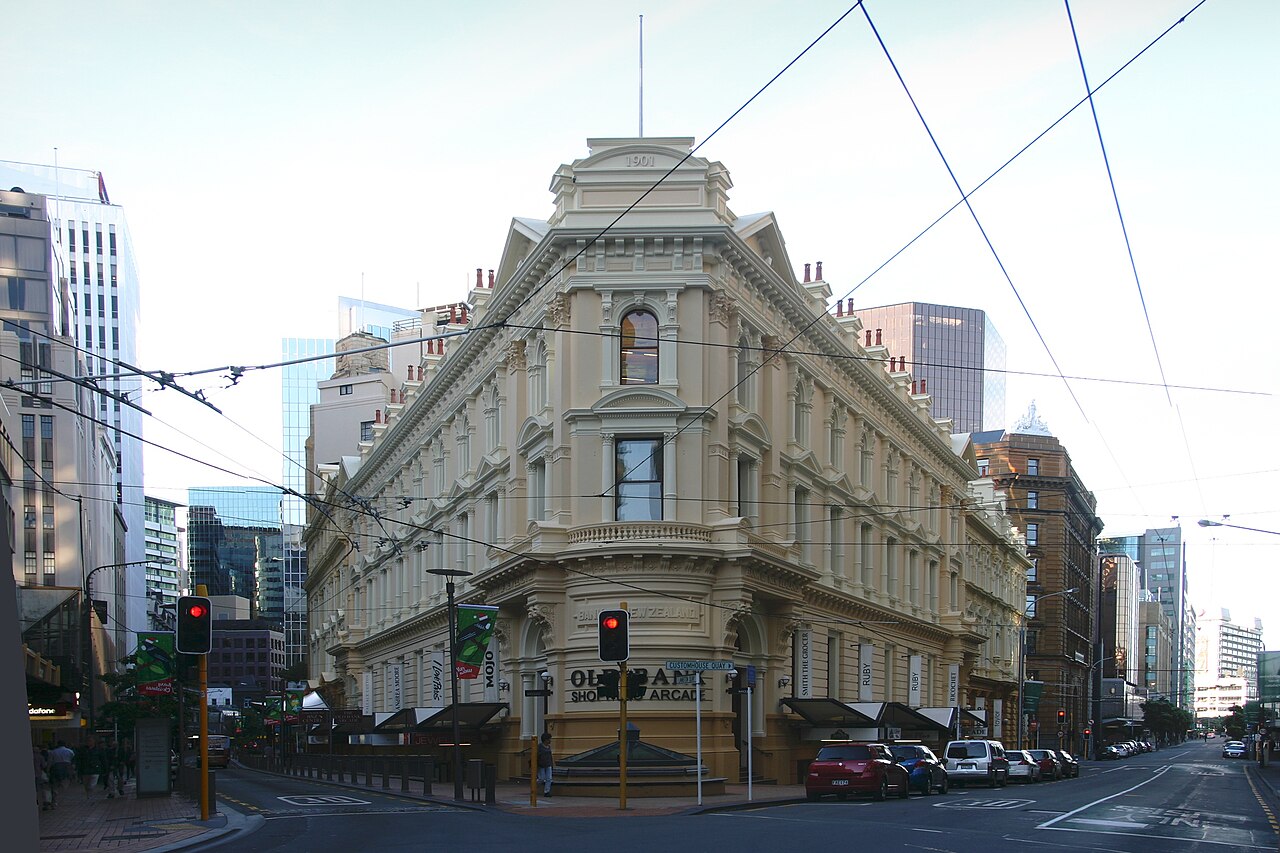
The BNZ building on Lambton Quay, Wellington. NZ First leader Winston Peters has proposed buying the bank back from National Australia Bank for at least $7.5 billion. Photo: Tony Wills · CC BY-SA 3.0 · Wikimedia Commons

Reddell's Investor Warning

Reddell called the nationalisation threat "a pretty bad signal" to foreign investors. He noted that Australia is not in recession.

"Reddell called the nationalisation threat a pretty bad signal to foreign investors." — Michael Reddell, independent economist

NAB would likely demand an over-the-top price, Reddell said. He asked: "What's in it for the taxpayer?"

Reddell argued that merging two of the five biggest banks would reduce competition. He said state-owned banks risk political imperatives driving bad credit decisions without the market discipline that listed ownership provides.

Reddell recommended making it easier for foreign firms to set up new banks in New Zealand rather than government re-entering banking — a direct challenge to what he characterised as a throwback to the 1970s.

Luxon Rejects the Plan

Prime Minister Christopher Luxon dismissed the idea outright. He said it would require "$30 billion of more borrowing that we don't have."

Luxon said the proposal sounds like a Labour or Greens policy.

Historical Sale and Current Profits

The government sold BNZ to NAB in 1992 for NZ$1.48 billion. The bank has since delivered substantial dividends to its Australian parent.

BNZ posted a statutory net profit of $494 million for the six months to 31 March 2026. ANZ New Zealand recorded a cash net profit after tax of $1.238 billion in the same period.

NZ Bank Half-Year Profits vs 1992 BNZ Sale Price
BNZ statutory profit is after one-off items; ANZ NZ figure is cash NPAT. The 1992 sale price is shown for historical reference only and is not a half-year profit figure.
Source: NZ Adviser / BNZ H1 2026 results; 1News / ANZ NZ H1 2026 results; interest.co.nz

Banking Sector Snapshot

Four Australian-owned banks — ANZ, ASB, BNZ and Westpac — control around 85% of the New Zealand banking system. Kiwibank holds just under 8% of the mortgage market and has around $43 billion in total assets.

The RBNZ May 2026 Financial Stability Report states the sector remains well placed with strong capital buffers and high deposit funding.

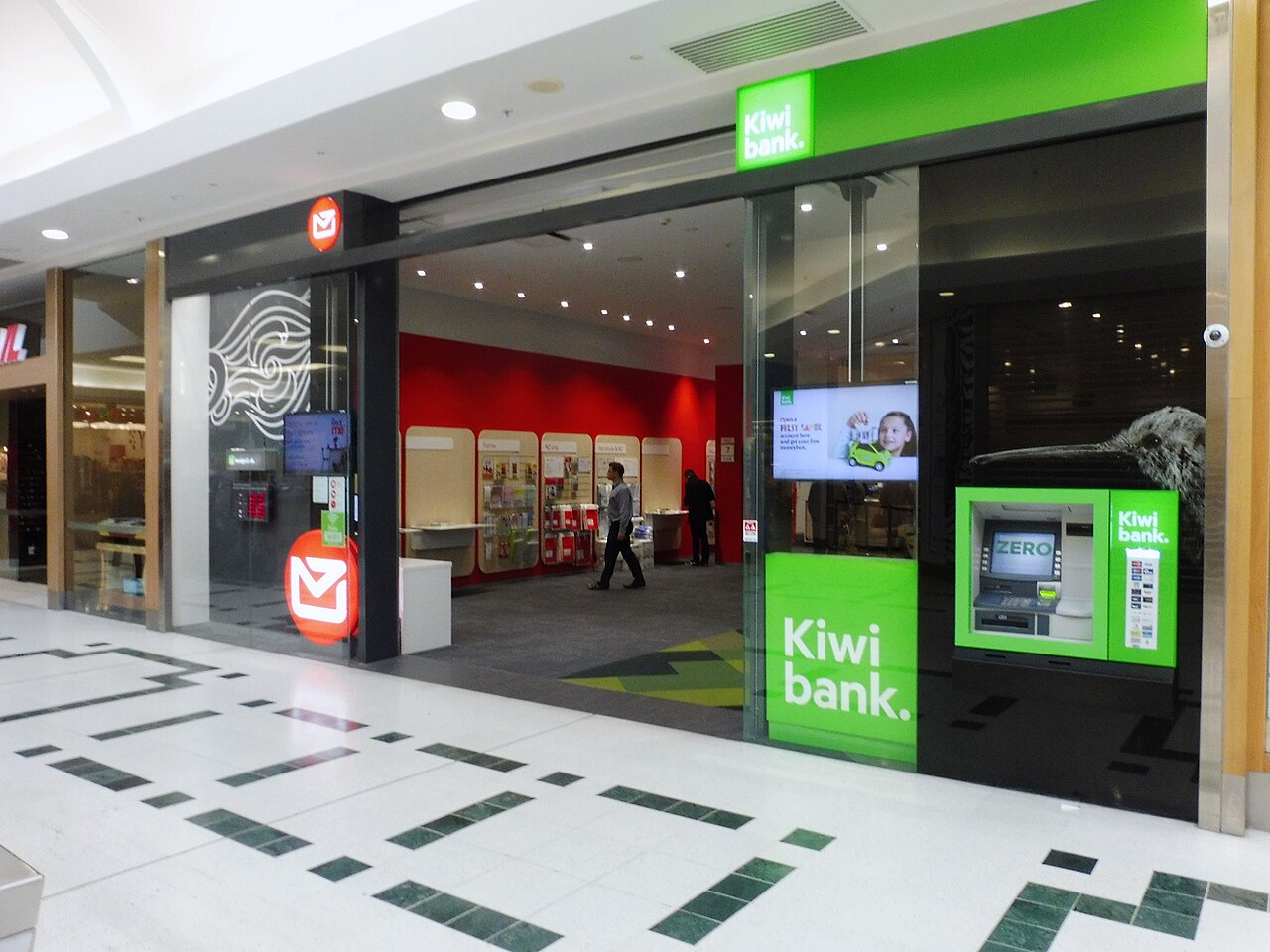
A Kiwibank branch in Christchurch. Peters' proposal would merge Kiwibank with a re-acquired BNZ to form a new 'National Bank of New Zealand', though critics warn this would reduce competition rather than increase it. Photo: Pear285 · CC BY-SA 4.0 · Wikimedia Commons

Election and FDI Risks

NZ First polls between 9.7% and 11.5%. The 2026 general election is set for 7 November.

Peters predicted coalition partners would cave in after the vote. Reddell prefers easing entry for new private foreign banks instead of state re-entry.

The proposal risks further damaging New Zealand's reputation with foreign investors at a time when the country seeks more capital inflows.

Taxpayers would bear the full cost of any overpayment and any future losses from politically driven lending.