Fifteen thousand three hundred New Zealand consumers now sit in formal hardship arrangements, up 800 in a month and 7.8 percent year on year, according to the Centrix October 2026 Credit Indicator report.
New Zealand's measured sector labour productivity rose 0.8 percent in the year ended March 2025. The gain followed a revised flat reading in 2024 and came amid declines in multifactor and capital productivity.
A study commissioned by the Green Party estimates that higher permanent emigration among young New Zealanders will reduce GDP by $76 billion over the next 40 years compared with pre-Covid rates.
New Zealand's seasonally adjusted unemployment rate reached 5.6 percent in the June 2026 quarter, the highest since September 2015.
Unemployment Rate at 11-Year High
New Zealand's seasonally adjusted unemployment rate reached 5.6 percent in the June 2026 quarter. This figure rose from 5.4 percent in the March 2026 quarter. Stats NZ reported 171,000 people unemployed.
The rate marks the highest level since September 2015, when it stood at 5.7 percent. Youth unemployment stands out in the data. The rate for 15- to 19-year-olds hit 25.3 percent in the same quarter.
Policy Change Takes Effect
A new parental income test for Jobseeker Support began on 2 November 2026. Most 18- and 19-year-olds without dependent children must show combined parental income at or below $67,225 before tax. They may also qualify through evidence of a parental support gap such as family breakdown or violence.
The Ministry of Social Development estimated in October 2025 that around 4,300 young people would lose eligibility. Work and Income administers the test with exceptions for specific support gaps.
Youth Labour Market Pressures
The youth unemployment rate far exceeds the overall figure. Underutilisation for 15- to 19-year-olds reached 53.8 percent in the year to June 2026. The NEET rate for 15- to 24-year-olds averaged 13.8 percent over the same period, the highest since records began in 2006.
NZIER described the situation as a perfect storm of cyclical weakness and structural shifts. Entry-level hiring for 15- to 19-year-olds fell 32 percent between June 2023 and June 2025.
Seasonally Adjusted Unemployment Rate
The rate has risen steadily to an 11-year high.
Source: Stats NZ
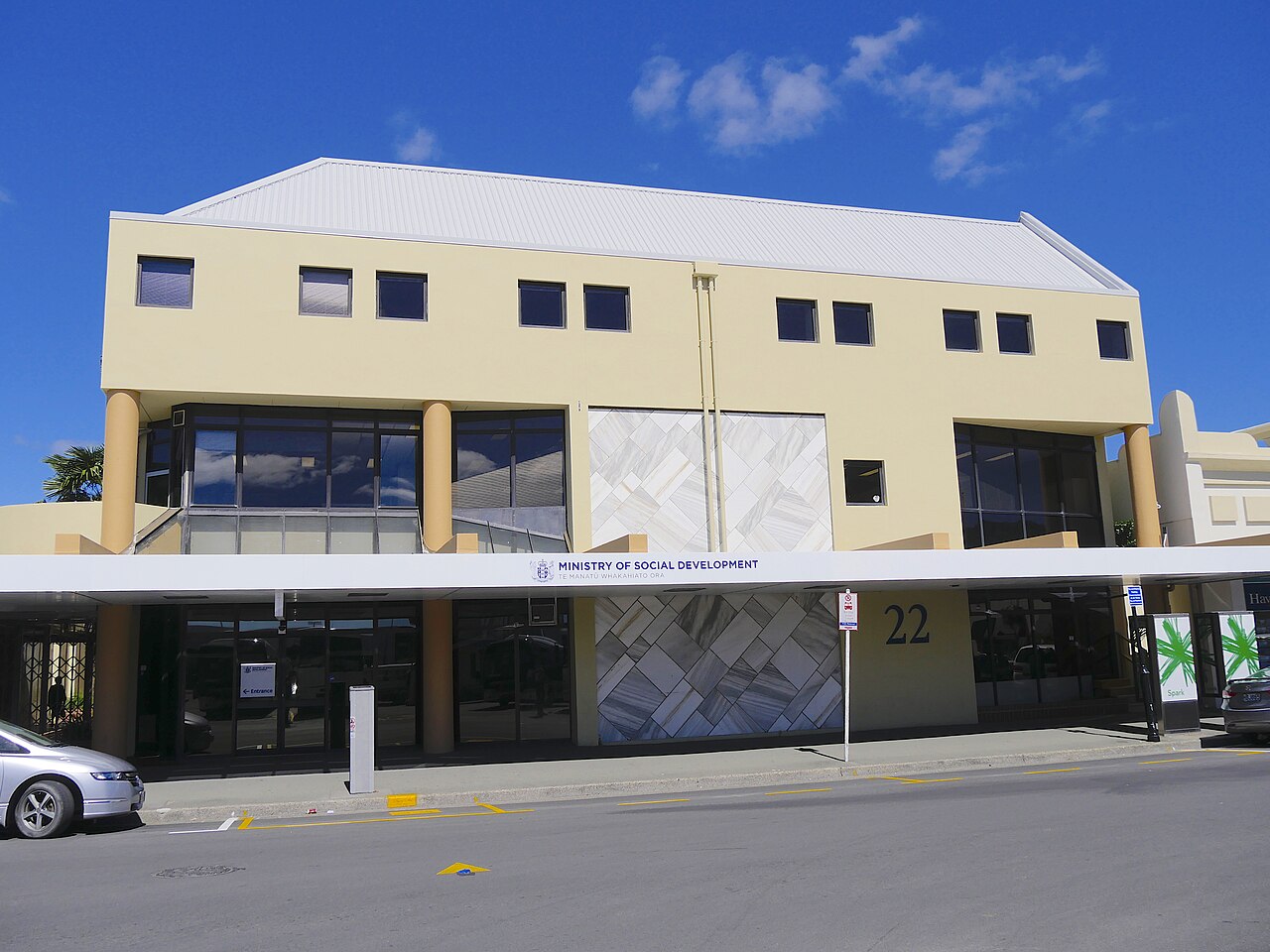
The Ministry of Social Development, which estimated 4,300 young people would lose Jobseeker eligibility under the new parental income test effective 2 November 2026.
Contrasting Income Thresholds
The $67,225 parental income cutoff sits well below thresholds for student allowances. Those cutoffs stand at $131,670 for students living at home and $141,451 for those living away from parents.
Social Development and Employment Minister Louise Upston stated the change reinforces expectations that young people not in employment, education or training should receive support from parents rather than taxpayers.
This legislation reinforces the expectation that young people who are not in employment, education or training should be financially supported by their parents, not by taxpayers through the welfare system.
Critics Question the Threshold
Beneficiary advocate Kay Brereton told Checkpoint the cut off point of $67,225 was outrageously low. She noted that at that parental income level, a family would still receive family tax credit for a 17-year-old.
When this was introduced, we thought they would at least be looking at the same income cutoffs as they do for student allowance.
Brereton raised concern about the thousands of students affected during summer holidays, saying they would have no benefit to fall back on and that some may have to pause study.
Economist Warnings on Long-Term Effects
Economist Shamubeel Eaqub estimated that long-term scarring effects on employment outcomes outweigh short-term fiscal savings by $156 million over 20 years. Broader well-being impacts could reach half a billion dollars.
RBNZ noted elevated youth unemployment and spare labour market capacity in its September 2026 Monetary Policy Statement. The central bank highlighted constraints on wage growth.
Broader Labour Market Context
Filled jobs rose 0.3 percent in September 2026 to 2.36 million. Annual growth reached 1.0 percent. Unemployment rates for Māori stood at 10.8 percent and for Pacific peoples at 11.6 percent in the June quarter.
The policy tests incentive structures at a time of structural decline in youth hiring. Families near the income threshold face added pressure during school-to-work transitions.