New Zealand's economy expanded 2.6 percent in the year to June 2026, the strongest annual pace since mid-2023, according to Stats NZ data. Yet households and domestic businesses continue to face high inflation, a soft labour market and weak house prices, Westpac NZ chief economist Kelly Eckhold said.
New Zealand's misery index has climbed to 9.5 per cent in November 2026, the highest reading in more than three years. The rise reflects a labour market that has weakened sharply while inflation, though still above the Reserve Bank target, has eased from earlier peaks.
New Zealand's unemployment rate climbed to 5.7 percent in the September 2026 quarter while the Reserve Bank held the Official Cash Rate at 2.75 percent in a 4-3 vote. These dual surprises point to a slower path for further OCR increases than many had expected.
New Zealand house prices have delivered zero real growth over the past decade. The Reserve Bank of New Zealand's decision to hold the official cash rate at 2.75 per cent continues to suppress demand while supply improvements and inflation matching nominal gains reshape the market.
New Zealand's economy expanded 2.6 percent in the year to June 2026, the strongest annual pace since mid-2023, according to Stats NZ data. Yet households and domestic businesses continue to face high inflation, a soft labour market and weak house prices, Westpac NZ chief economist Kelly Eckhold said.
The June quarter GDP rose 0.2 percent quarter-on-quarter and 2.6 percent year-on-year, marking the fourth consecutive quarter of positive growth. Annual average growth reached 1.7 percent. This follows contractions in several prior periods, including a 0.6 percent decline in the June 2025 quarter.
Westpac's latest overview highlights a clear two-speed dynamic. Export and commodity sectors show strength, while domestic-facing areas lag. The bank forecasts 2.8 percent growth in both 2027 and 2028.
The drivers
Merchandise export volumes are projected to rise more than 4 percent in 2026, with services exports, including tourism, up 9 percent. Elevated agricultural returns, strong global commodity demand and a competitive exchange rate support this performance. Expenditure GDP rose 0.4 percent in the June quarter, with export volumes contributing 3.3 percent.
Construction grew 2.7 percent in the quarter, the largest contributor, alongside gains in manufacturing and wholesaling. Public administration and safety rose 2.0 percent.
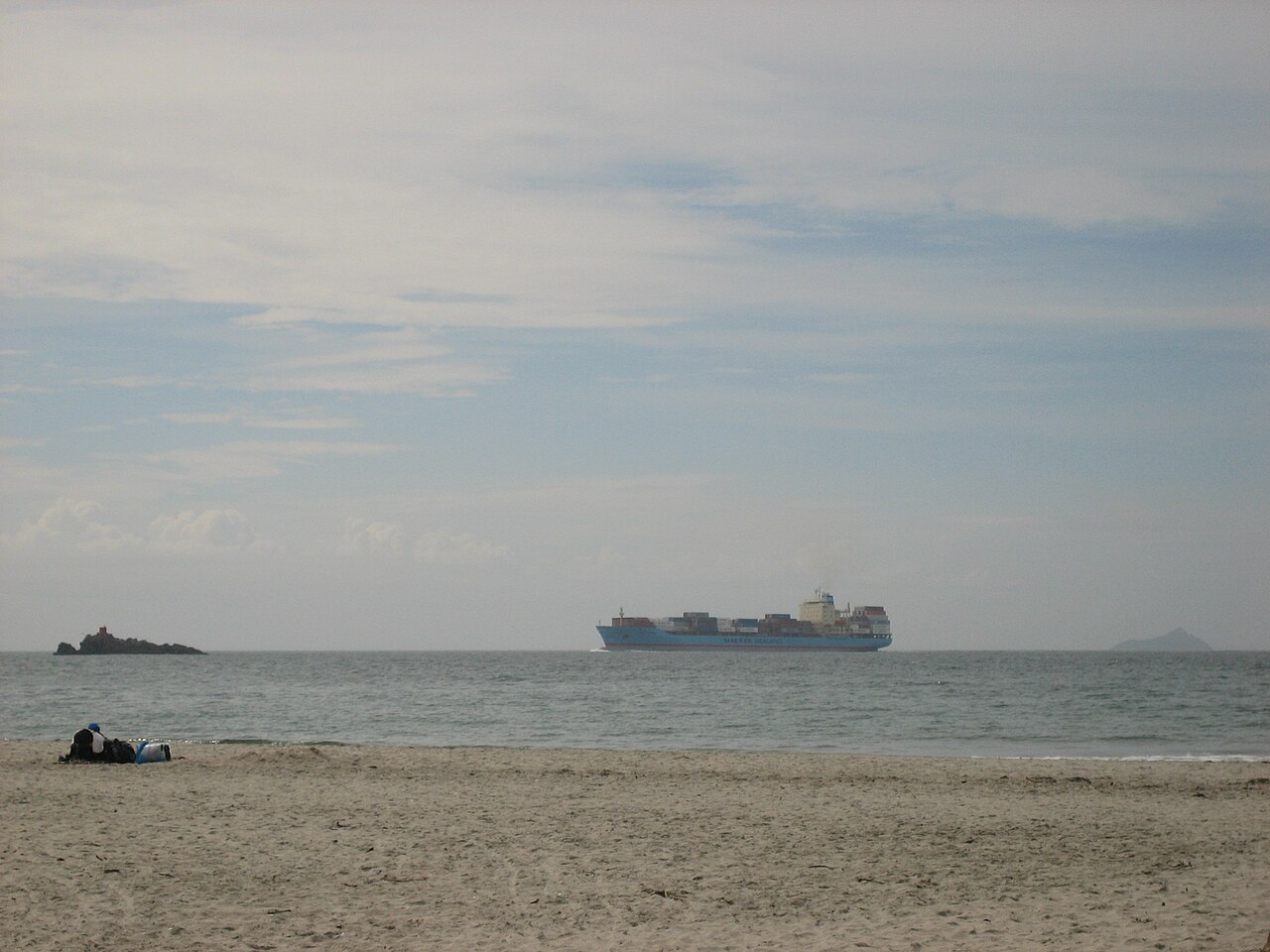
Export volumes through ports such as Tauranga are driving New Zealand's GDP growth, even as domestic demand stays weak.
Inflation remains the key constraint. CPI stood at 4.1 percent in the year to June 2026 and 3.7 percent to September 2026. Petrol prices rose 19.1 percent annually, pushing household living costs up 3.0 percent. Real wages have fallen for many households.
The labour market is soft, with unemployment at 5.7 percent in the September 2026 quarter. Westpac expects this rate to hold through 2026 before declining in mid-2027.
House prices fell through 2026, with only 1.75 percent growth forecast for 2027. This limits stimulus from housing-related sectors.
The trade-offs
Higher interest rates are necessary to address above-target inflation but weigh on domestic demand. The RBNZ held the OCR at 2.75 percent in October 2026 on a 4-3 vote, despite market pricing for a hike. Further increases are signalled.
Westpac forecasts the OCR reaching 4 percent in the second half of 2027, higher than the RBNZ's projected 3.25 percent peak. Other banks see peaks between 3.5 percent and 3.75 percent.
This path supports the exchange rate and curbs inflation but raises borrowing costs.
Average mortgage rates are expected to rise from around 4.8 percent to 5.4 percent.
Fiscal policy must complement monetary tightening. Government spending growth in public administration contributed to GDP but risks adding to inflationary pressures if not paired with spending restraint. Tax outturn data will reveal whether revenue supports or strains the outlook.
Second-order effects
Resource reallocation from housing to export sectors could boost long-term productivity. Construction and related trades face near-term pressure as activity shifts.
Subdued house prices offer a potential entry point for first-home buyers able to service higher-rate mortgages. Those reliant on equity or high loan-to-value ratios face continued challenges.
South Island regions may recover faster due to agri and tourism strength, creating geographic divergence from metro areas.
Bank net interest margins could face pressure if competition intensifies amid higher rates.
Historical context
The current split echoes the post-GFC period, when commodity booms masked domestic weakness for years. The RBNZ held rates lower then amid sub-2 percent inflation. Today's 3.7-4.1 percent inflation removes that flexibility.
NZ unemployment has risen more sharply than Australia's since 2023, coinciding with fewer RBNZ hikes compared to the RBA.
The counter-argument
Some argue the RBNZ's 3.25 percent peak forecast suffices if inflation moderates faster. Survey expectations show two-year inflation at 2.36 percent. However, persistent core pressures and fuel-driven headline rates suggest Westpac's higher path better aligns with returning inflation sustainably to the 2 percent midpoint.
Open questions
December 2026 Monetary Policy Statement forecasts will clarify the OCR path. Treasury tax outturns and September quarter data will test broadening recovery. Q4 GDP and labour market prints will show if export strength flows to employment and spending.
Next steps for households and policy
New Zealand households should prepare for higher mortgage costs through 2027 while monitoring regional export earnings for income gains. Policymakers must prioritise fiscal discipline to avoid compounding inflation, allowing market signals to guide resource reallocation without added regulatory burdens. The December MPS on 9 December will set the near-term tone.