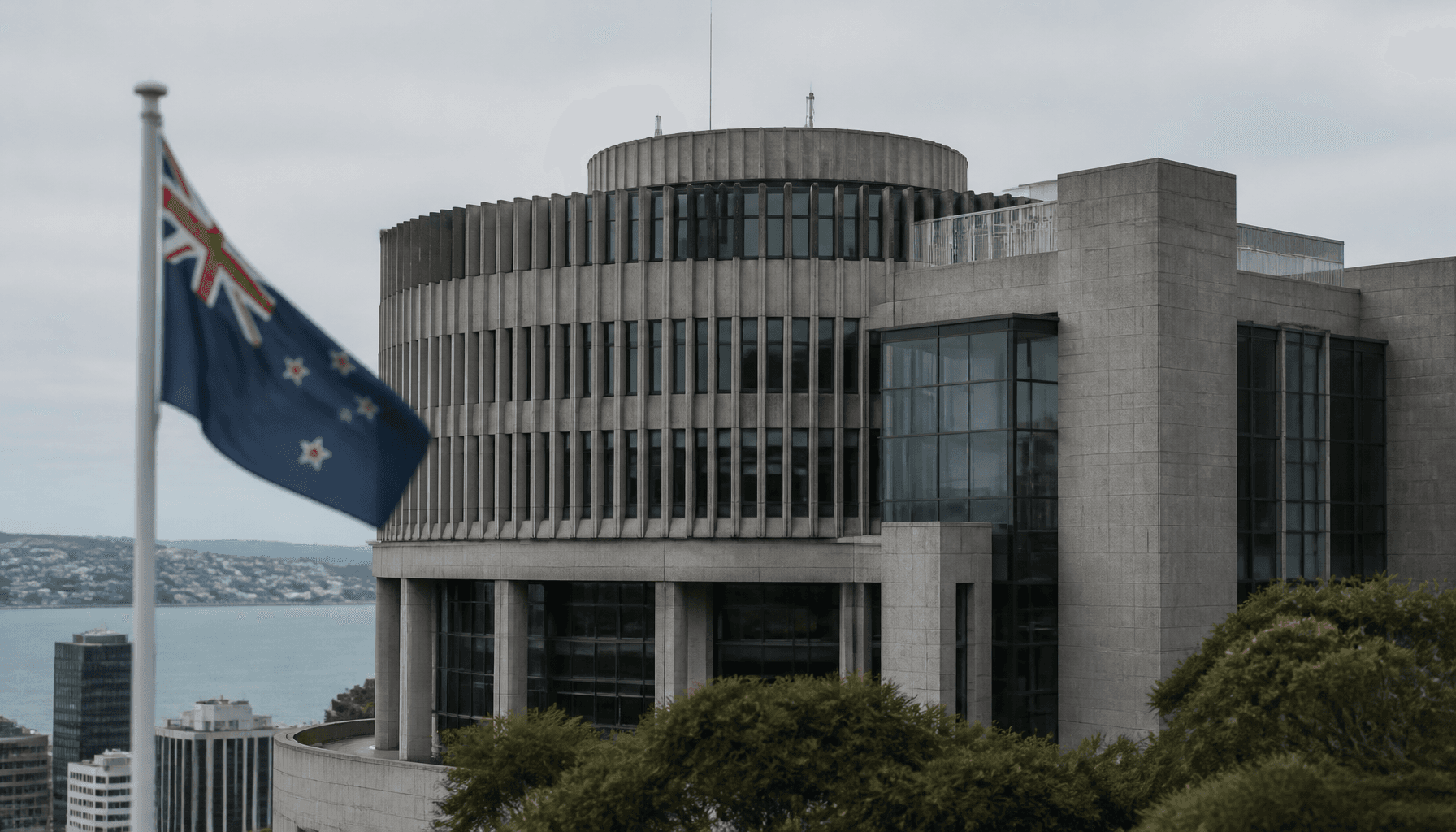

The Reserve Bank of New Zealand's Monetary Policy Committee voted 4-3 on 28 October 2026 to hold the Official Cash Rate at 2.75 percent, defying market expectations of a further hike and leaving the tightening cycle conditional on incoming data.
The 4-3 Pause
The Reserve Bank of New Zealand Monetary Policy Committee delivered a narrow 4-3 decision to hold the Official Cash Rate steady at 2.75 percent. Governor Anna Breman joined external members Carl Hansen, Prasanna Gai and Rebecca Williams in favour of the pause. Officials Paul Conway, Hayley Gourley and Karen Silk voted for a 25 basis point increase.
Markets had priced in a 95 percent probability of a hike according to bank forecasts. The split marks the first such division in recent cycles and signals internal debate over the balance between near-term fuel-driven inflation risks and a fragile domestic recovery.
The Committee stated that tighter policy is likely to be required but remains conditional on the economic outlook. This phrasing keeps December's Monetary Policy Statement as the next key decision point.
Inflation Trajectory and Fuel Shock
Annual CPI inflation eased to 3.7 percent in the September 2026 quarter from 4.1 percent in June, according to Stats NZ. The print came in below expectations. Petrol prices rose 19.1 percent over the year and contributed 17.5 percentage points to the headline figure.
Core measures, however, have moved to the upper end of the 1-3 percent target band. Price increases have become more broad-based. RBNZ forecasts annual inflation rebounding to 4.4 percent in the December quarter, driven largely by fuel futures.
The NZ dollar trade-weighted index has fallen around 3 percent since the September MPS. A weaker currency adds imported inflation pressure at a time when global energy markets remain volatile following Middle East disruptions.
Brent crude surged above US$113 per barrel in October. New Zealand, as a net fuel importer, faces direct pass-through to transport and production costs.

Domestic Recovery Remains Uneven
GDP grew 0.2 percent in the June 2026 quarter, slowing from 0.9 percent in the March quarter. Annual growth stood at 1.7 percent, according to Stats NZ.
Export volumes rose 3.3 percent in the quarter. Meat products led with a 10.3 percent increase. Manufacturing and goods exports have provided the main support while household spending and investment lag.
Treasury's Fortnightly Economic Update of 29 October 2026 notes subdued domestic conditions offset by manufacturing and export resilience. Early signs of residential investment recovery appear in Auckland, but provincial regions face higher fuel and logistics costs.
Wage growth remains subdued and medium-term inflation expectations stable. This limits second-round effects so far but does not eliminate the risk if fuel prices stay elevated.
The Trade-Offs in the MPC Vote
The majority prioritised assessing the impact of the July and September tightenings before further action. They placed weight on downside risks to global growth and the possibility that the recovery could lose momentum.
The minority emphasised resilient core inflation, broad-based price pressures and the economy's capacity to absorb additional tightening. They argued for pre-emptive action to prevent inflation expectations from drifting higher.
Both sides agree the medium-term target remains the 2 percent midpoint. The disagreement centres on timing and the weight given to temporary fuel effects versus more persistent domestic factors.
Fixed mortgage rates are unlikely to ease materially. Banks price swaps off the expected future OCR path. Forecasts from major institutions still point toward 3.5 percent by early 2027 in some scenarios. Borrowers locking in now may face limited relief.
Savers continue to receive low returns on deposits. Prolonged low rates compress household income for those reliant on interest earnings.
Fiscal and Sector Implications
Higher inflation erodes the real value of nominal government spending programmes while temporarily boosting nominal tax receipts. Persistent above-target inflation could compress fiscal space if the RBNZ is forced to hike further into 2027. Crown debt servicing costs on floating-rate portions would rise.
Elevated government charges contributed to non-tradables inflation in the September quarter. This highlights how administrative price increases add to living costs without corresponding productivity gains.
Transport-dependent sectors including agriculture, logistics and construction face input cost pressure. Petrol averaged around $3.51-$3.55 per litre and diesel $3.17-$3.18 in late October. Weak consumer demand limits the ability to pass costs through, squeezing margins and volumes.
Historical Context from 2022
The 2022 global energy shock saw fuel-driven inflation prompt aggressive RBNZ tightening. That cycle ultimately proved excessive relative to domestically generated pressures and contributed to the subsequent easing back toward neutral by mid-2026.
The current episode shares the imported energy shock layered on a domestic economy that is not running hot. The majority's caution draws from that precedent. The minority's argument mirrors the 2021-22 experience where delayed action required sharper catch-up tightening later.
Australia's RBA executed multiple conditional pauses in 2023 before resuming hikes. New Zealand's September CPI of 3.7 percent sits below Australia's August reading of 4.0 percent. The comparison is imperfect given different energy exposure and labour market structures.
Second-Order Effects to Watch
A weaker NZ dollar supports exporters in manufacturing and primary sectors but raises imported inflation. This uneven transmission benefits some regions and industries while pressuring others.
If the December MPS reveals continued broad-based inflation, markets will reprice the path higher. Wholesale rates would stay elevated, keeping borrowing costs sticky for households and businesses.
Regional divergence could widen. Auckland shows early residential investment signs while fuel-intensive provincial economies face slower recovery. This pattern risks uneven employment and income growth across the country.
Counter-Argument and Evidence
Some analysts argue the pause risks allowing fuel-driven pressures to entrench. Core inflation already sits at the top of the band and price rises have broadened. Waiting until December could require larger adjustments if second-round effects materialise.
The majority's position rests on subdued wage growth, stable medium-term expectations and the observed smaller-than-expected pass-through so far. Weak domestic demand continues to limit firms' ability to pass on costs. The data window to December will test whether these conditions hold.
The split decision underscores that the path remains data-dependent rather than pre-committed.
Open Questions Ahead of December
The next full Monetary Policy Statement on 9 December will incorporate updated inflation, GDP and labour market data. Markets will watch whether the fuel rebound materialises as forecast and whether domestic demand shows any acceleration.
Global developments remain a wildcard. Further oil price spikes or a sharper deterioration in trading partner growth could shift the balance either way.
The RBNZ's focus stays on returning inflation to the 2 percent midpoint over the medium term while avoiding unnecessary instability.